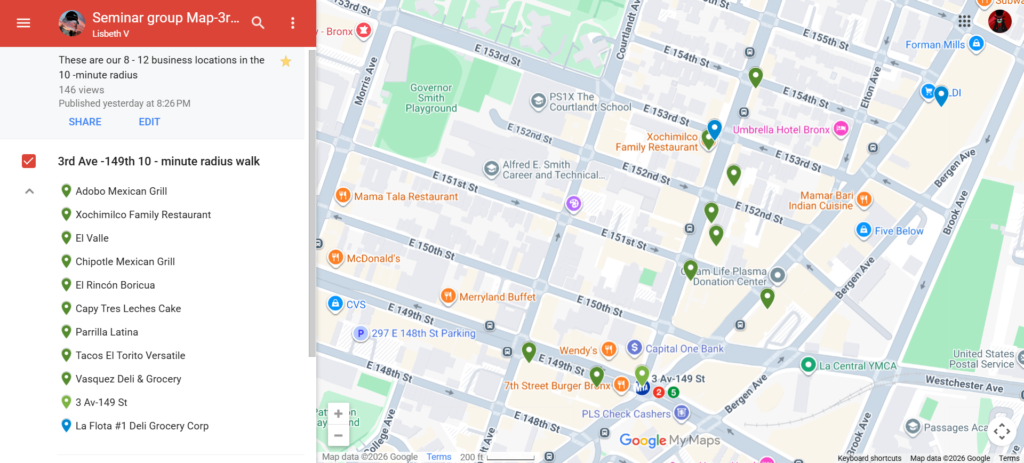
• Here is our Annotated Google Maps + Sites we mapped with descriptions!

    Annotated Google Maps – https://www.google.com/maps/d/edit?mid=1WYvx4lTdYqdJm71QQ-5NuHfT061D47Y&usp=sharing

    Step 1E: Foodscape Counts Table

    Food System Map
    5 minute radius from (subway station, line): 2 and 5 
    Researchers (initials): B.R & L.V
    CategoryCount
    Food Service (prepared meals or beverages)
    Restaurants – full service5
    Restaurants – limited service3
    Bar / Coffee / Beverage2
    Street Vendors – service (permitted)1
    Street Vendors – service (informal)1
    Total Service Establishments10
    Food Retail (food products or ingredients)
    Big Box Retailer
    Supermarket1
    Market (small or specialty retailer)3
    Deli / Bodega6
    Street Vendors – retail (permitted)1
    Street Vendors – retail (informal)7
    Total Retail Establishments11
    Additional Indicators
    Chain establishments (all types)
    Independent establishments (all types)1
    Street Vendors (total)7
    Total Food Businesses Identified8

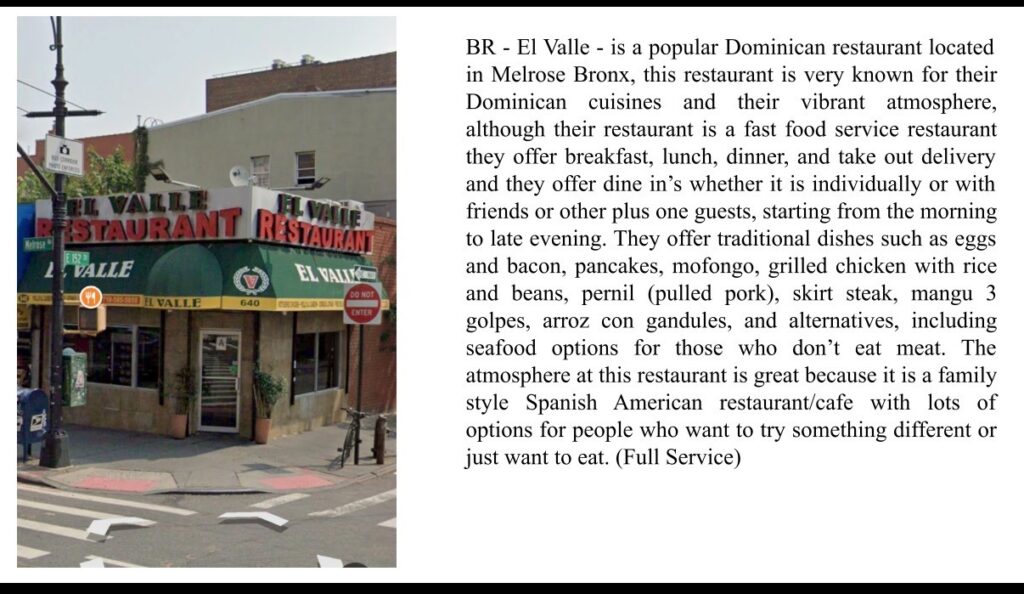
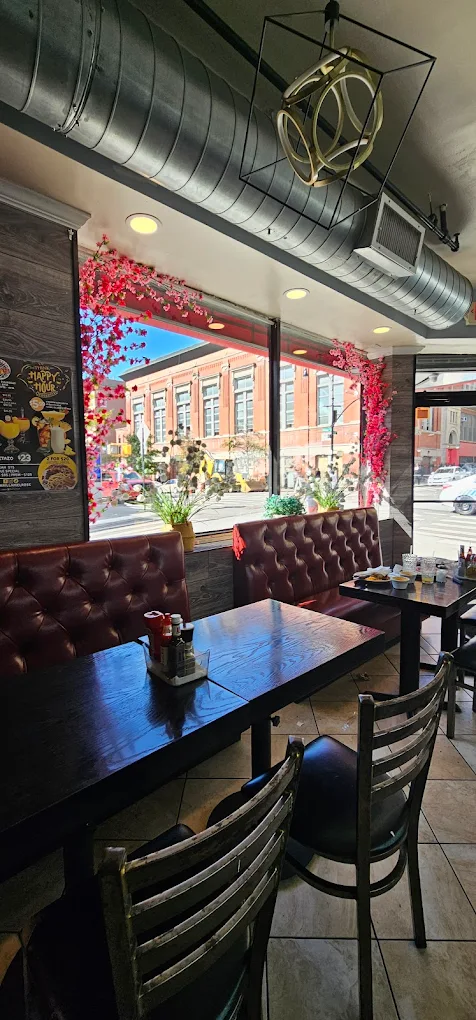
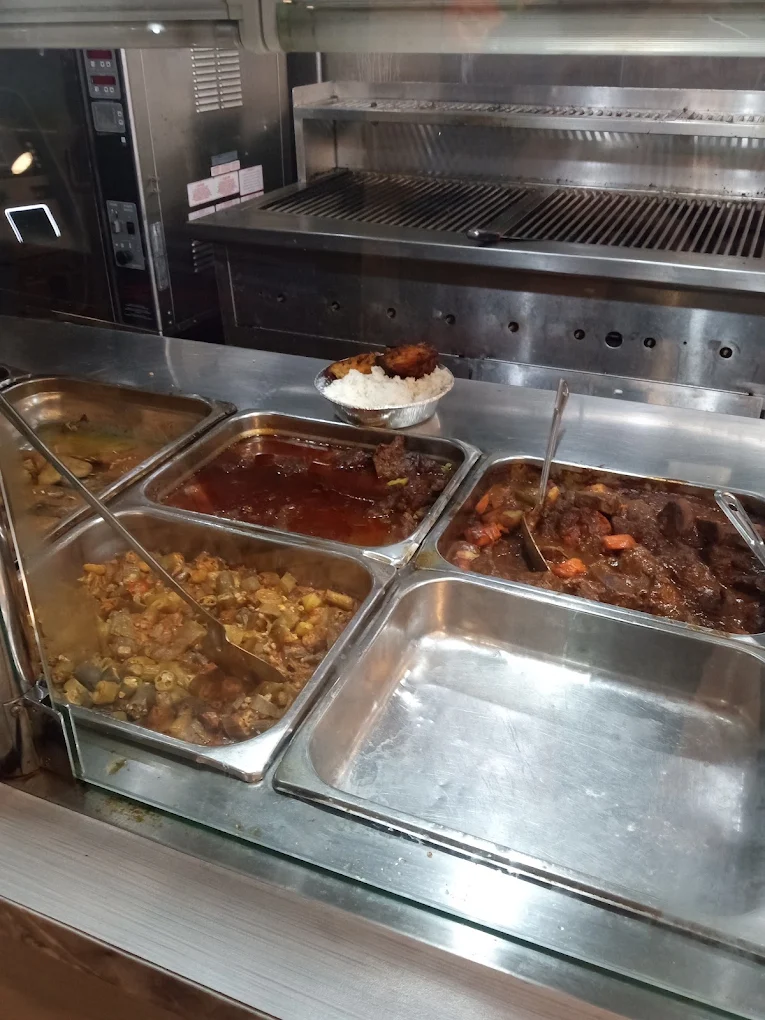
    Site 1 – El Valle

    El Valle Restaurant – All five star ratings in the Bronx

    Site 2 – Parilla Latina
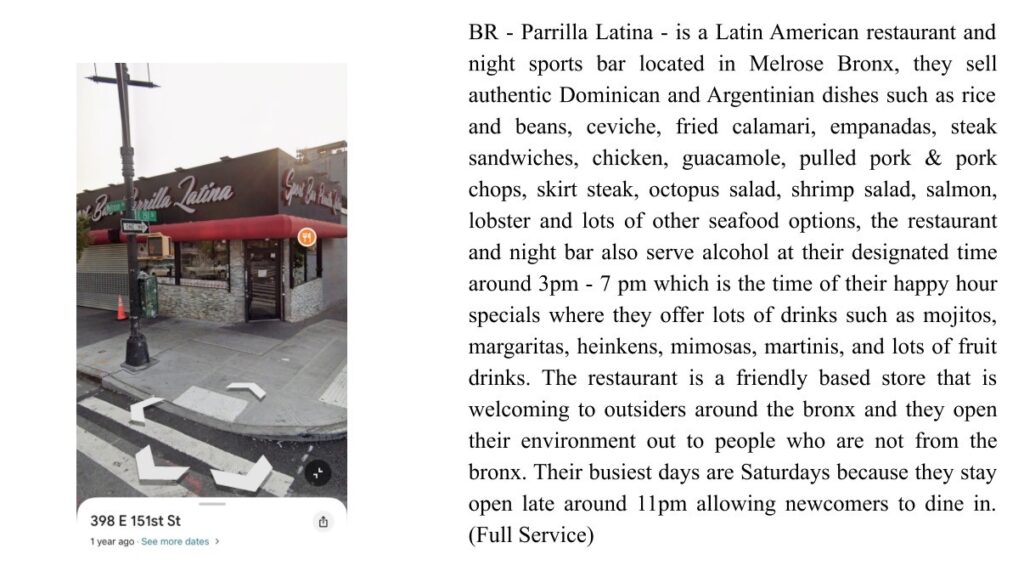
    Sports Bar Parilla Latina – All five star ratings in the Bronx

    Site 3 – Adobo Mexican Grill
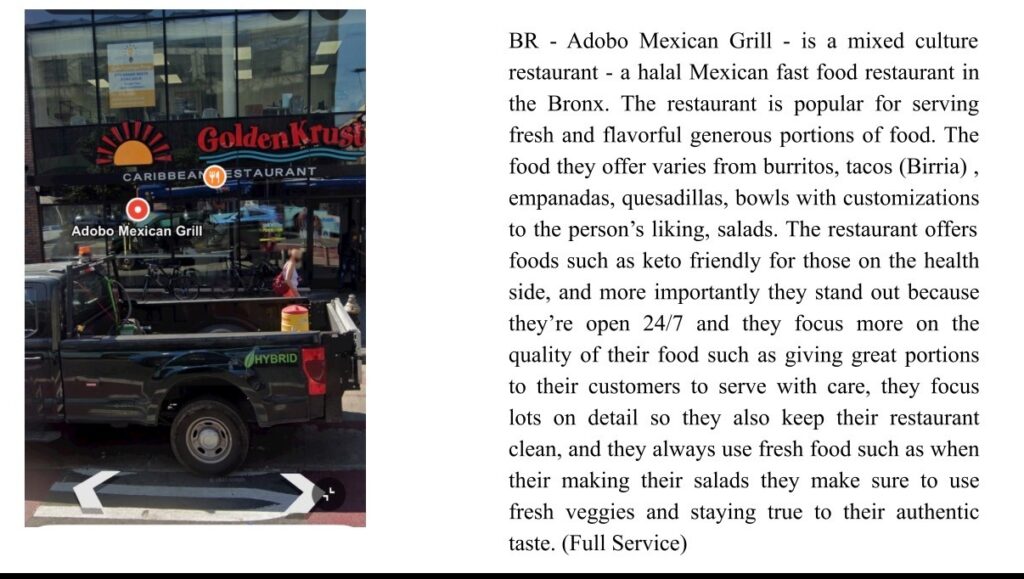
    Adobo Mexican Grill – mixed reviews but most are good ratings from 3-5 stars

    Site 4 – Chipotle – Franchised Branch
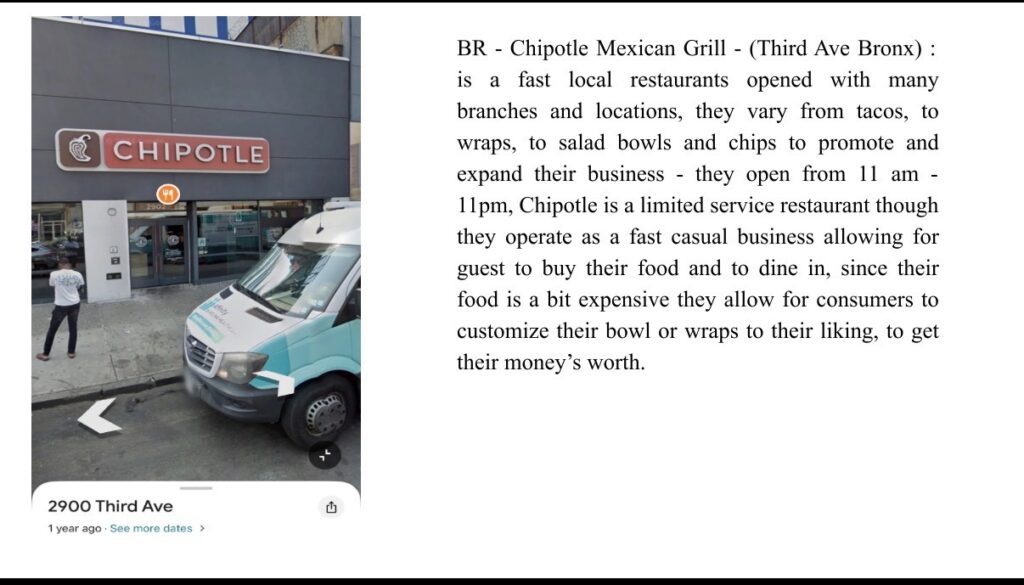
    Chipotle is mixed review franchised service that is limited for guest – depending on the location they allow for guest to stay in eat – based on the restaurant in our location (Melrose Bronx) – they allow guest to stay and it but they limit the seating for an hour because seats are varied based on the person or if groups of guests come in and want to eat.

    Site 5 – Vasquez Deli Grocery
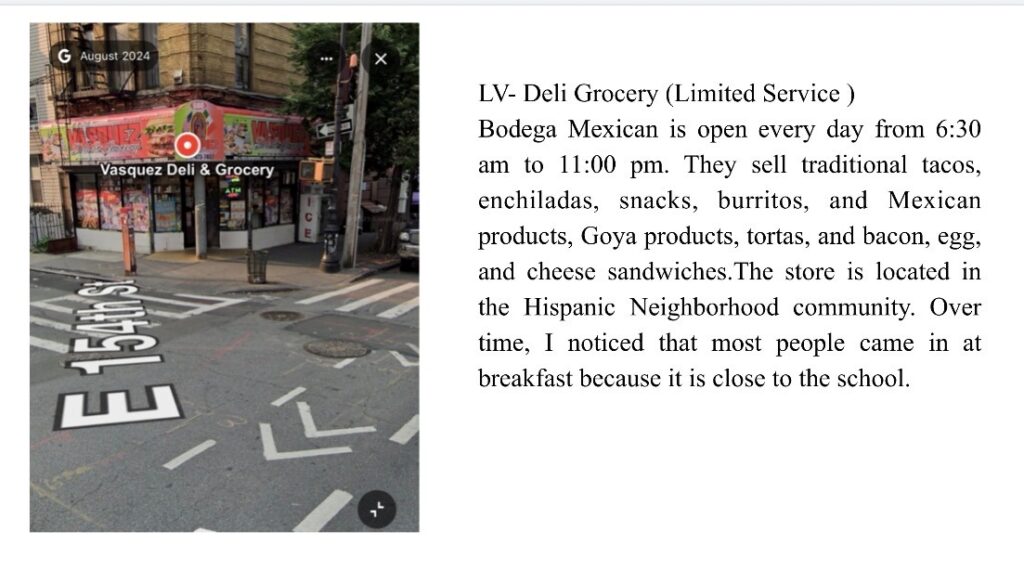
    Store is located on E 154th St on upper west Melrose – it is also a limited local service

    Site 6 – La Flota #1 Deli Grocery Corp
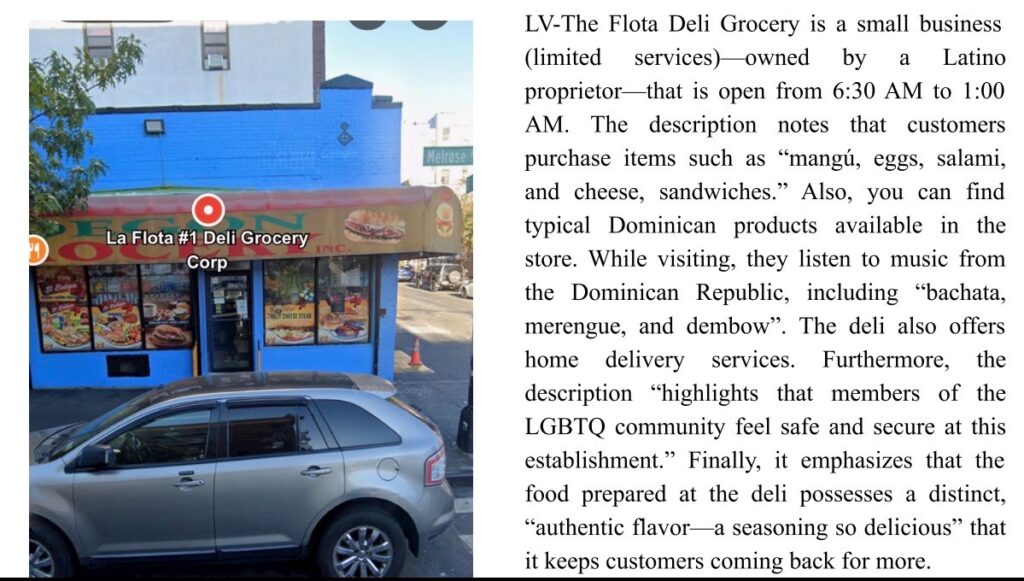
    A limited local – passed down traditional operation – before La Flota Deli the business was originally called – El Bodegon Deli Grocery in late 2014 and was the service was bright yellow and lime green

    Street Vendors around 3rd Ave + Melrose
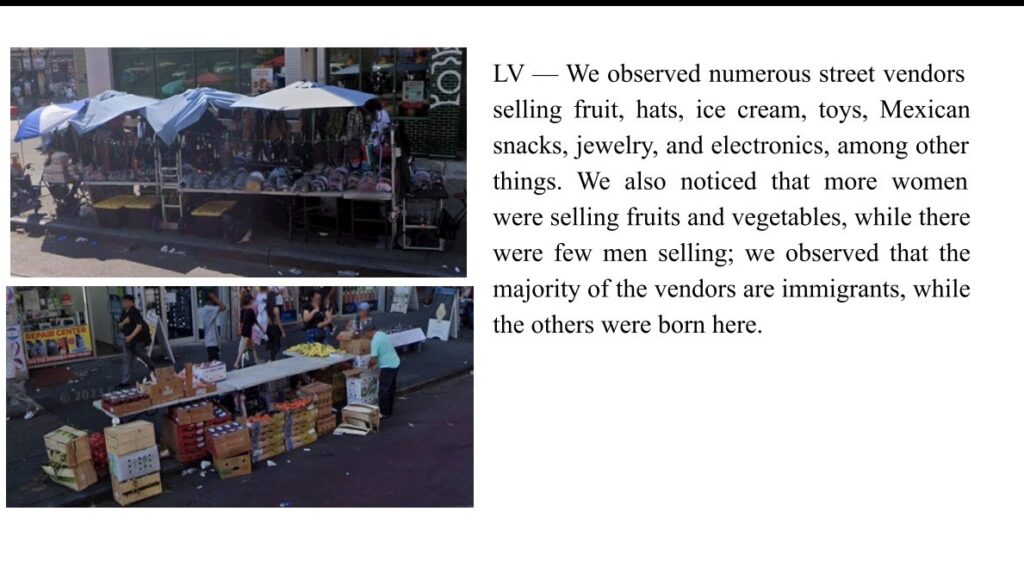
    Local Street Vendors

    Site 7 – El Rincon Boricua
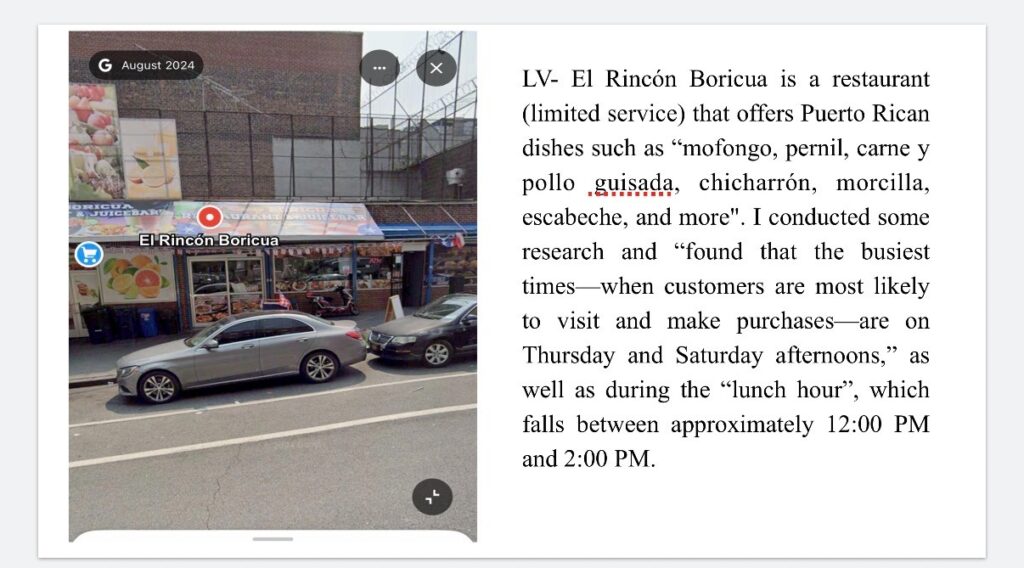
    A limited service local restaurant with mixed reviews – the business was originally a breakfast dinner but it became renovated to become a restaurant

    Site 8 – Tacos El Torito
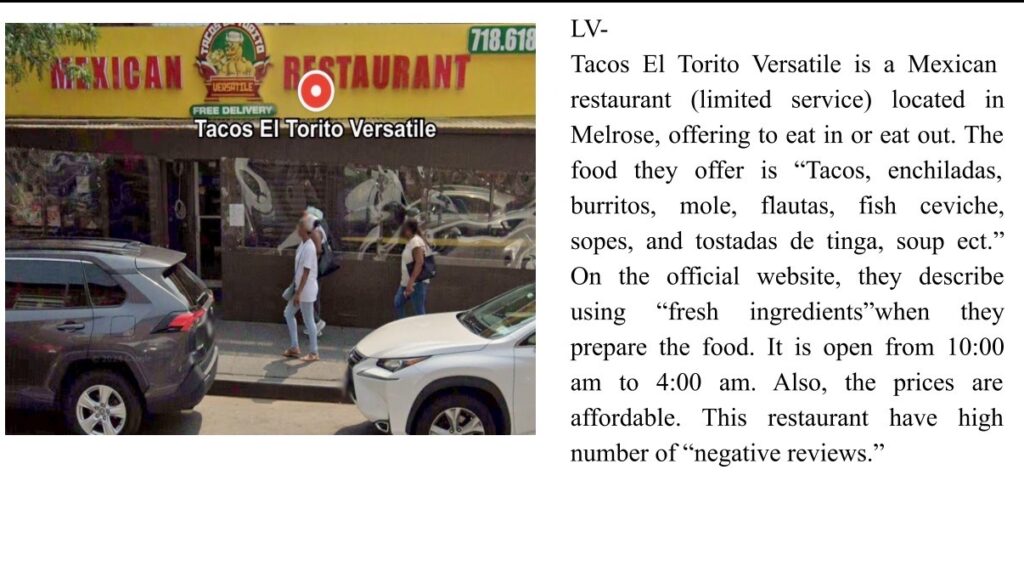
    Tacos El Torito Versatile – a limited service Mexican operation – a traditional Mexican business

    Site 9 – Capy Tres Leches Cake
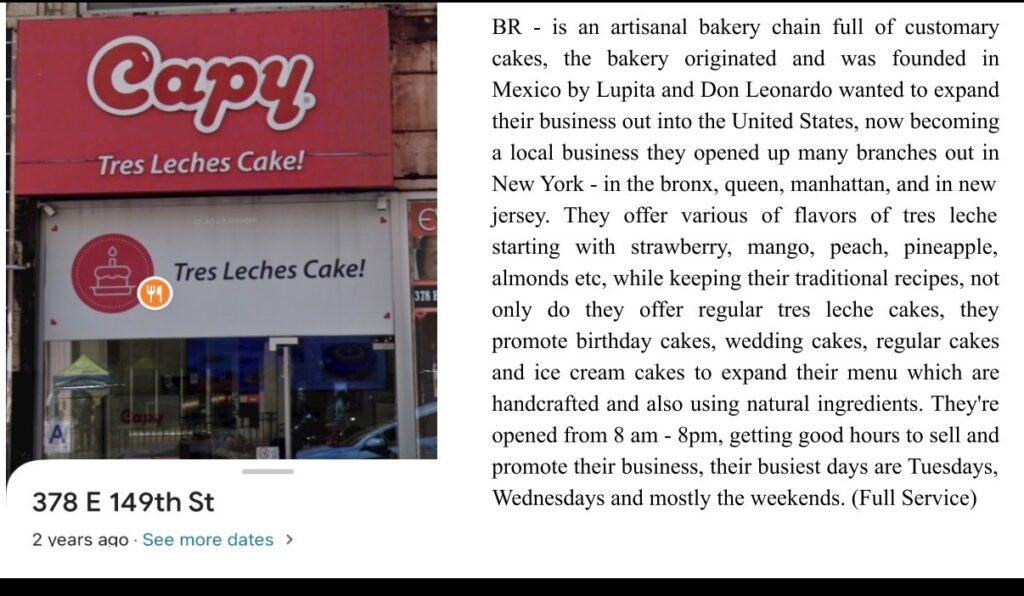
    A full service traditional local business – Franchised throughout all boroughs

    Our Information:

    Brianna Rivas & Lisbeth’s Overall Observation during our visit to these restaurants and small businesses – these are the questions we looked into during our visit and while drawing out our observations –

    1. What kinds of food spaces are present, and how are they distributed?
    2. What kinds of work and labor are visible or hidden in this foodscape? 
    3. What patterns do you see in the social organization of the transformation, exchange, and consumption of food here?

    Lisbeth and I observed the west side of the Bronx – 3rd Ave 149th, the key stop of the 2 and 5 line on the train. During our work we noticed lots of pedestrians coming off the train to instantly get food. On our work we saw lots of street vendors and local restaurants. The west side of the Bronx is a highly dominated Spanish environment full of people who sell food for people to consume, we saw lots of people selling fruits, vegetables, and spices all sold at a low price. All the local street vendors that we noticed sold their products for a cheaper price than we would see in the supermarket.  For example when we visited Antillana’s supermarket something that caught our eye was they sold their fruits and vegetables twice as much as the two street vendors we saw. Another interesting fact that we noticed and found on our 10 minute walk was the organization in the distribution of flavors and the different types of food in the different streets of the neighborhood, and found out the multiple restaurants that offer; Mexican food, Dominican food, Boricua food.  Also we noticed African markets that were selling the same traditional ingredients to make popular foods. We observed that the labor was visible, and we saw that the street vendors were always there at their same spot, standing there for multiple hours, using their voices and bodies to attract people to buy their products. It is also important to know because when I asked one of the vendors how many hours they worked, he responded that it depends on how fast or slow they sold their fruit and vegetables. We asked several street vendors about the weather—whether it was raining or too cold or hot to work—and they responded that they were using umbrellas to protect the fruits and vegetables. On another day, we made another observation to visit the street between 3:30 pm and we were able to interact with another. Lisbeth and I noticed that the more we walked down the corners of the street we continuously kept seeing vendors who were selling fruits and snacks to promote their small business, there were more than 3 vendors on the same street as each other and we noticed that they did not argue with one another, because despite selling the same products and competing to sell they still respected their business. Out of the three vendors we saw that one owner of their business spoke traditional Spanish and other spoke English and Spanish. That was something we noticed right off the back – the Bronx is very known for speaking Spanish, these restaurants celebrate their culture out loud and through their business whether it is cooking for their guests, interacting with their guests or simply just acknowledging their service from the guests. This idea reflects off the idea we both examined was culture – during our visit for example we went out to eat at Parilla’s Sports Bar, the service there was amazing, when we got seated at our table the first thing they did was bring us water like a in a traditional restaurant to bring in the good service, but what I really liked was when our server came to our table and before taking our orders he asked us if we prefer for him to speak Spanish to us or to speak English, Lisbeth and I appreciated that question because not everyone speaks Spanish or understands the language at a certain degree. The transformation that we noticed was that multiple people are working like street vendors to change their family economy, and our economy because we were able to find the same products like vegetables and fruits that are much cheaper. For example they sell strawberries for $3 dollars and in the supermarket the prices vary from $5 dollars and then they add in the taxes and if you buy a bag that’s also money being taken after the product is brought. But in the street vendor you save $2 dollars more than what is paid in the store and they give you a bag for free and they don’t take taxes away. The consumption of the food they sell is any type of culture we can eat or try to make in another form of style when cooking. 

    Posted

    in

    by

  • Annotated Google map://www.google.com/maps/d/u/0/edit?mid=10TR55jNvdo2IYLQbO4da5RNlQUKUAI8&usp=sharing

    Foodscape Counts Table:

    Food System Map
    5-minute radius from (subway station, line): Elder Avenue, 6 train, Bronx, New York
    Researcher: Amelia Susana Perez 
    CategoryCount
    Food Service (prepared meals or beverages)
    Restaurants – full service4
    Restaurants – limited service9
    Bar / Coffee / Beverage6
    Street Vendors – service (permitted)4
    Street Vendors – service (informal)3
    Total Service Establishments26
    Food Retail (food products or ingredients)
    Big Box Retailer
    Supermarket3
    Market (small or specialty retailer)8
    Deli / Bodega13
    Street Vendors – retail (permitted)4
    Street Vendors – retail (informal)3
    Total Retail Establishments31
    Additional Indicators
    Chain establishments (all types)6
    Independent establishments (all types)50
    Street Vendors (total)5
    Total Food Businesses Identified61

    Elder Avenue in the Bronx, New York, offers many food options. Immigrant-owned businesses and a mix of food styles shape what people eat and help keep local cultural traditions strong. At the same time, the area also has popular fast-food restaurants, including McDonald’s, Papa John’s, and Domino’s. These places are quick and affordable, which helps people who are busy and need something quick for lunch but cannot spend too much on a meal. Even though these chains are part of a worldwide food system, local and immigrant-run businesses play an equally important role in the neighborhood’s foodscape. When it comes to groceries, stores like Associated Supermarket and Shop Fair Supermarket serve as the main grocery stores, while smaller markets such as New Mexican Fruits & Grocery reflect the area’s Latino background. These shops provide everyday items at more affordable prices and showcase the community’s wide range of food preferences. Additionally, the presence of restaurants such as Pabellón Restaurant, which combines Chinese and Spanish cuisine, and Golden Crepe, a modern dessert shop, as well as Halal meals and Cafe TK, added cultural relevance to the neighborhood. Overall, the food scene here shows both inequality and variety. Big chains are easy to find and more convenient, but small, immigrant-owned businesses help sustain cultural identity, support the local economy, and encourage community connections.

    Posted

    in

    by

  • Annotated Google Map: https://www.google.com/maps/d/edit?mid=10ajt681kR6f1uDtkXsx3JISXem7rGio&usp=sharing
    Foodscapes Count Table:

    Food System Map
    10 minute radius from (subway station, line): W 4th Station, F / A / C / E line
    Researchers (initials): Daya Cohen
    CategoryCount
    Food Service (prepared meals or beverages)
    Restaurants – full service~ 350
    Restaurants – limited service~ 200
    Bar / Coffee / Beverage~ 175
    Street Vendors – service (permitted)~ 0
    Street Vendors – service (informal)~ 0 
    Total Service Establishments~ 725
    Food Retail (food products or ingredients)
    Big Box Retailer~ 7 
    Supermarket~ 5 
    Market (small or specialty retailer)~ 12
    Deli / Bodega~ 29
    Street Vendors – retail (permitted)~ 0
    Street Vendors – retail (informal)~ 0
    Total Retail Establishments~ 53 
    Additional Indicators
    Chain establishments (all types)~ 15
    Independent establishments (all types)~ 37
    Street Vendors (total)~ 0
    Total Food Businesses Identified~ 778

    Visual Documentation:

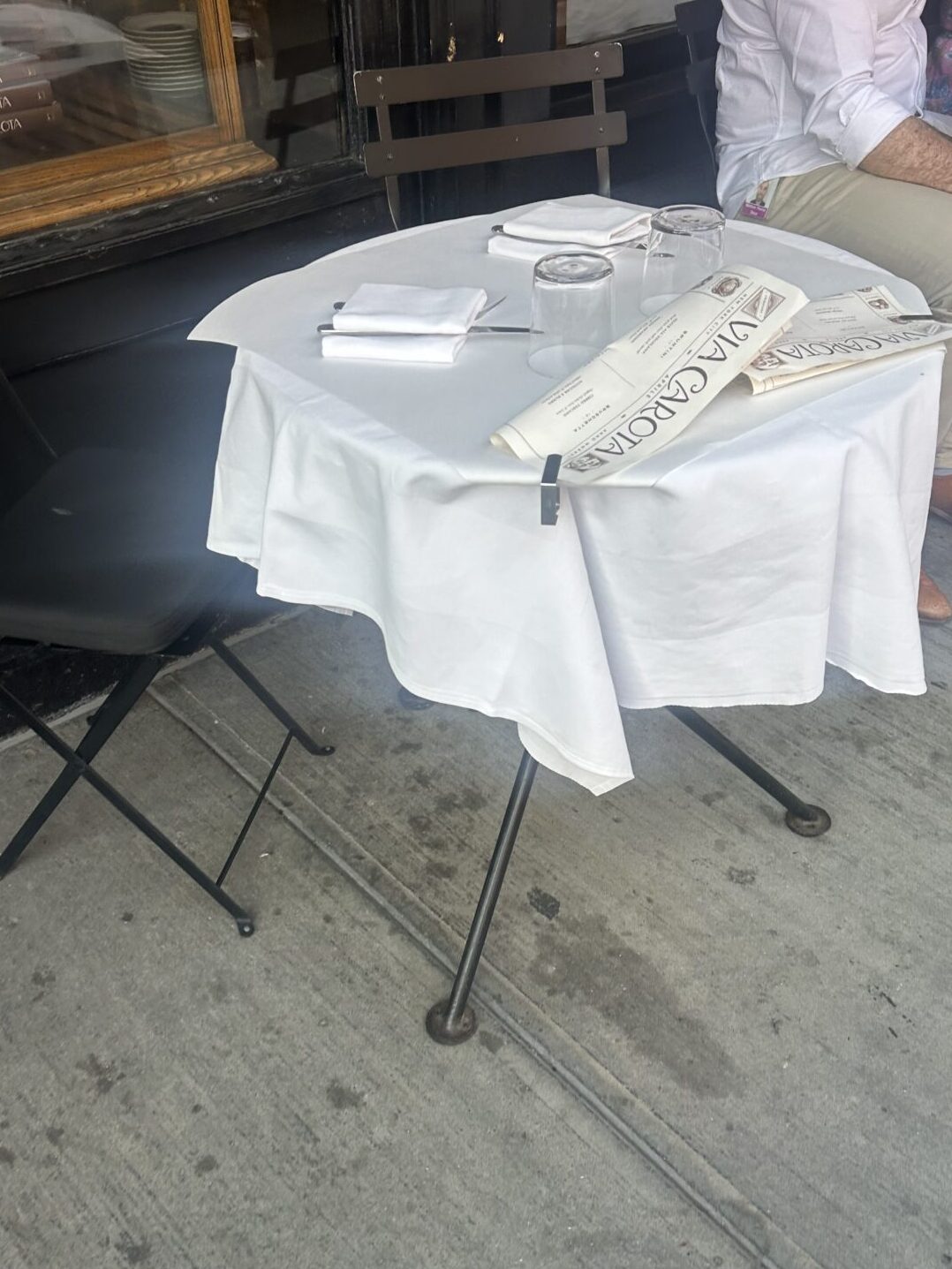
    Caption: Upscale outdoor dining at Via Carota, a famous fine-dining Italian restaurant. Setups like these are seen throughout the neighborhood.
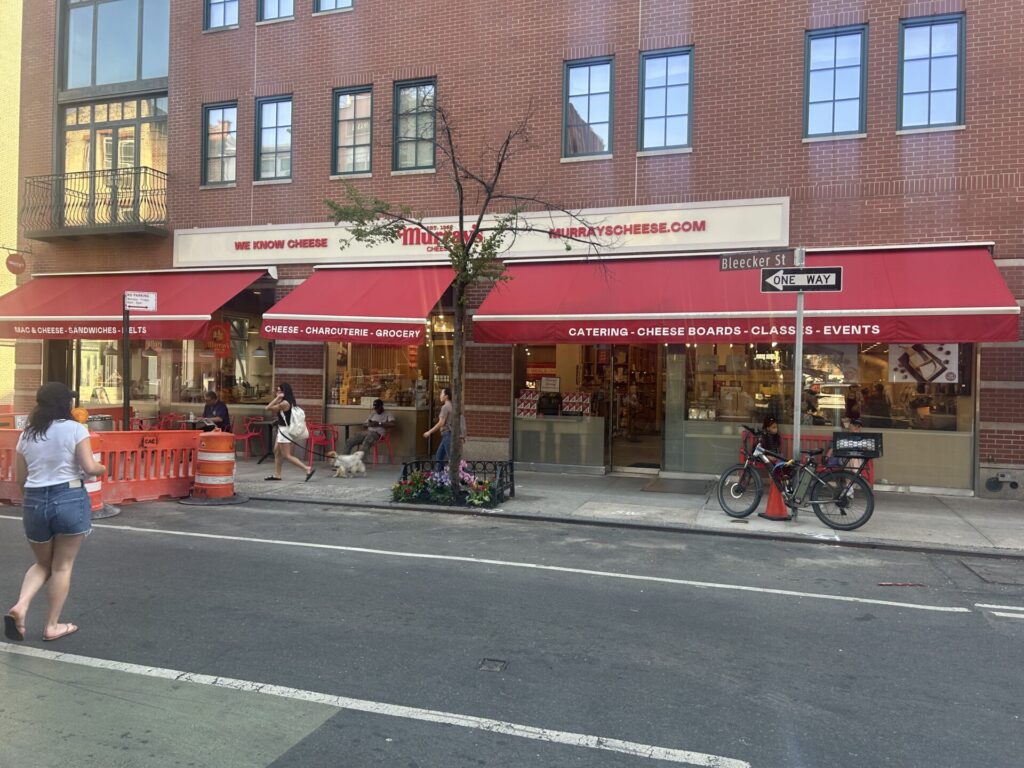
    Caption: An example of a specialty food retailer, Murray’s Cheese.
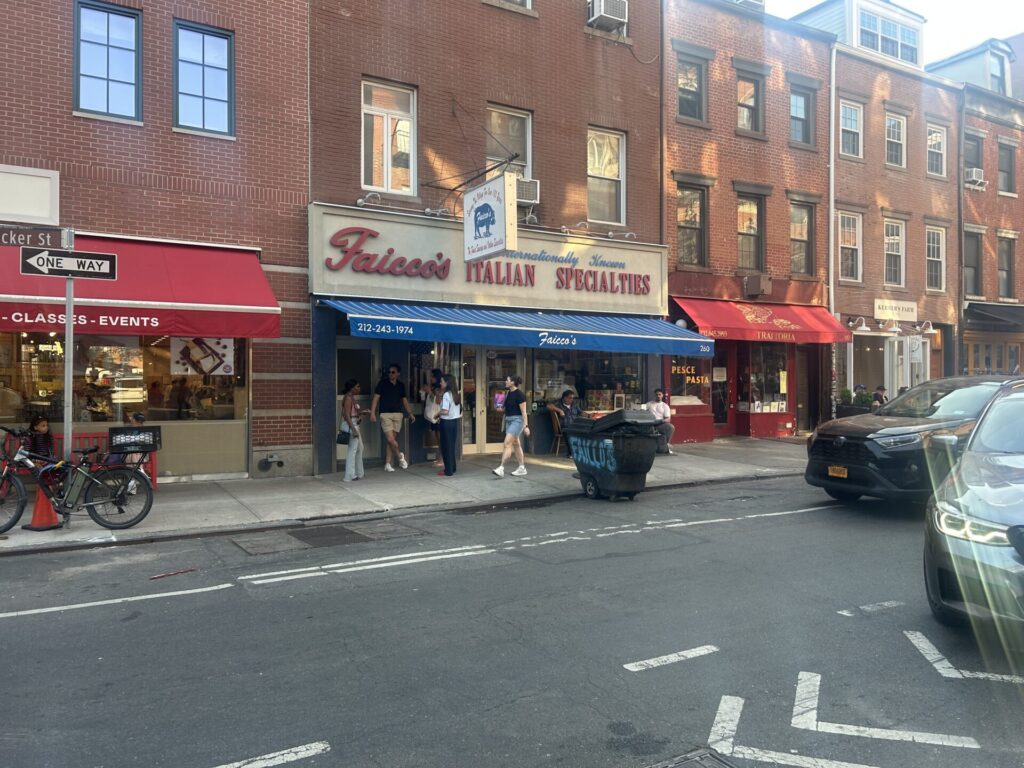
    Caption: Next door to Murray’s Cheese, an old-school Italian deli called Faicco’s sells Italian meats and sausages, as well as sandwiches and cheeses. It has been around since 1900.
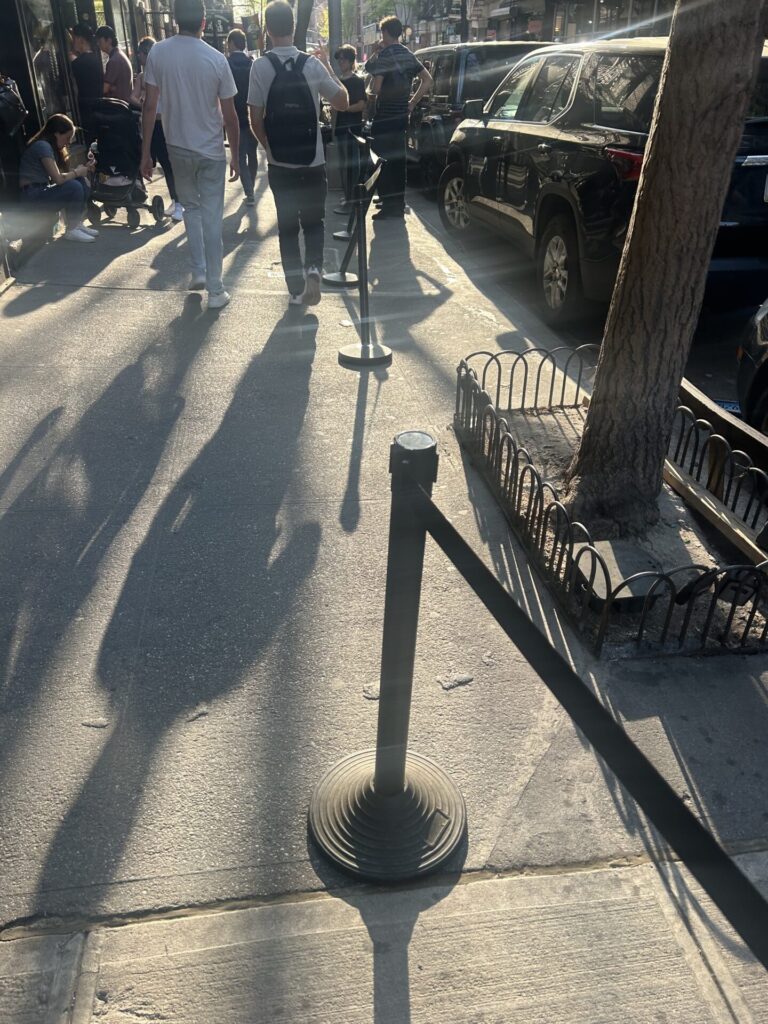
    Caption: Seen across the neighborhood are these ropes or crowd control barriers outside of various restaurants and shops to control the amount of lines they get. This one is specifically outside of L’industrie Pizza, a famous slice shop.

    Foodscape Description:
    The West Village neighborhood surrounding the W 4th Street A/C/E station is an incredibly densely populated foodscape predominantly made up of fine-dining and sit-down establishments. Most restaurants are full-service, with few limited-service or counter-service options – this reflects its positionality in the New York City food scene as a place people come to eat, as well as a tourist destination. I believe this also signals a sense of wealth and gentrification in the area, which is obvious from other metrics as well. The traffic in the West Village also seems to be driven by an online front, not via delivery platforms, but by social media and reservation apps like Resy and OpenTable. From research on many of the restaurants and cafes, many of which are sought after, hard to get into, with people paying excessive amounts of money simply for a reservation to dine there. Dining here is a status symbol. In terms of cuisines, the majority of establishments were Italian, ranging from slice shops to fine dining. There was also a significant number of Japanese restaurants, including omakase. Lastly, I also observed many French bistro or tavern-style dining sites, as well as many cafes, tea shops, and dessert places. Food retail also plays a central role in the area, with the majority of retail consisting of specialty shops and delis. Gourmet cheese and meat shops, especially Italian ones, as well as Japanese specialty stores, are at the forefront of retail here. Uniquely, many of these places also have a focus on prepared foods, with fewer supermarkets for cooking products and produce. There are also generally few food chains here, reflecting the neighborhood’s upper-class demographic, as grocery stores and dining out are both very expensive. In terms of customer and worker interactions, it seems that many workers in this foodscape are career industry workers and are predominantly Latino or workers of color, whereas the consumers are disproportionately white.

    Posted

    in

    by

    0 responses

    To reply, click:

    A/C/E at W 4th Street – Daya Cohen

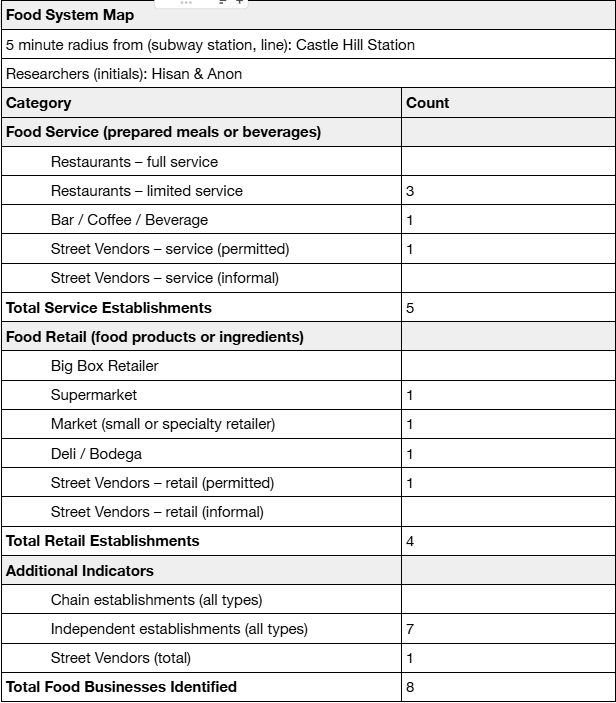
  • Hey everyone this is our project of food places around the Castle Hill Station.

    The following is our Annotated Google Map Link : https://www.google.com/maps/d/u/1/edit?mid=1GEJaPQsooBfNE9v5Zc03I46seHMwo9I&usp=sharing

    The following is our Foodscape counts table :

    The following are the 9 places we explored and observed :

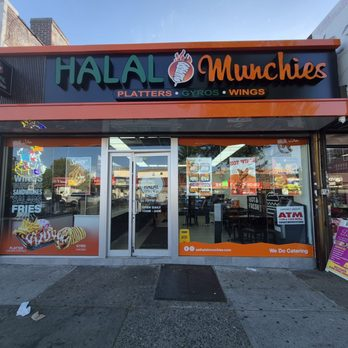
    Halal Munchies
    Restaurant(limited service)
    Halal / American fast casual(fusion street food)

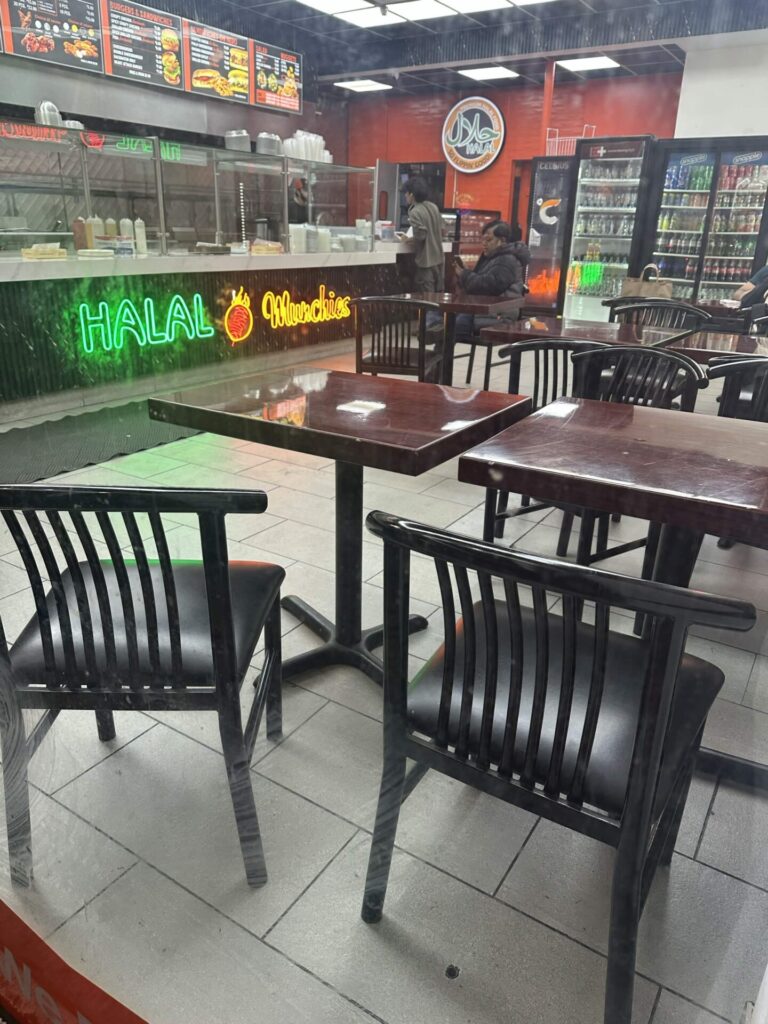
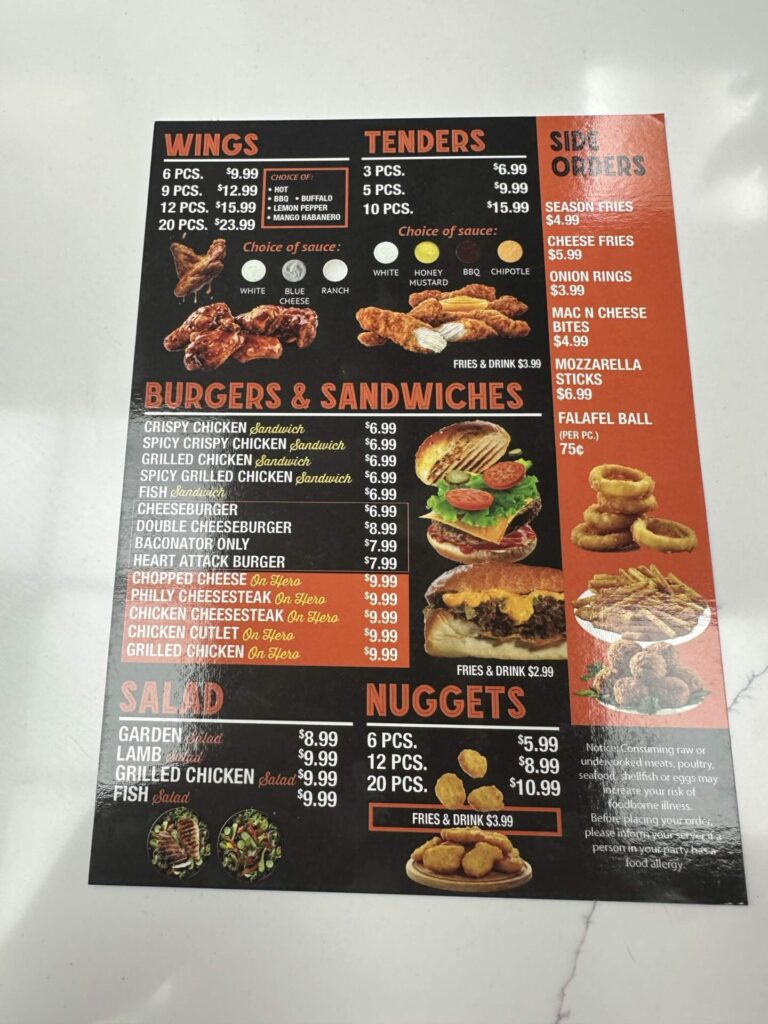
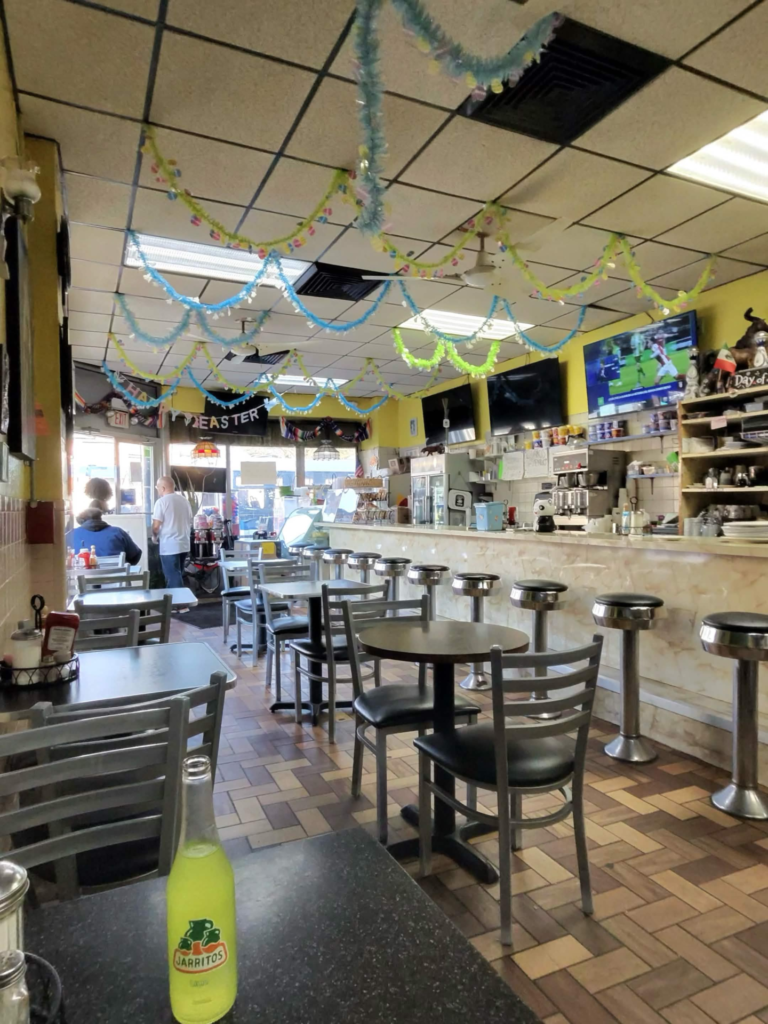
    The store is in an area with a lot of different kinds of stores, and not all of them are food-related. The food-related stores are a few spots away. The other food spaces are beverages and some other similar restaraunt spots. There’s usually around two people each time in the front working and taking a customer one person at a time and doing their order. Workers quickly prepare food, sell it at fast counters, and people eat it informally or on the go. This shows that the system is focused on speed, ease, and low cost.
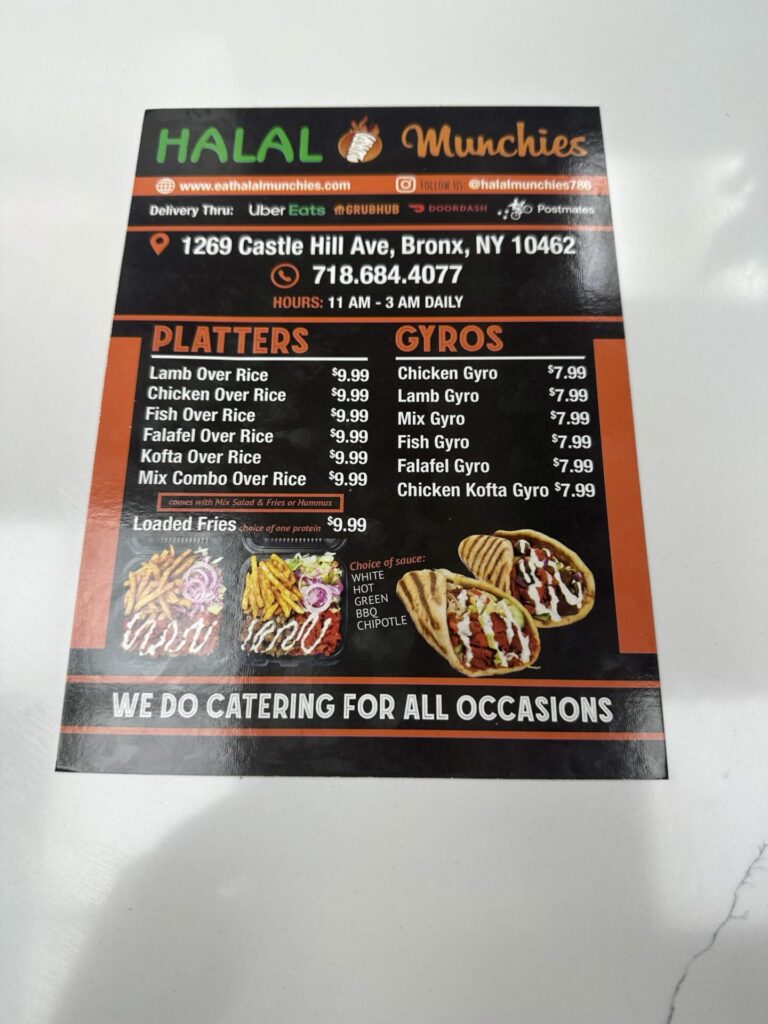
    Hisan’s Further Observations : I choose Halal munchies as my selection for the longer observation. Customers often come on their own and maybe sometimes in pairs of two. When I got to the place, I saw 2 employess working but from multiple visits I seen at most 3 people on busy days and mostly at night its one person, and like I said before they do the same thing of taking a customer and dealing with 1 person and next employee does the same with the following customer, they work off each other pretty well by cooking, cleaning, preparing, and doing registry work. Ordering was pretty normal as I had to wait in a line and order from the menu which I have posted a picture of. They have the usual doordash, grubhub, and uber for delivery and pickup. Menu is above the working station and they have menu brochures and prices are pretty justifiable and sounds about right for the economy. Language seems to be mostly English with the customer, but amongst the employees it is usually Arabic. Surrounding area seems to be filled with fast food areas and a lot of deli’s and 99cent stores.

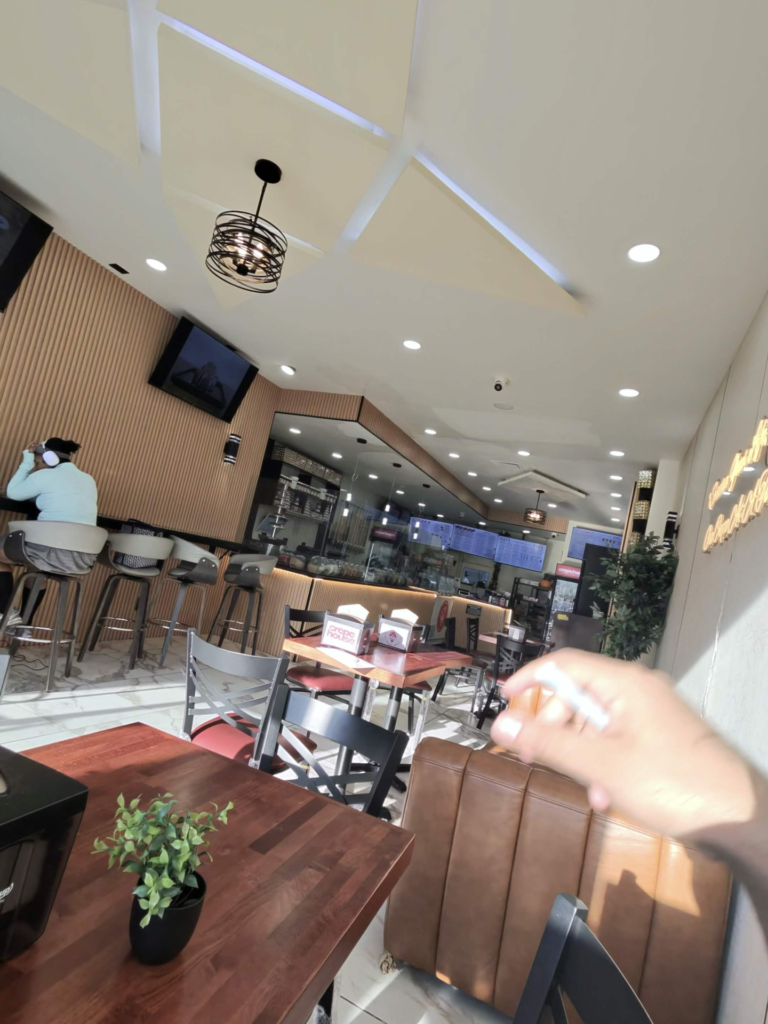
    Crepe House
    Restaurant(limited service)
    Desert Cafe / French-inspired cuisine

    There are eateries, delis, supermarkets, and street sellers all over the place. Most of them are close to each other and along busy streets. Cooking and serving are examples of visible labor. Behind the scenes, food prep, cleaning, and supply work are examples of secret labor. It’s important to focus on speed and ease, so food is made quickly, sold quickly, and eaten quickly or on the go.

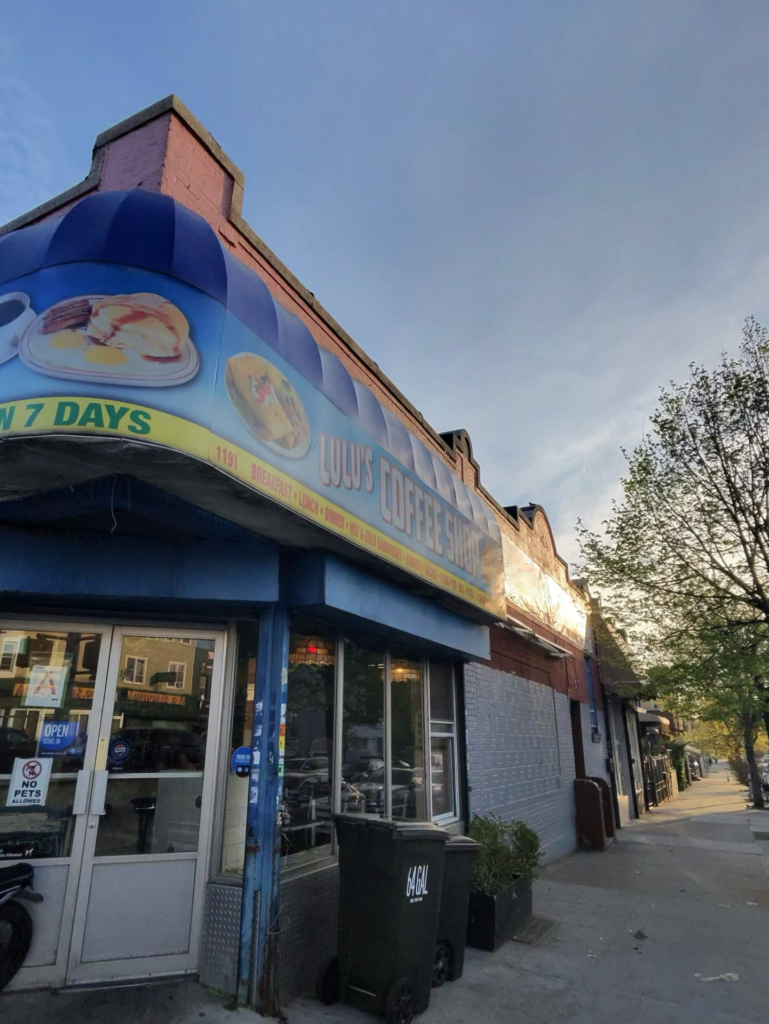
    Lulu’s Coffee Shop
    Bar/Coffee/Beverage
    Coffee shop / cafe

    There is a coffee shop, which is generally on a main street with other small food businesses. Serving drinks and making drinks are examples of visible labor. Preparation work, stocking, and cleaning are examples of secret labor. Drinks are made quickly, sold at the bar, and drunk in a casual way, usually to pass the time or meet new people.

    Aguilas Deli Food
    Deli / Boldega
    Latin American / Deli-style cuisine

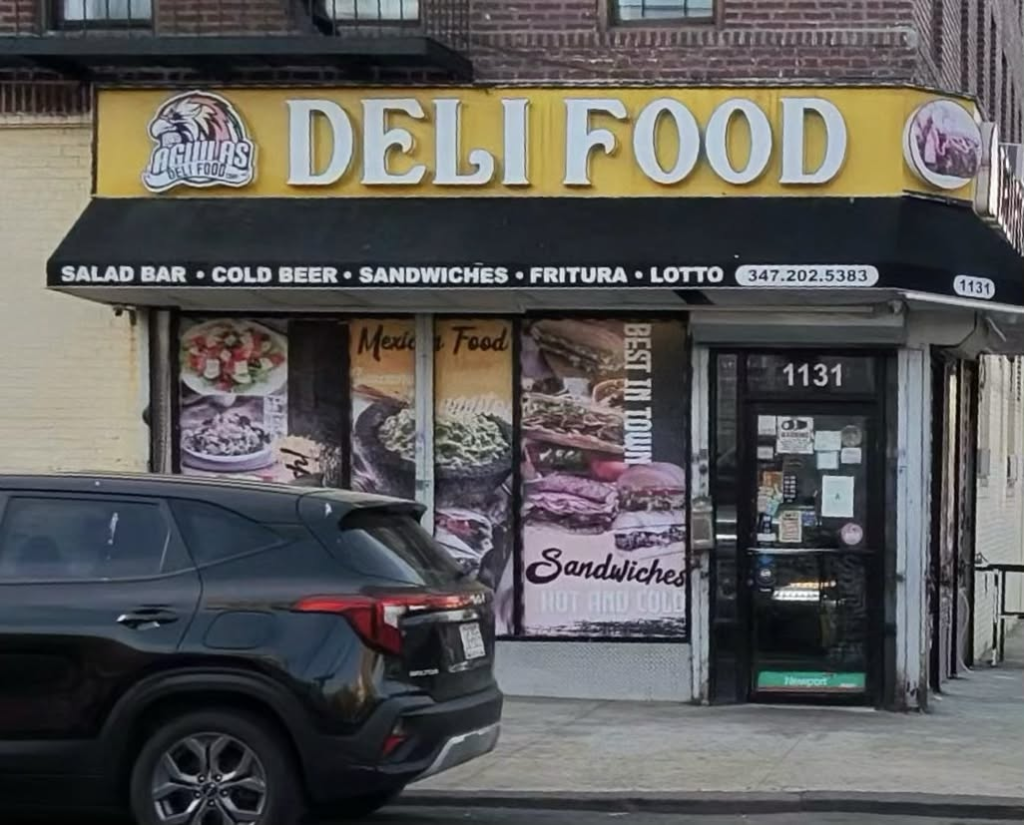
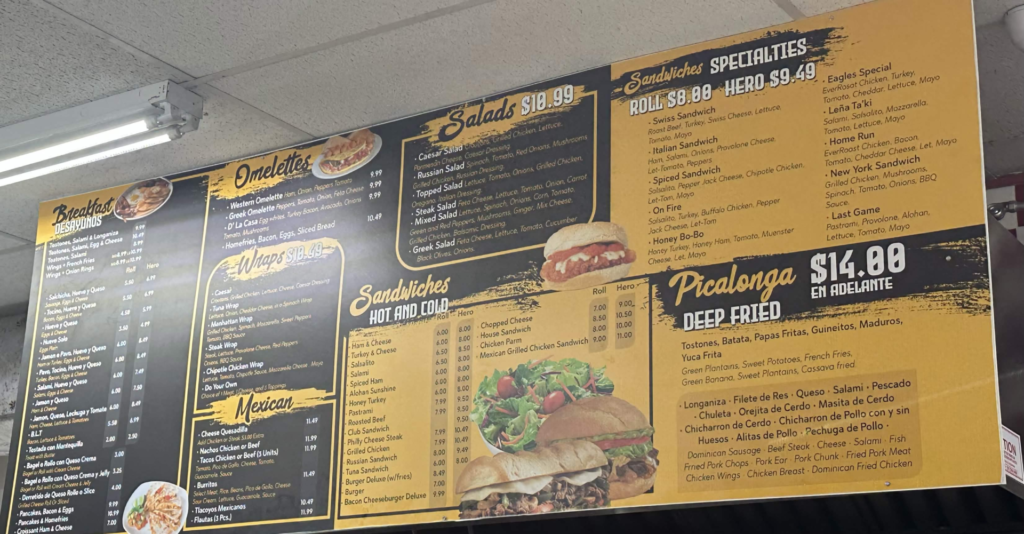
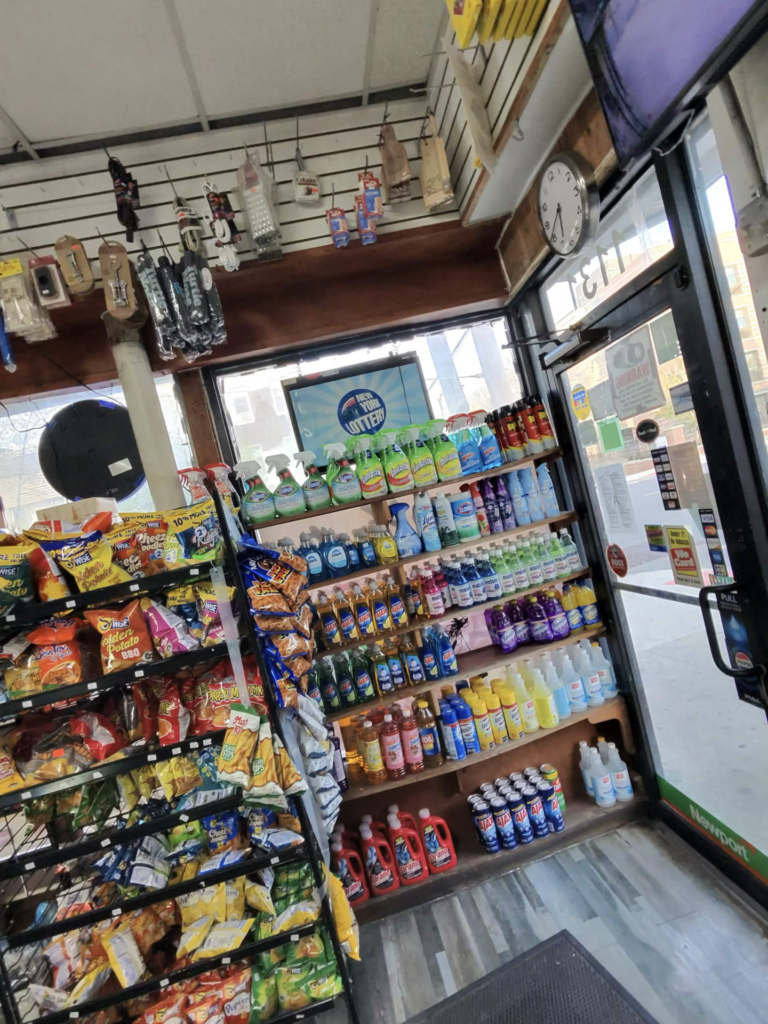
    There is a local deli or bodega, which is usually on a street in the area and is surrounded by other small food places. At the counter, people do visible work like cooking and serving, while behind the scenes, people do secret work like preparing food, stocking, and cleaning. Simple table service is used to sell food quickly, and people often eat on the go, which shows that the focus is on ease of access and quick preparation.

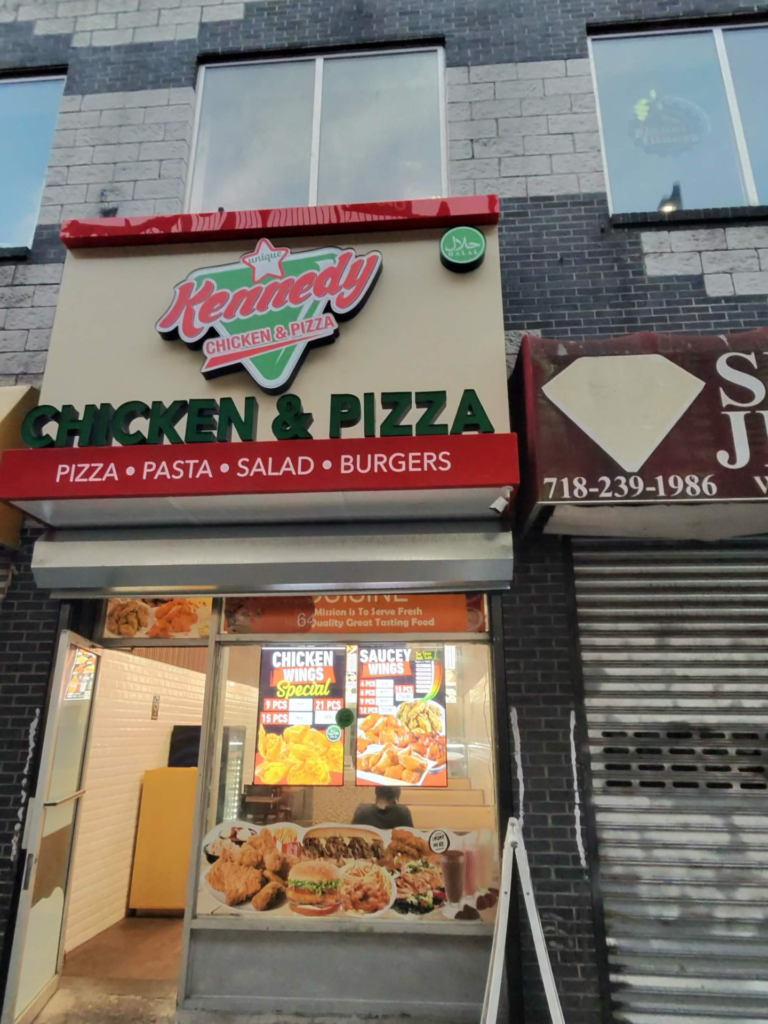
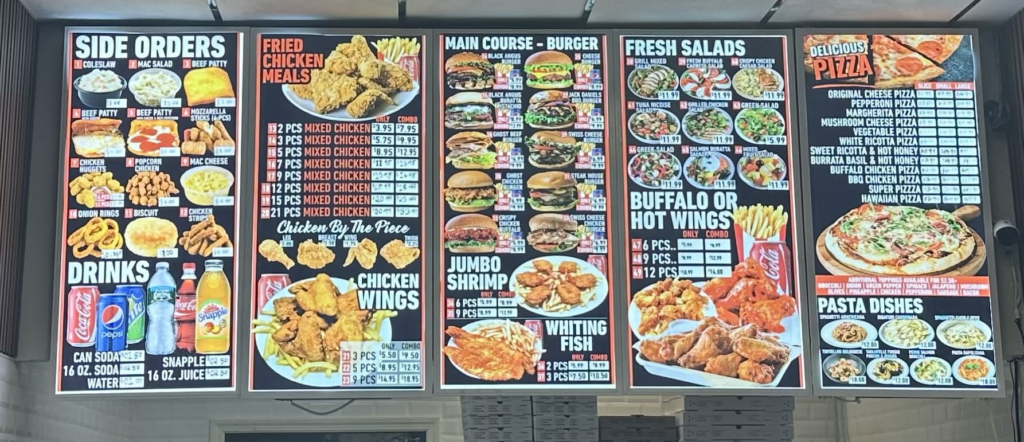
    Kennedy Chicken & Pizza
    Restaurant(limited service)
    Halal fast food / American street food

    There is a fast food restaurant with restricted service. It is on a busy street near other small food businesses. Work that can be seen includes taking orders and serving food. Work that can’t be seen includes cooking, preparing food, and cleaning in the back. For me, food is made quickly after I buy it at the counter, and I usually eat it on the go. This shows that the system is designed to be quick and easy.

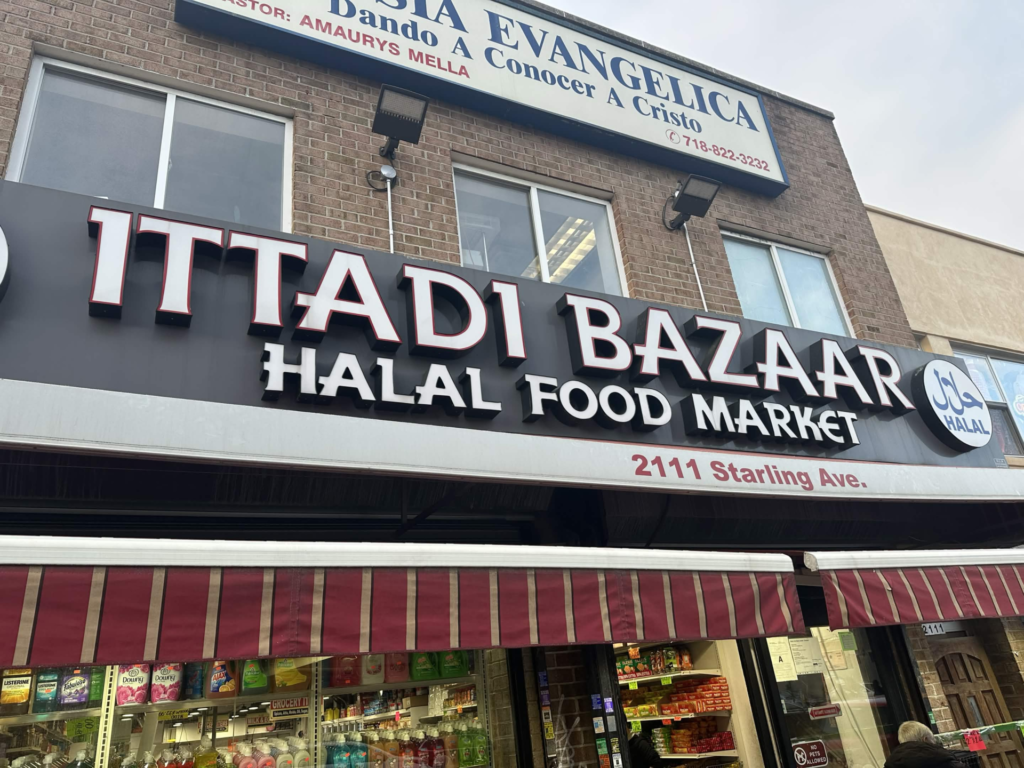
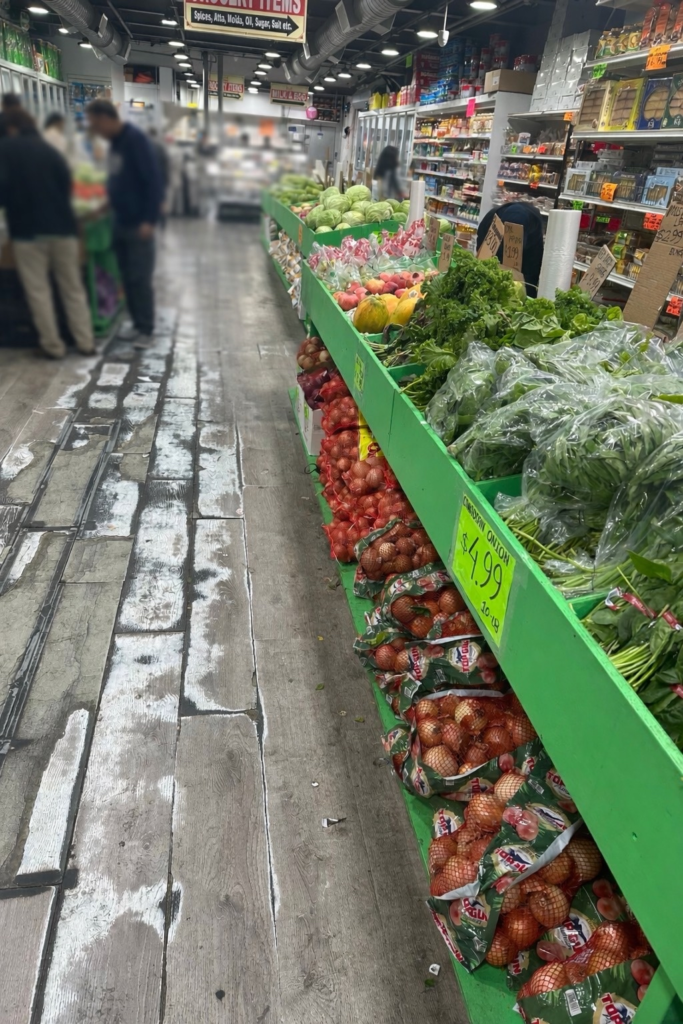
    Ittadi Bazaar Halal Food Market
    Market
    South Asian / Halal Grocery

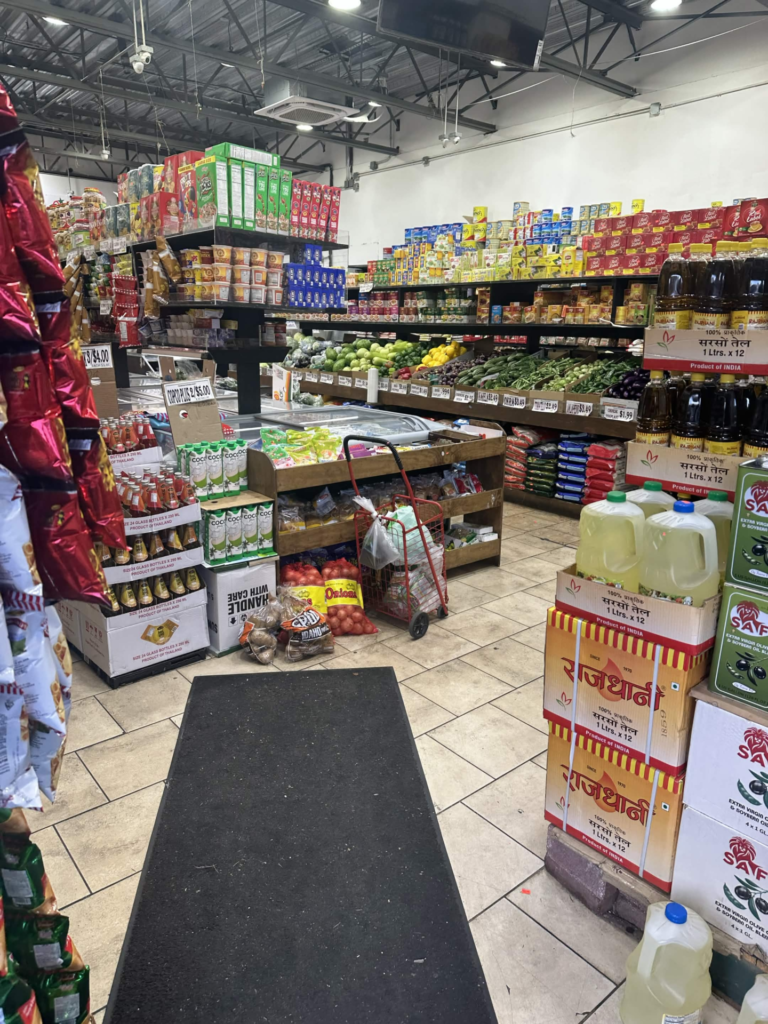
    On a street in the area, there is a small halal market surrounded by other food shops. Putting things on shelves and helping customers are examples of visible labor. Sourcing goods, cooking meats, and organizing inventory are examples of secret labor. Food is mostly bought to be cooked at home, and quick exchanges and eating happen later in private living rooms.

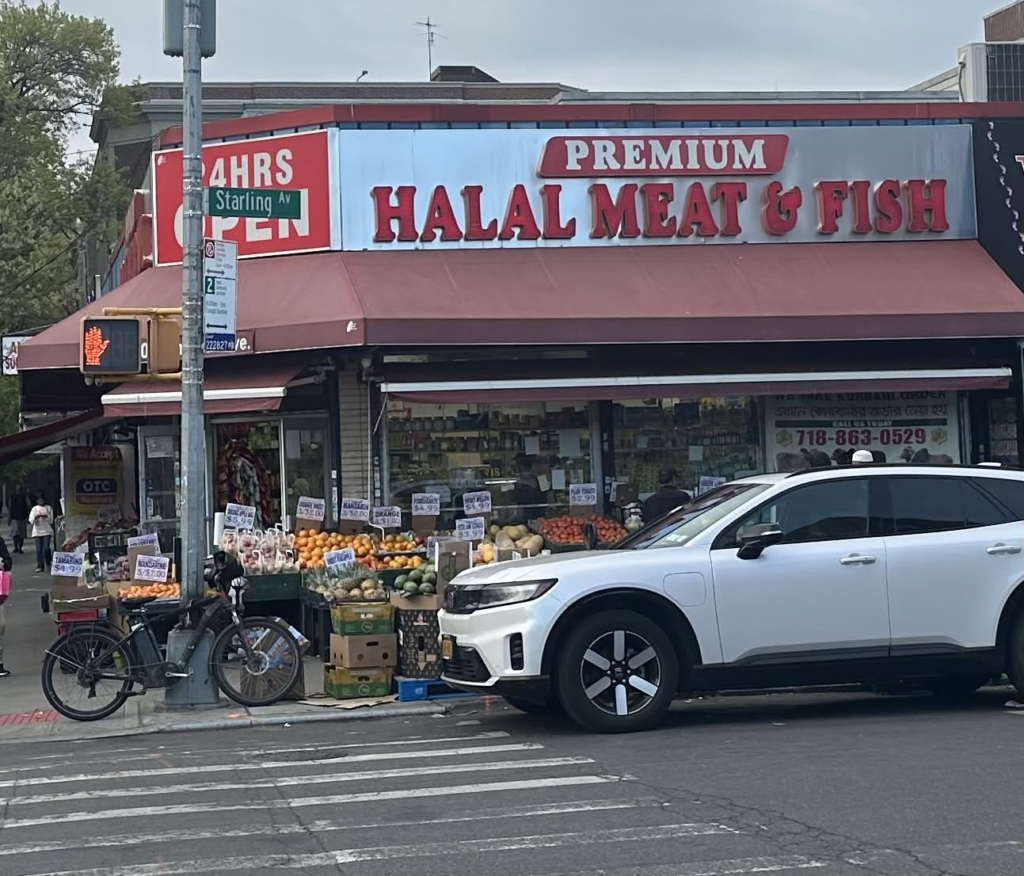
    Premium Halal Meat & Fish
    Supermarket
    International / Halal Grocery

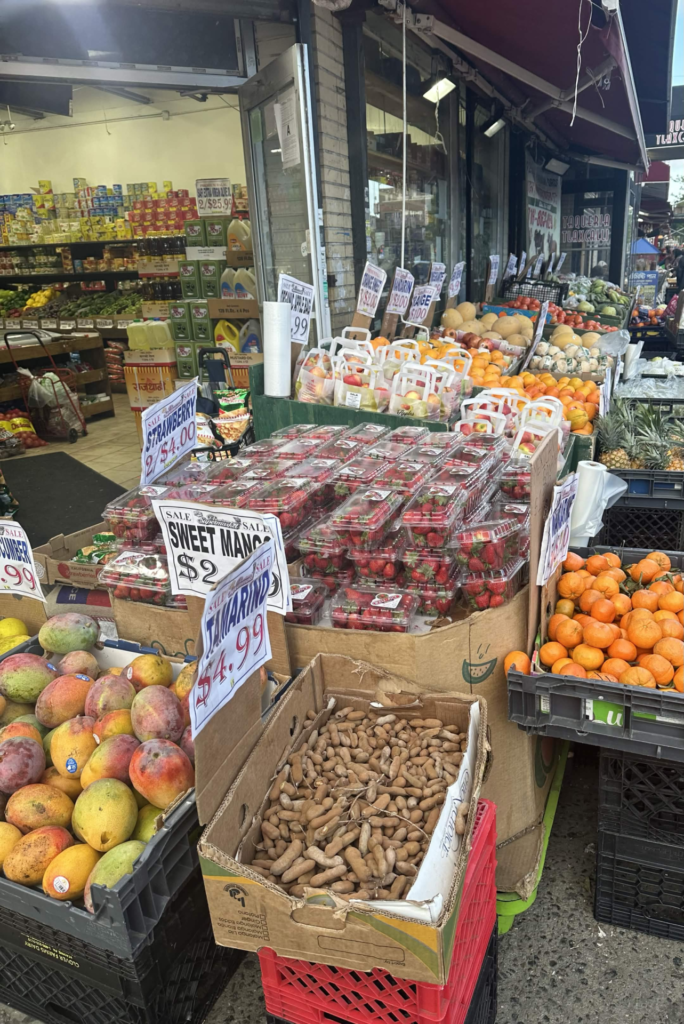
    There is a halal supermarket on a busy block, and other food businesses in the area are all around it. Cutting meat, stocking produce, and helping customers are examples of visible labor. In the back, finding goods, storing them, and preparing food are examples of hidden labor. People buy and sell food as raw materials, and most of the time, they cook it at home and eat it later.

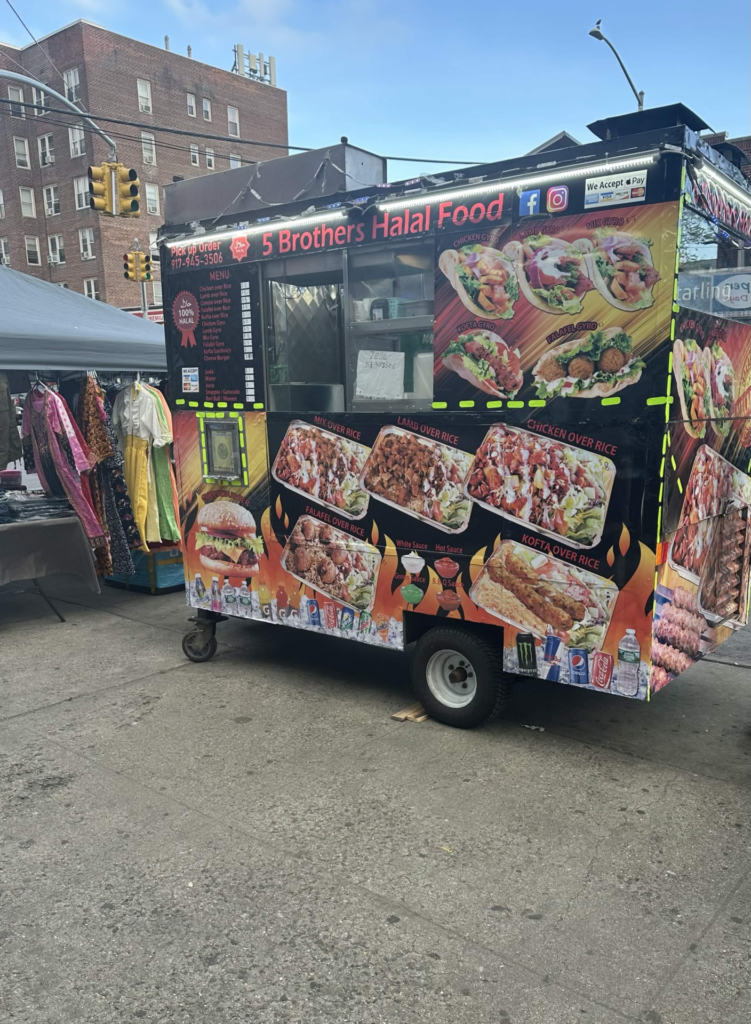
    5 Brothers Halal Food
    Street Vendor – service(permitted)
    Middle Eastern / Mediterranean-style cuisine

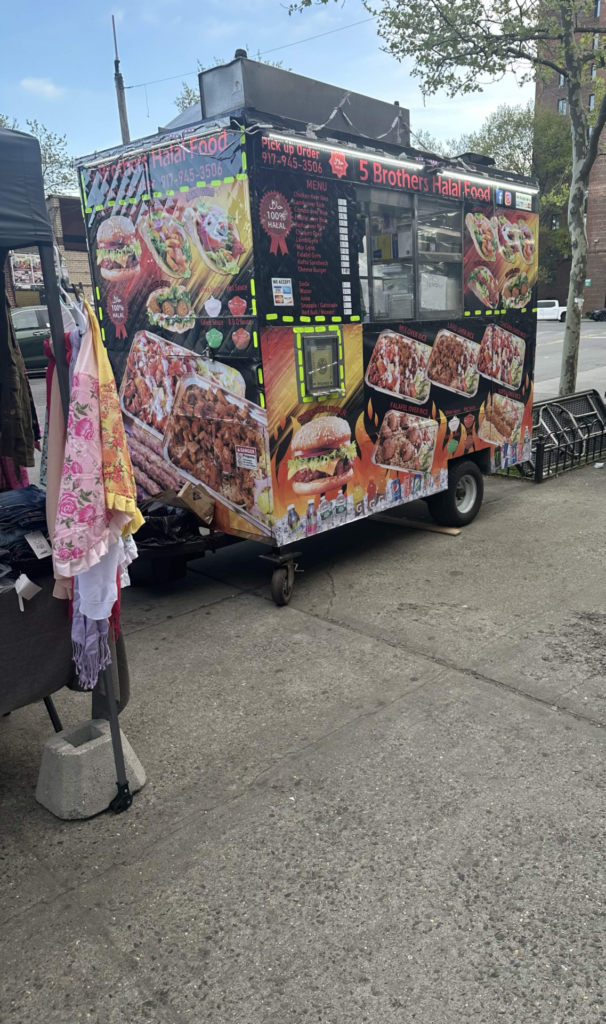
    There is a halal food truck, which is usually found on a busy block. However, since it’s the first one in the area, people aren’t as interested in it yet. Cooking and putting together food in the truck is an example of visible labor. Food prep, getting ingredients, and long hours working behind the scenes are examples of secret labor. The food is quickly made and served from the truck, and money is traded and mostly eaten on the go, with a focus on speed and convenience.

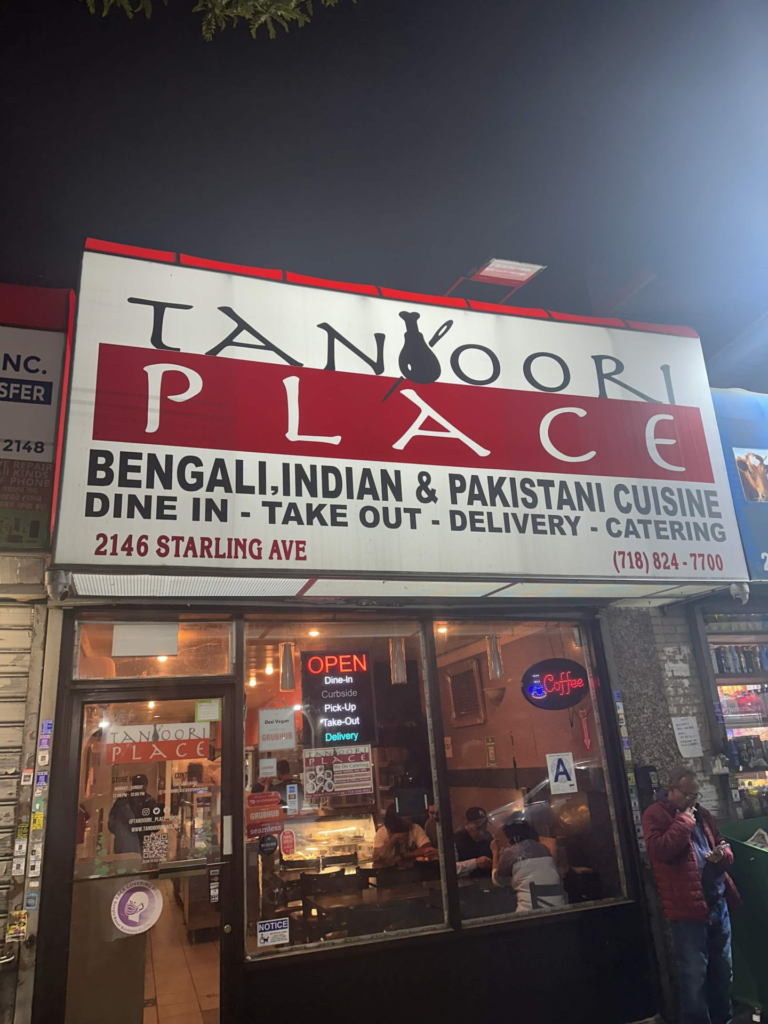
    Tandoori Place
    Restaurant (full-service)
    South Asian cuisine (Bengali / Indian / Pakistani)

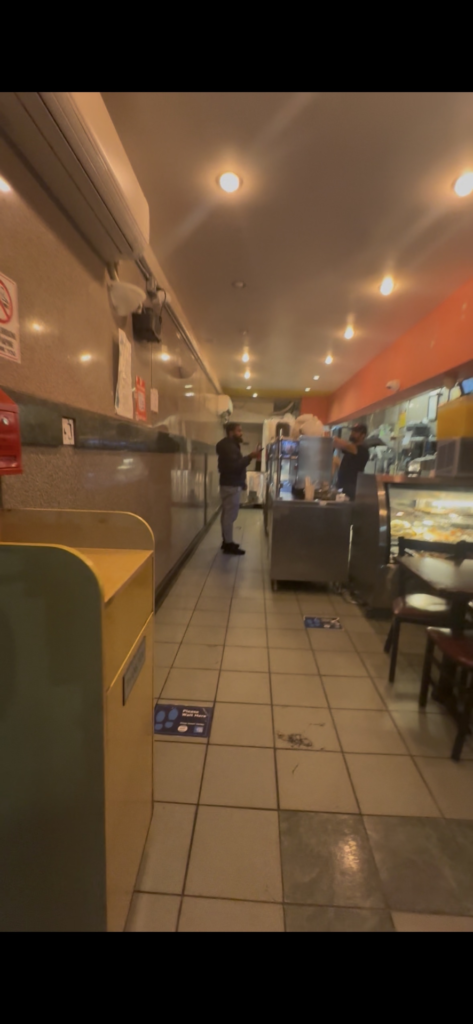
    Around 2146 Starling Ave, I noticed there are many small food places right next to each other, and the area feels busy with people going in and out. Most spots are local like bodegas, pizza shops, and takeout places, even though they are competing with each other. Tandoori Place stands out because it has South Asian food like biryani and curry, which is different from the other places nearby. I saw workers taking orders, cooking, and packing food, and some delivery workers coming in for apps like Uber Eats and DoorDash. Most people grab food and leave, but some stay inside if there is space. The customers seem mostly local, and the mix of different foods shows that people from different cultures live in this area.
    Anon’s Further Observations : Around 2146 Starling Ave in the Bronx, there are a lot of food places close to each other. The area has many small restaurants, delis, and takeout spots, so it feels busy. Most of the businesses are independent and family-owned, not big chains. One example is Tandoori Place, which is a South Asian restaurant in the area. Most food places are simple and quick, like pizza shops, bodegas, Chinese takeout, and Latin food spots. You can see different languages on signs, mostly English and Spanish, because many people in the neighborhood speak Bengali . At Tandoori Place, workers might also speak languages like Hindi or Bengali. There are many kinds of food and dishes, like wings, chicken rolls , fried chicken, and also biryani and curry from Tandoori Place. The mix of food shows that people from different cultures live here. The way workers and customers talk is usually friendly and casual. Many places also use apps like Uber Eats and DoorDash for delivery. One interesting thing is how different types of food are all in one place. It shows how diverse the neighborhood is.

    The following is our Foodscape Description : There are a lot of food shops near Castle Hill Station. Many of them are right next to each other on the same streets. Most of these places are small, independent businesses instead of big chains and that makes for a strong food economy in the neighborhood. Most places to eat are limited-service restaurants, delis/bodegas, small markets, and street sellers. There aren’t many full-service restaurants. These places are close together often right next to each other making a long line of food options.

    There is a lot of different kinds of food, such as halal food from the Middle East and Mediterranean, Latin American deli foods, American fast food, and dessert cafes like crepe shops. Some of the most common foods are chicken over rice, gyros, biryani, fried chicken, burgers, and fresh fruits and vegetables that can be cooked at home. This variety shows that the neighborhood is widely diverse.

    Most of the languages on signs and tables are English, but there are also some Spanish and South Asian languages. Workers often speak more than one language with each other. People who work with customers usually only talk to each other briefly and for the purpose of buying, paying for, and getting food quickly. However, the conversations are still casual and friendly.

    A lot of companies use delivery services like Uber Eats, DoorDash, and Grubhub, which shows how they work with digital food systems. It’s interesting that there are both retail and prepared food places in the same area, and that halal food is sold in a variety of business types. Overall, the food scene values speed, affordability, and cultural diversity, and there are a lot of small, immigrant-owned companies. The places are incredible as there seems to be more and more food spots opening up near castle hill station and its a growing space food business wise.

    Posted

    in

    by

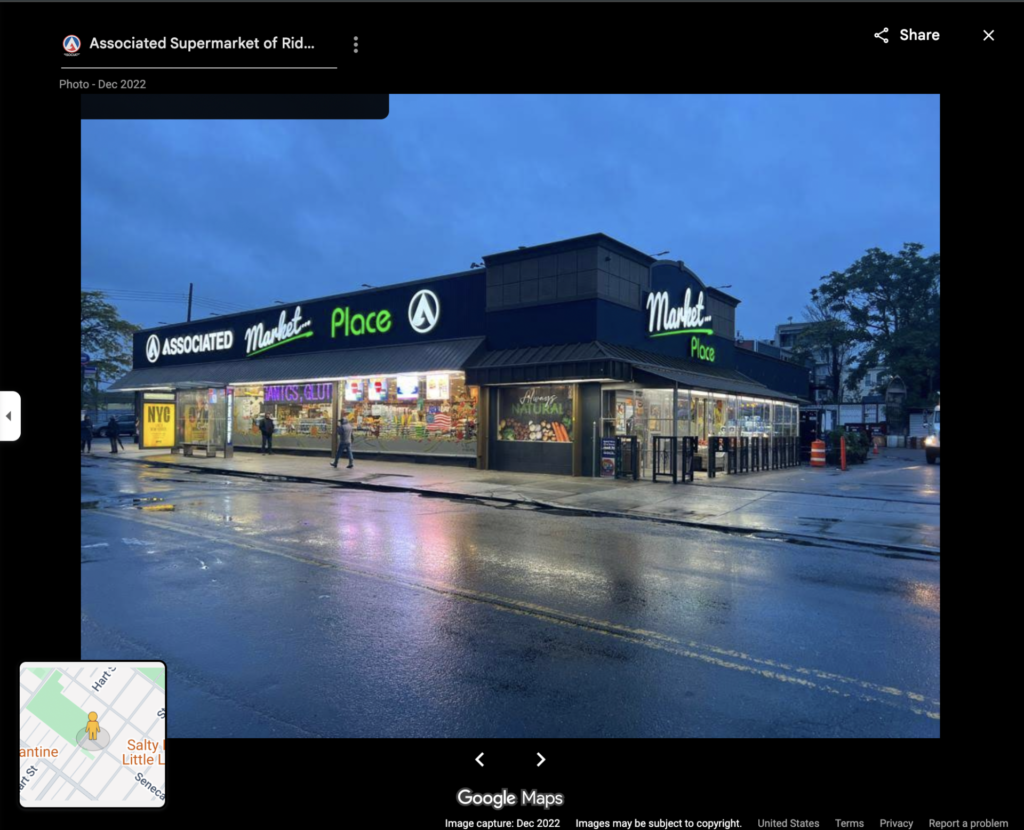
  • This supermarket is the closest one to my house in my neighborhood in Ridgewood, Queens. Despite there being multiple supermarkets within a 15-20 minute walk, the prices at this supermarket are exceedingly high for the quality of the food. I see this relates to how, in Will Work for Food, supermarkets replaced specialty grocers where you might find fresh, local produce, and replaced it with supermarkets like this one. I also feel like this connects to gentrification, as food prices have increased here despite the quality not being great. In another part of the neighborhood, it was just announced that a Whole Foods is opening. This is another shift towards bigger retailers to meet the demands of gentrification and new residents. I also have noticed it is impossible to find fresh meat or fish in my neighborhood, and very few grocers sell it. I think about how where you live and where you shop directly determines what you eat and thus your health. I am curious what might happen to the produce and prices here when Whole Foods opens next year.

    Question: How does where you shop determine health outcomes? What factors are at play when retailers do not provide healthy options?

    Posted

    in

    by

  • Address: Food Bazaar: 35-60 Junction Blvd, Corona, NY 11368

      Posted

      in

      by

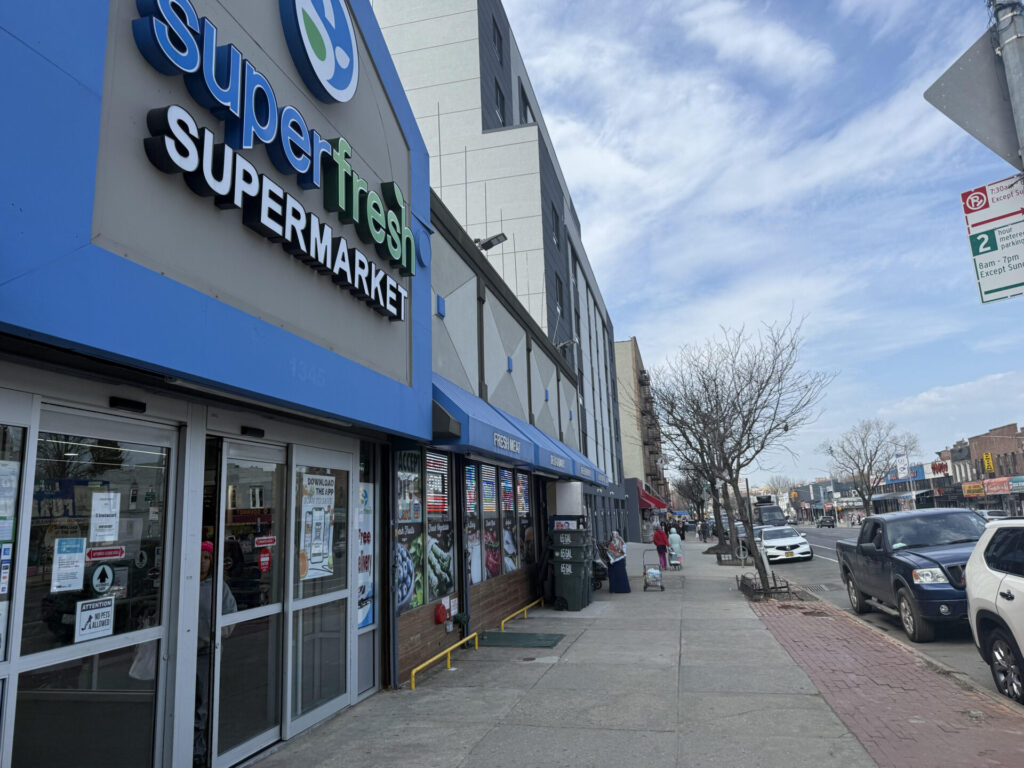
    1. Chapter 4 of ”Will Work” talks about how retail workers often deal with low wages, long hours, and pressure from management to keep customers happy. The chapter explains that retail jobs may look simple from the outside, but they require a lot of emotional labor. Workers have to stay friendly, move quickly, and handle many tasks at the same time. Many of these workers are part of the local community, and their jobs help keep neighborhoods running every day.

      This idea connects to a supermarket in my area called Super Fresh in the Bronx. Many people from my community shop there for groceries. I often see the same workers every time I go. They are stocking shelves, helping customers find items, and working at the checkout lines. Even when the store is busy, they try to stay polite and helpful. Their work helps families in the neighborhood get the food they need. Just like in Chapter 4, these workers do important labor that people do not always notice.

      Retail stores like this also become social spaces in the neighborhood. People see familiar faces and feel comfortable shopping there. It shows how retail work connects workers, customers, and the community together.

      How do neighborhood retail stores shape the social life and relationships within a community?


      Posted

      in

      by

      0 responses

      To reply, click:

      Super fresh market in The Bronx

    2. The video explains the importance of breakfast and how many people skip it because of busy schedules in the morning. Breakfast literally means “breaking the fast” after not eating all night. It gives the body energy and nutrients to start the day and helps people stay focused and productive. Many experts say that eating breakfast can support energy levels, concentration, and overall health during the day. However, the video also shows that modern lifestyles make it difficult for people to eat breakfast regularly. Many workers and students wake up late, rush to work or school, and do not have time to prepare food. Because of this, people often skip breakfast or replace it with coffee or a quick snack. When breakfast is skipped, some people may feel tired, hungry, or less focused later in the day. I can relate to this idea from my own experience. Many mornings I do not eat breakfast because I am always rushing to get ready and go to work. I usually wake up, get dressed quickly, and leave the house without eating. Sometimes I just drink coffee or wait until later to eat something. Even though I know breakfast is important, time and work responsibilities make it hard to sit down and eat in the morning. This shows how daily routines and work schedules shape the way people eat and organize their meals.

      How do busy work schedules and economic pressures influence people’s ability to eat regular meals like breakfast?

      Posted

      in

      by

      0 responses

      To reply, click:

      Skipping Breakfast

    3. The video “People Are Refusing to Eat Out — Here’s Why” explains why many people today are choosing not to eat at restaurants as much as before. The video discusses how the cost of eating out has increased a lot. Prices at restaurants have gone up because of inflation, higher food costs, and higher wages for workers. As a result, many people feel that restaurant meals are no longer worth the price. Some customers also complain that portion sizes are smaller while prices are higher. Because of this, people are deciding to cook at home more often or only eat out on special occasions. The video also talks about how service and tipping expectations sometimes make dining out feel stressful rather than enjoyable. 

      From my experience in college, I can understand this idea. When I go out to eat with my friends after class, we often check the prices first before deciding where to go. Sometimes we want to try new restaurants, but when we see that a simple meal costs $15 or $20, we change our minds. Many times we end up buying cheaper food or sharing meals. Eating together is still important for us because it is a time to talk, relax, and connect with friends. However, the cost often changes our choices about where and how often we eat out.

      How does the rising cost of eating out change the way college students socialize and build friendships through food?

      Posted

      in

      by

      0 responses

      To reply, click:

      People are refusing to eat out


    4. Address: 24 E 167th St, Bronx, NY 10452
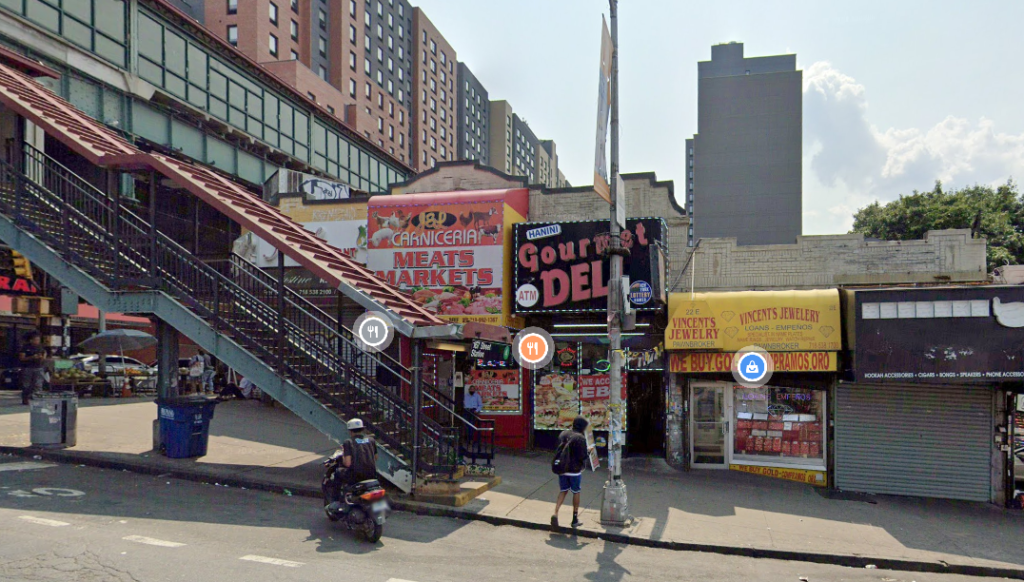
      I chose this deli because it sits directly beneath the 167th Street station, acting as a bridge between the subway and the neighborhood. In NYC, the idea that “we are how we eat” is often about the rhythm of the commute. For many of us, our identity isn’t just “consumer,” it’s “commuter.” We eat based on the time we have between trains or before the walk home. You can see that a deli like this relies on manufactured efficiency. The food here is designed to be fast, portable, and consistent, matching the energy of Jerome Avenue. It shows that our “choices” are often shaped by the city’s infrastructure; the deli is there because the train is there, and we eat there because that’s where our day begins and ends.

      Question: In a neighborhood like Highbridge, does the convenience of a deli like Hanini give us back our time, or does it just turn our meals into another part of the ‘commute’ where speed matters more than the person eating?

      Posted

      in

      by

      0 responses

      To reply, click:

      Retail Site: Hanini Gourmet Deli

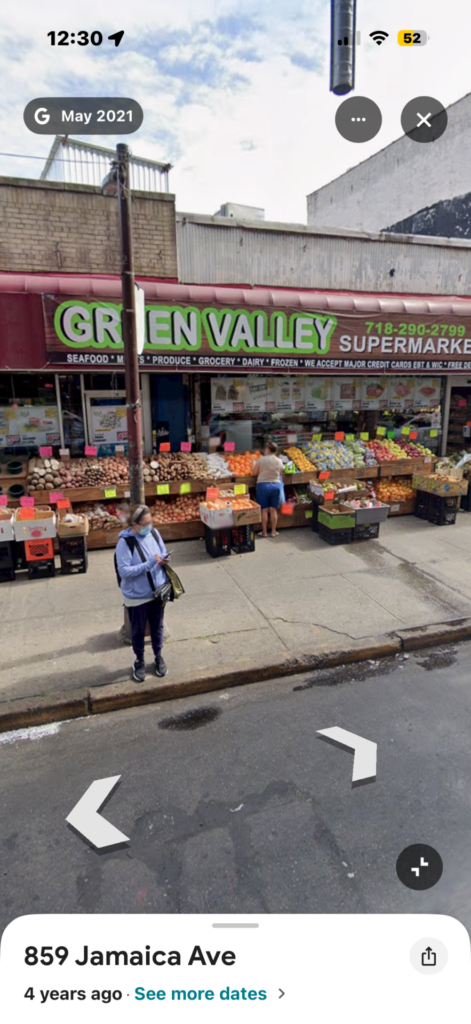
    5. The address for my fruit stand that I choose was 859 Jamaica ave. This fruit stand has been around since I lived in my neighborhood and move here in 2007. I always walk past it on my way to the train station when I go to school or when I take the bus to work. I have even bought mangos, avocado, and banana from this stand. In my neighborhood there isn’t a lot of actual produce stores where my community can go and get produce, there is about 1 ctown and 1 Spanish grocery market aside from this produce spot. Beside that there is more fast food chains like McDonald’s, mamas empanadas, Wendy’s, Popeyes, and Chinese food stores. This reflects our main class topic of “we are how we eat” because of the lack of nutritional foods. While I can’t say this specific produce spot is expensive, other stores that considered remotely close to my community are too expensive. By limiting produce variety and making fast unhealthy food more accessible and affordable, we are now lacking in nutrition. We are deficient in nutrition because we eat food that lacks nutrients. 

      Question:

      Are the result of food oasis places done purposely or just out of lack of attention?

      Posted

      in

      by

      0 responses

      To reply, click:

      Produce Stand on Jamaica Ave

    6. Address: 63 Madison Ave, New York, NY 10016

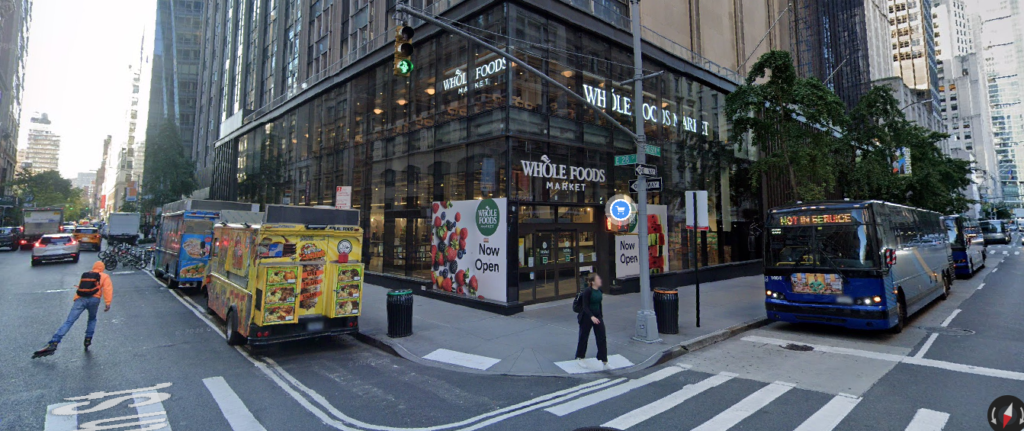
      This Whole Foods is in Midtown Manhattan near Madison Square Park. The crowd that it is catering to is people who live nearby and can afford to make very health conscious choices about the food that they eat. There are two food trucks nearby, which may be trying to attract the Whole Foods shoppers to their trucks. Inside the Whole Foods is also a whole section of prepared foods for sale. This food is not particularly good or cheap, but it is conveniently placed and there is an expectation that the food is healthy.

      In what sort of situation would a shopper at this Whole Foods choose to eat at one of the food trucks before or after shopping?

      Posted

      in

      by

      0 responses

      To reply, click:

      Whole Foods Madison Avenue

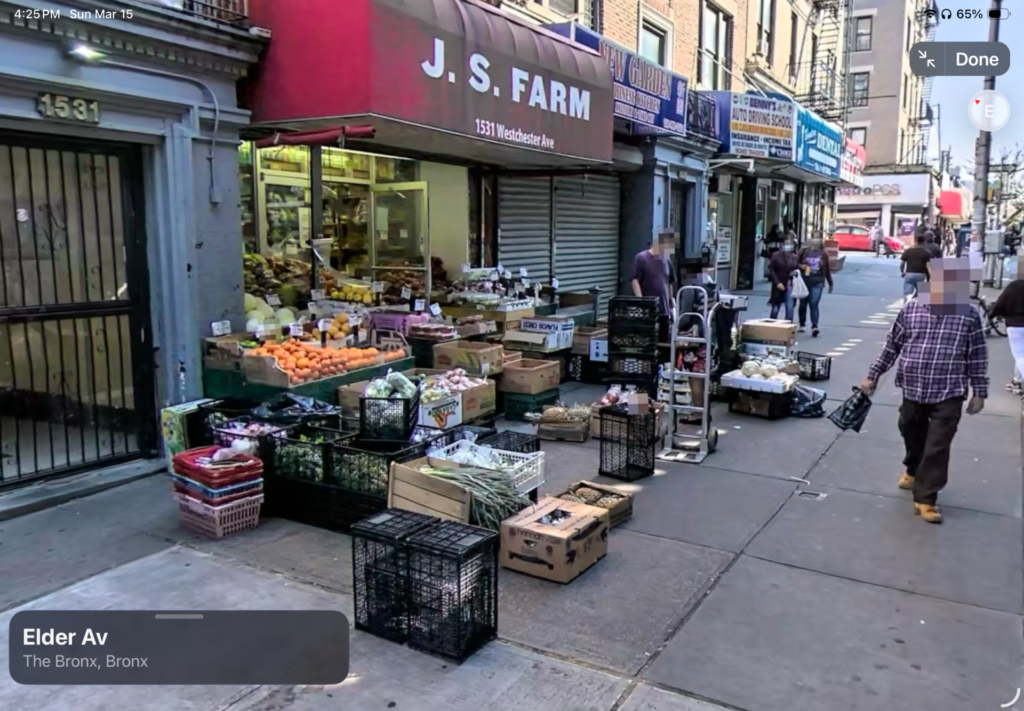
    7. This is a small produce market located under the 6 train in Elder Ave, in the Bronx. This Google Street View shows how the market displays its fruits and vegetables on the sidewalk for people walking by. A few weeks ago, I got some apples for my grandmother, but they were all bad, and we couldn’t eat any. They weren’t as full as they are in the picture. Based on this picture and my experience buying from it, the concept of “we are how we eat” is closely connected to accessibility, environments, and routines. This experience shows us that it is difficult for both the community and these market owners across different seasons, since it is hard to find quality, fresh, and affordable food!

      Question: How does the quality of seasonal food in neighborhood markets affects how people eat?

      Posted

      in

      by

      0 responses

      To reply, click:

      Food retail space: J.S. Farm

    8. Bravo: 81 W 104 ST
      Target: 785 Columbus Ave

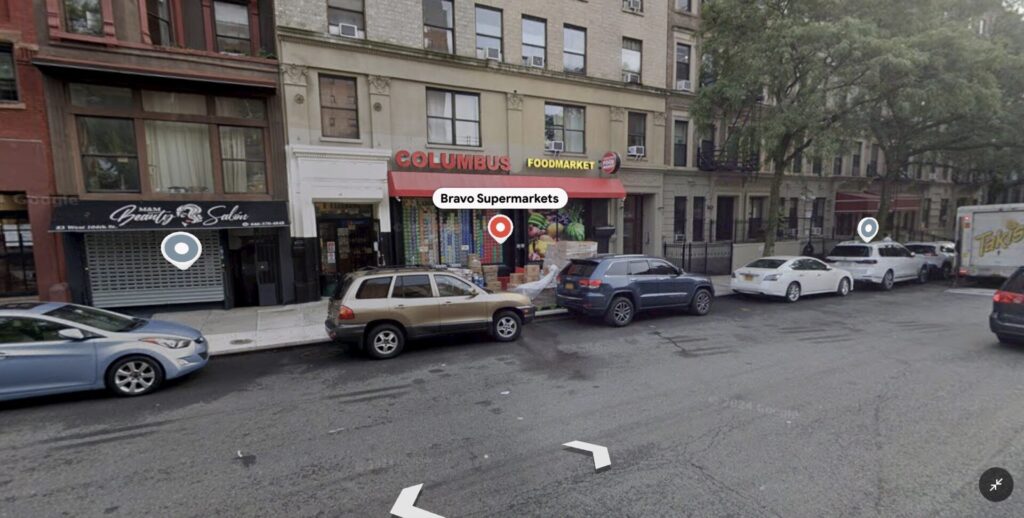
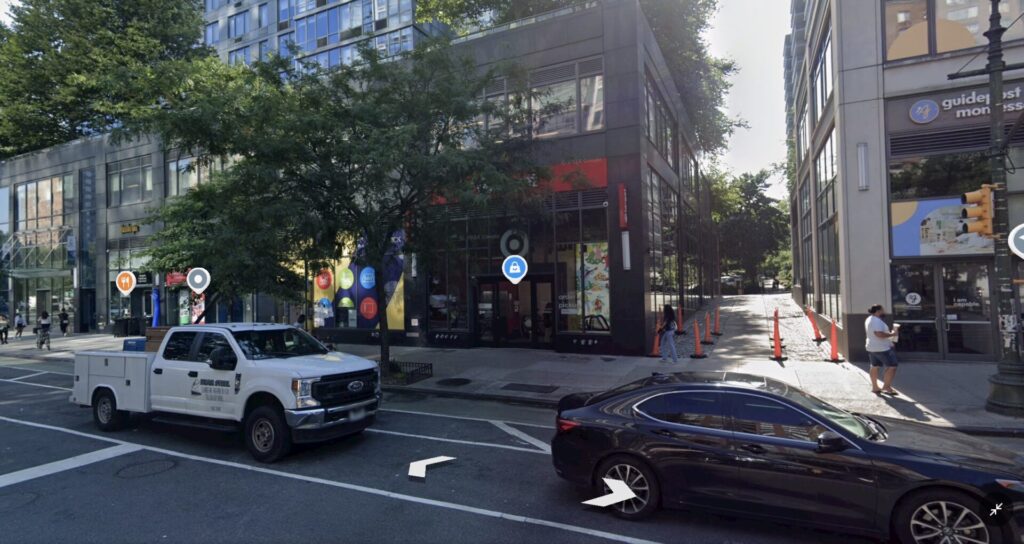
      Above are two retail locations near where I live. There’s a local supermarket called Bravo Supermarket and a Target, like a block or 2 down the street. Not pictured above is a Whole Foods across from Target. I usually go shopping at Target because I believe it’s a bit cheaper and has a greater variety of foods (produce, dairy, and snacks.) My mother, on the other hand, likes to go shopping at Bravo because for her it’s more convenient since they have vegetables like plantains, yams/sweet potatoes, and squash, which she uses a lot in her cooking. However, more recently she has recognized that for 5 items at Bravo, you end up spending at least $50-70. This reminds me of chapter 4 of Will Work for Food because once a retail giant enters the neighborhood, prices of everything skyrocket. Everything has become so expensive that we can’t even buy a short food haul for when we are running low on things. The prices have caused us to make an hour’s journey to Dyckman for when we need to do a bigger food haul. Bravo has probably increased their prices to compete with Target and Whole Foods so they can afford the rent and their employees. A few years ago it wasn’t like this; things were a bit affordable, but now they aren’t, and I believe it’s because of Target and Whole Foods in the neighborhood.
      Question: How does retail giants opening storefronts in marginalized communities affect access to culturally relevant food/food in general and the prices associated with those foods?

      Posted

      in

      by

      0 responses

      To reply, click:

      Retail in the UWS

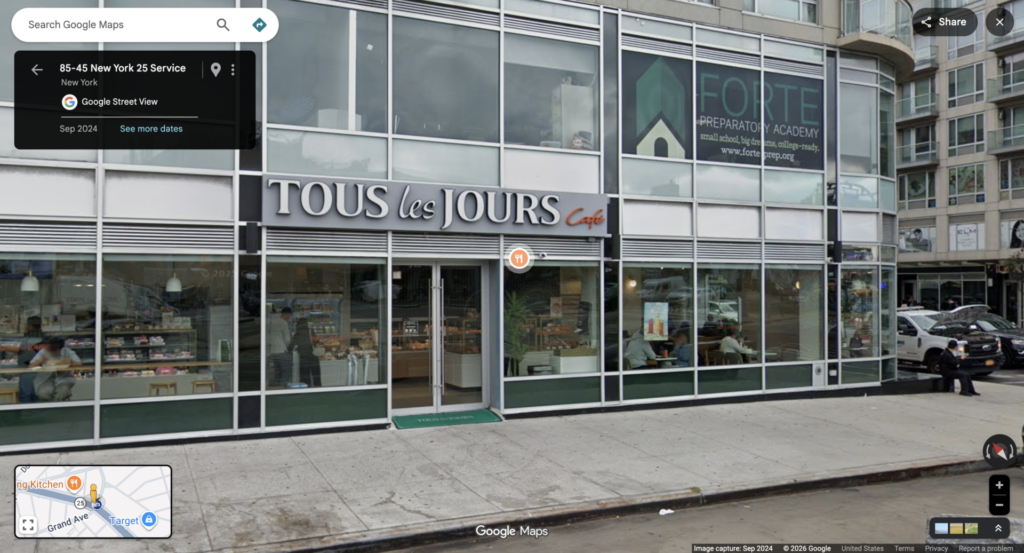
    9. Address: 85-15 Queens Blvd, Elmhurst, NY 11373
      Link: Tous Les Jours Google Maps

      Just 10 years ago, this establishment used to be a large corner of nothing. No buildings, no projects, and no people. Back then, no one would even look this way when walking by this street. There was nothing significant or intriguing to look at. If you look at this same location back in 2020, this building was built and available to rent for retail. Now, this caught the attention of people. It once was an empty piece of land, but now, a modern property has been built to fill that unaesthetic void. Around the year 2023, signs were posted on the windows of this building: “Tous Les Jours, coming soon!”. My mom was excited, my friends were excited, my church was excited, and I was excited. Finally, a new cafe/bakery in the neighborhood was going to open. Once this establishment finally opened, the cafe was so popular and busy. Another thing to indicate before relating to the sociological idea of “we are how we eat,” is that Elmhurst is populated with mostly the Asian and Hispanic community. Thus, through my story of the empty plot becoming a hub for community, this retail space is actually beneficial to the neighborhood. As the Asian and Hispanic community are known for having a collectivist culture, this only drives people to participate more in community building and make Elmhurst a neighborhood for people to bond and socialize. Therefore, Tous Les Jours, a new retail store in Elmhurst is not just there to sell bread, but to provide a space for bringing the population closer together as a community. As we are how we eat, we eat where being together as a community is possible.
      Question: How does the prevalence of cafes and/or bakeries shape the perspective and “friendliness” of a neighborhood? Does more bakeries/cafes mean a more “social” neighborhood?

      Posted

      in

      by

      0 responses

      To reply, click:

      Tous Les Jours Elmhurst

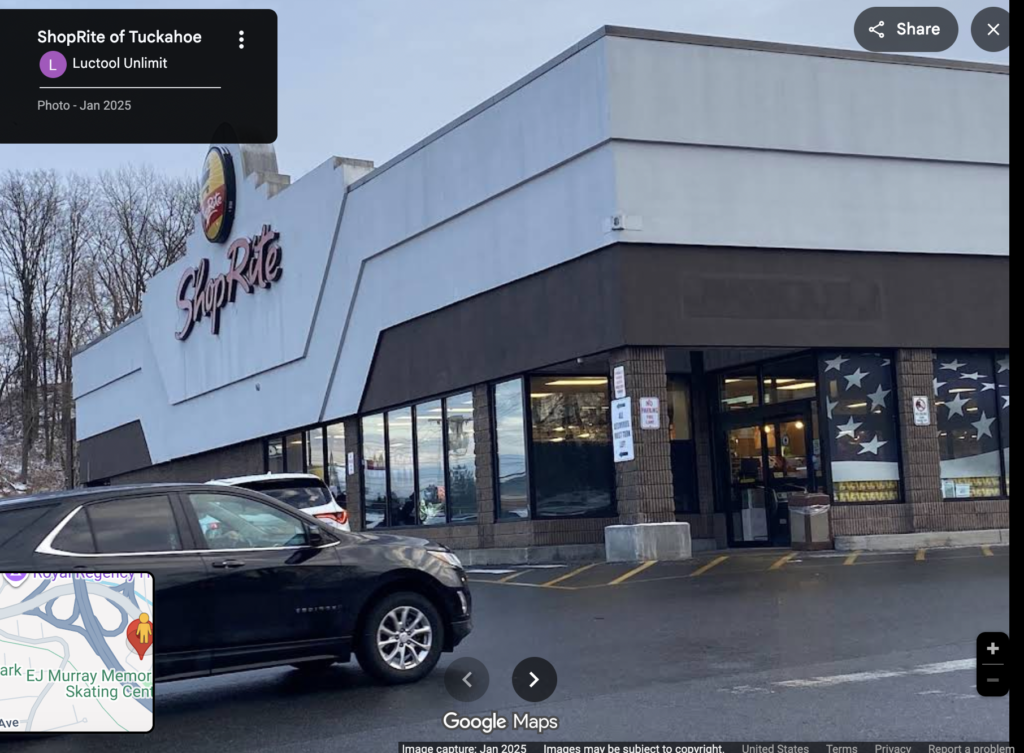
    10. The grocery store ShopRite of Tuckahoe is a good example of how food, shopping, and the local economy can change over time. I have been shopping there since I was about 11 years old, when I first moved to Yonkers. Even though I now live back in the Bronx, I still go there to do most of my grocery shopping. One reason is that the store has a larger selection of products than many grocery stores in my area, and it usually feels more organized and reliable. Over time, it has become a place that many people from nearby communities depend on for groceries and everyday items. This shows how location and a store’s reputation can influence where people choose to shop and what they buy. Even though there are grocery stores closer to where I live, I still travel to ShopRite because it has more variety and a better overall shopping experience. Stores like this attract customers not only because of what they sell, but also because people get used to shopping there and start to trust them. When a store becomes known for having better options, people are often willing to go out of their way to shop there. It also shows how businesses are located in certain areas to attract more customers, since grocery stores near busy neighborhoods or shopping areas usually get more traffic, which can affect where people buy their food and how often they shop.
      Sociological Question: How much do location, product variety, and store reputation influence where people choose to buy their groceries?

      Posted

      in

      by

      1 response

      To reply, click:

      ShopRite of Tuckahoe

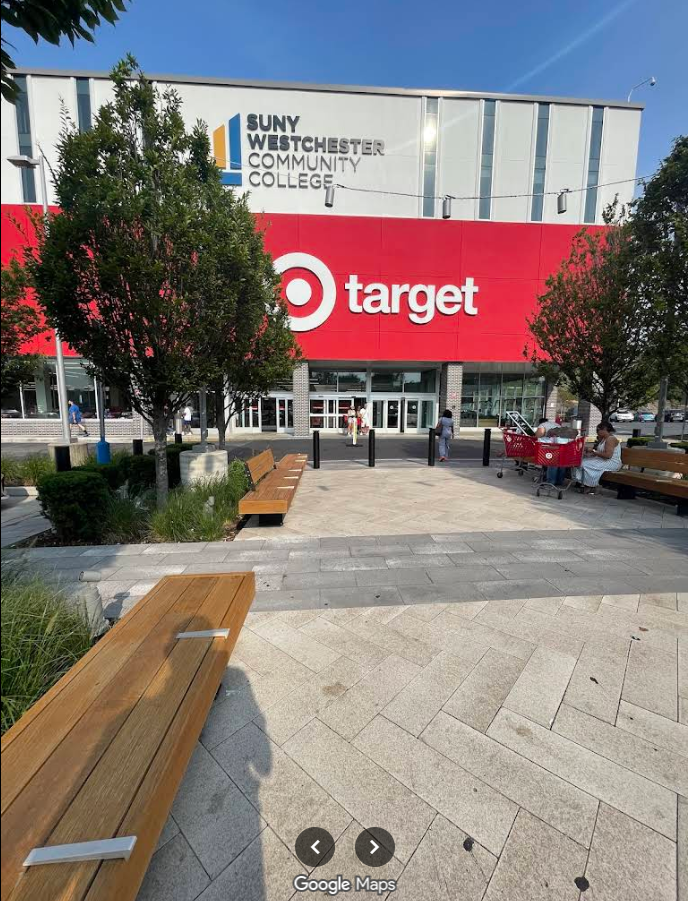
    11. 9005 Xavier Dr, Yonkers, NY 10704, 111 Vredenburgh Ave, Yonkers, NY 10704

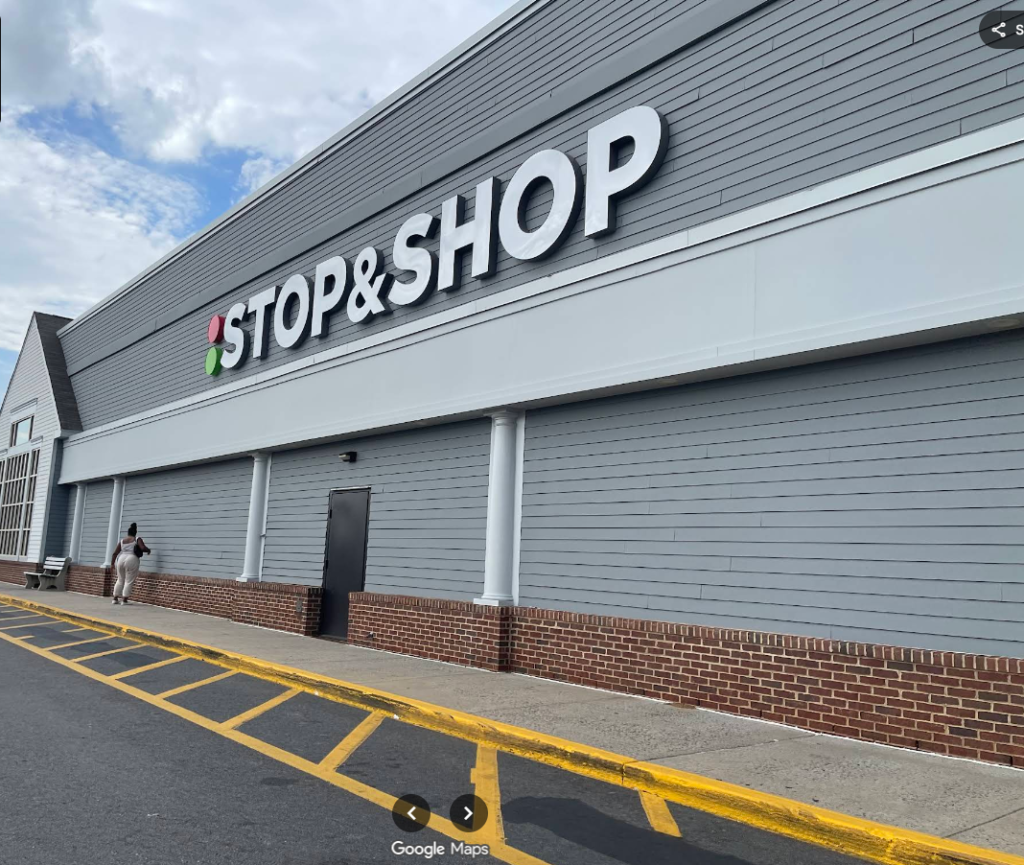
      The addition of a Target being added at Cross County Mall in Yonkers can give us some insight on how the economy changes over time. Previously before there was a Target here, there was a four story Sears that used to be a staple store at the mall in it’s place. Of course with the closing of Sears, the next big store on the block is Target who’s popularity skyrocketed over time. However, what this tells us is shop for what they eat based on image. This is because at Cross County Mall there is also a StopnShop off to the side of the mall when you first enter. If you go shop at StopnShop you can see many people go there to get groceries, but at Target there are more and more people who go there getting all types of goods such as groceries, clothes, technology, etc. This is also affected by the SUNY WCC being added above the Target, further boosting it’s customers. Target is also located in a central point in the mall like Macy’s where its grandiose and it is located at a point where many people will see it entering and leaving the mall. Another point I find interesting is that there is a Starbucks located in the Target but there’s another Starbucks location that is in the middle of mall which points us back to how food and economy can be affected by such things as image and how it is displayed to the average person.

      Sociological Question: Is how we eat and shop a factor that can be controlled through planning such as placing key targets in populated areas?

      Posted

      in

      by

      0 responses

      To reply, click:

      Target at Cross County Mall

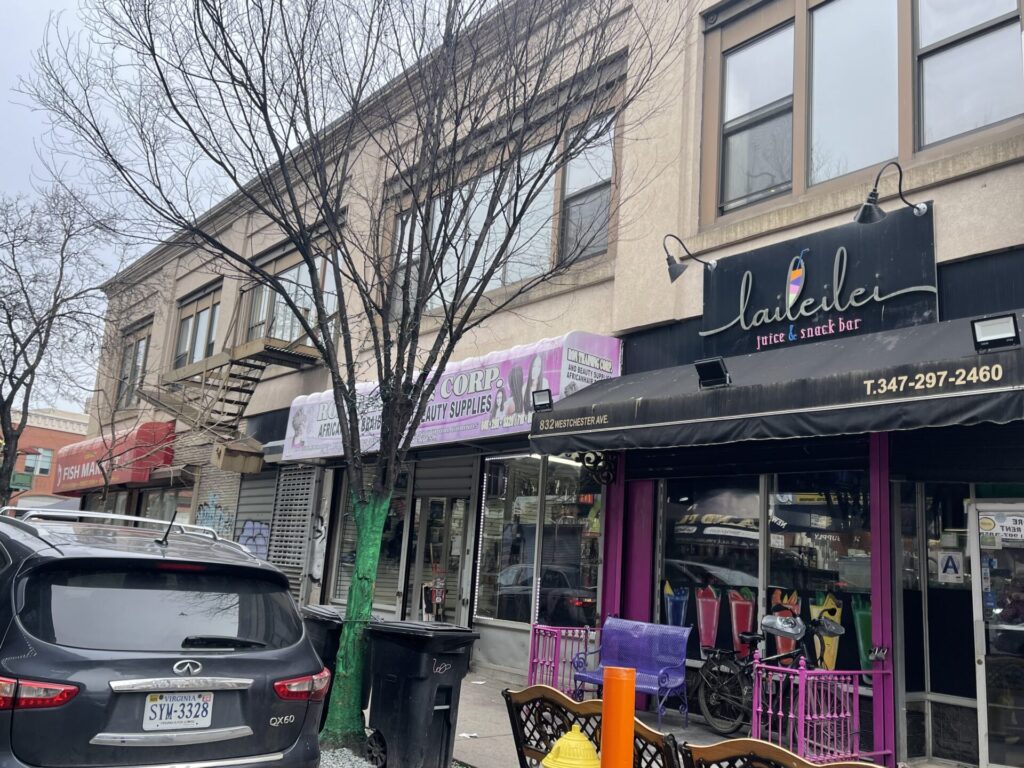
    12. Location – Bronx

      Address – 832 Westchester Avenue, Bronx, NY 10455

      I wanted to analyze my favorite fast food local restaurant that I grew up going to since childhood, this fast food restaurant is called Laileilei – it is a local Spanish fast food place that varies from all the foods that you can imagine – starting with empanadas, they have lots of options like chicken , beef, shrimp, chicken with cheese, beef with cheese, cheese and tostones, they sell rice platters – chicken over rice, lamb over rice, pernil over rice, turkey over rice, etc. They also have juices, wellness shots and smoothies option for those who are watching over their diets and who care about their health. They even have breakfast menu to start the morning off for children, students and families who want a eat something before going to where they need to go. This restaurant is a traditional family catering service that has been in the bronx for about 25 years aiding in helping their customers feel at home and to experience a thrill of Spanish culture. As you can see there are other local stores near Laileilei’s which were added around the corner to fill in space and to also sell their foods, for instance, there was once a McDonalds near Laileilei’s but it got switched to the other side of the street near the train station, which is now replace by a local fish market. This place is located 6 blocks away from where I live on Prospect Avenue where all the Spanish workers and families live so it’s easier for people to go and buy their foods. I like that this place keeps the traditional vibe of Spanish culture and selling local Spanish cuisines, while also selling things that a local deli also sells.

      Questions –

      How does the use of local sourced ingredients affect the quality and authenticity of dishes served in traditional restaurants ?

      How can we as a community keep the local traditions alive in areas without it being more gentrified ?

      Why might customers be willing to pay extra money at a traditional store rather than a regular deli that sell expensive products?

      Posted

      in

      by

      0 responses

      To reply, click:

      Bronx Fast Food Retail

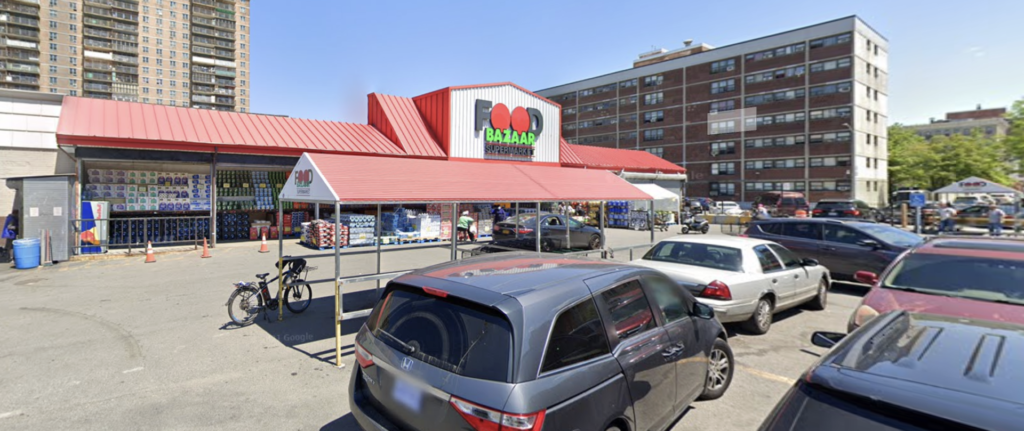
    13. 21 Manhattan Ave, Brooklyn

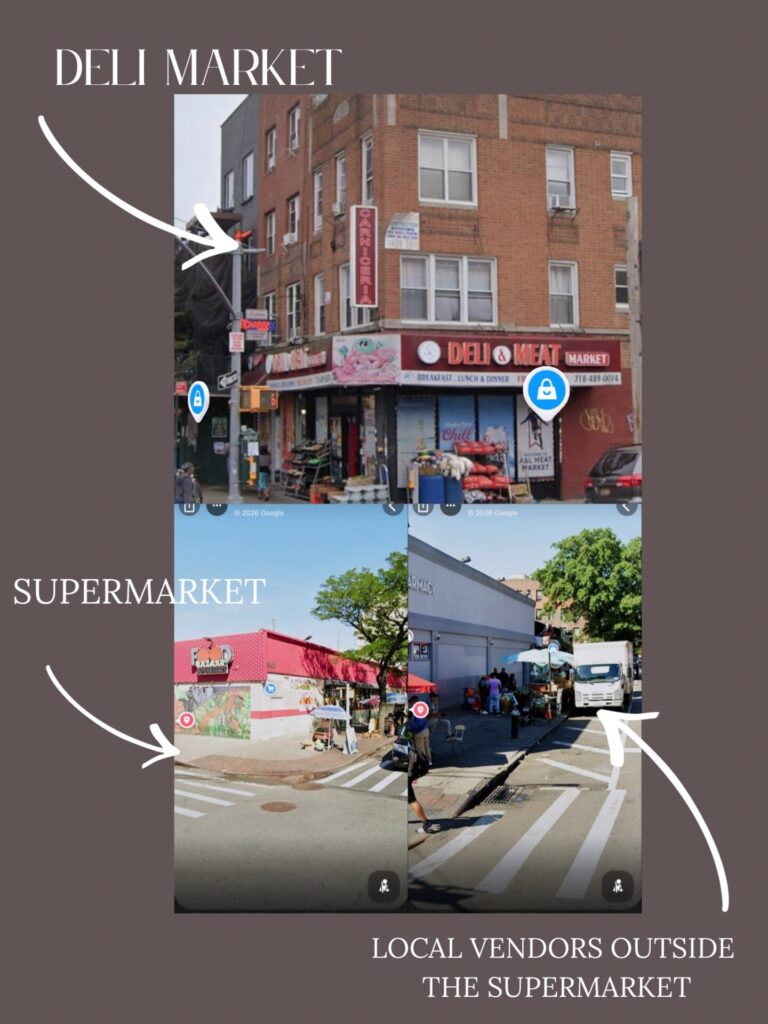
      This area around where I live there’s a local Food Bazaar that’s pretty big and has been around for as long as I can remember. What’s interesting about the location of the supermarket is the fact that there are 4 fast food places approximately a block away. This Food Bazaar isn’t the only supermarket nearby but some individuals prefer going to bigger chain markets like BJ’s to pay their monthly groceries. Many individuals  prefer places like BJ’s because they offer products in bulk and that ends up being cheaper even though you have to pay for a membership and the train or car ride there and back. 

      Question-

      Why do individuals prefer markets like BJ’s instead of going to local markets ?

      Posted

      in

      by

      0 responses

      To reply, click:

      Food Retail

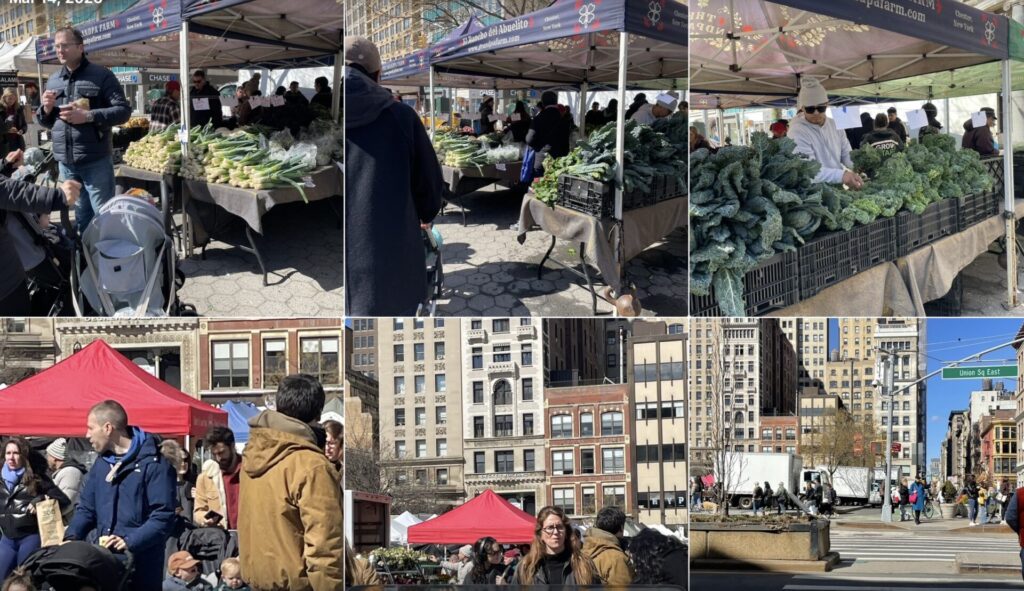
    14. Union Square Greenmarket

      The Union Square Greenmarket, started in 1976 with a couple of farmers selling produce was the first Greenmarket from the nonprofit GrowNYC . Fifty years later it is so much more. It represents New York at its best.“We empower all New Yorkers with equitable access to

      fresh, locally grown food, neighborhood green spaces,

      opportunities to reduce waste, and care for the environment” (GrowNYC report). It is an urban town square.  

      Union Square Market, Manhattan ( Union Square East – Union Square West 15th street-17th street)

      Posted

      in

      by

      0 responses

      To reply, click:

      UnionSquare Green Market