Author: Anon Ahmed

  • (Extra Credit Post) Invisible Labor Behind Everyday Food: Immigration and Food Work in Castle Hill, NYC

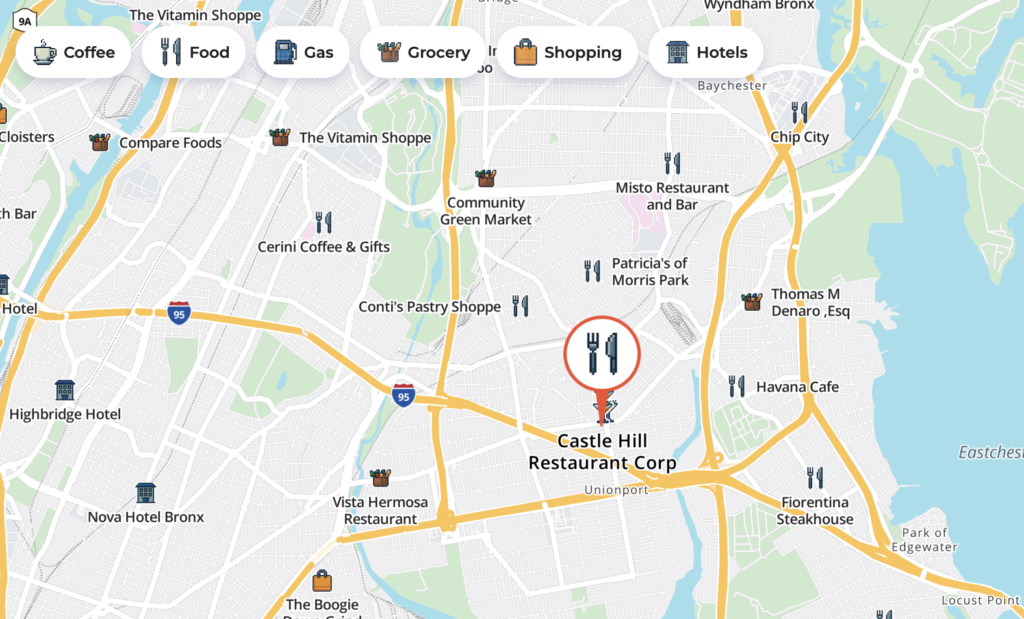
    MAP OF CASTLE HILL

    While researching food businesses in Castle Hill in the Bronx, I started noticing how much New York City depends on immigrant workers to keep the food system running every day. During busy evening hours, restaurants, delis, pizza shops, and takeout places were filled with customers ordering food while workers rushed around trying to keep up. Employees were cooking, taking orders, cleaning, handling cash registers, and preparing delivery pickups all at the same time. Outside many restaurants, delivery workers waited with bicycles and mopeds while checking apps like Uber Eats, DoorDash, and Grubhub for new orders.

    One thing that stood out to me was how invisible this labor can feel. Customers mostly focused on getting their food quickly, but they did not really pay attention to how stressful and demanding the work was for employees. Many workers spoke Spanish with each other and switched to English when talking to customers, which showed how immigrant communities help support these businesses through shared language and community networks. A lot of workers seemed exhausted, especially during rush hours, but they still had to move quickly to keep customers satisfied.

    I also noticed how important affordable food is in working-class neighborhoods like Castle Hill. Many restaurants advertised cheap combo meals and lunch specials because local families depend on inexpensive food after long workdays. At the same time, businesses try to keep prices low by depending on workers to do multiple jobs for low wages. Delivery apps also increase pressure because workers are expected to deliver food faster and faster to earn enough money.

    This research made me realize that food businesses are more than just places to eat. They reflect immigration, hard work, culture, and economic struggles happening across New York City. It also made me think differently about the people behind everyday meals that many of us take for granted.

    Do you think food delivery apps and restaurants are doing enough to support the workers who keep the system running?
  • EATING IN

    The video explains that eating at home can save a lot of money compared to eating out at restaurants or ordering fast food. When people cook at home, they can buy ingredients like rice, vegetables, meat, and spices in larger amounts, which is usually cheaper than buying single meals. The video also shows that restaurant food costs more because you are paying not only for the ingredients, but also for cooking, workers’ salaries, delivery, and business profit. These extra costs make eating out much more expensive over time. Eating at home helps people control their spending and avoid wasting money on takeout or delivery fees. It also allows families to plan meals and use leftovers, which saves even more money. Another benefit is that home-cooked food is often healthier because people can choose what ingredients to use and how much salt, oil, or sugar to add. Overall, the video shows that cooking and eating at home is a smart way to manage money, reduce unnecessary spending, and still enjoy good meals.

    What are some reasons people still choose to eat fast food even though cooking at home is cheaper?

  • https://youtu.be/eWShJzZl7_g?si=3cuToRKCry2scjlU

    The video explains how many popular foods are made in large factories using machines, technology, and workers. It shows foods like chicken nuggets, fries, candy, pizza dough, and chocolate being produced quickly and in huge amounts. From a sociology of food perspective, the video shows how modern society depends on mass food production and processed foods. In the past, many families cooked meals at home using fresh ingredients, but today people often buy frozen or packaged foods because they are faster and more convenient. I can personally relate to this because when my parents first moved from Bangladesh to the United States, they were busy working long hours to support our family. Because of that, we sometimes depended on fast food or frozen meals since they were cheap, quick, and easy to prepare after a long day. This experience helped me understand how work and busy lifestyles affect the way families eat. The factories in the video use machines and conveyor belts to speed up production and make every product look the same. Sociology studies how this affects people, workers, and culture. Workers in food factories may repeat the same job every day, which can make work tiring and less personal. The video also connects to consumer culture because companies advertise foods like nuggets and fries to make people buy them often. Many fast-food companies create strong brands that become part of everyday life, especially for children and teenagers. Overall, the video is not only about how food is made, but also about how modern society, technology, capitalism, and culture shape the way people eat today.

    How does the rise of fast food and processed food factories affect family traditions, health, and the way people connect through food in modern society?

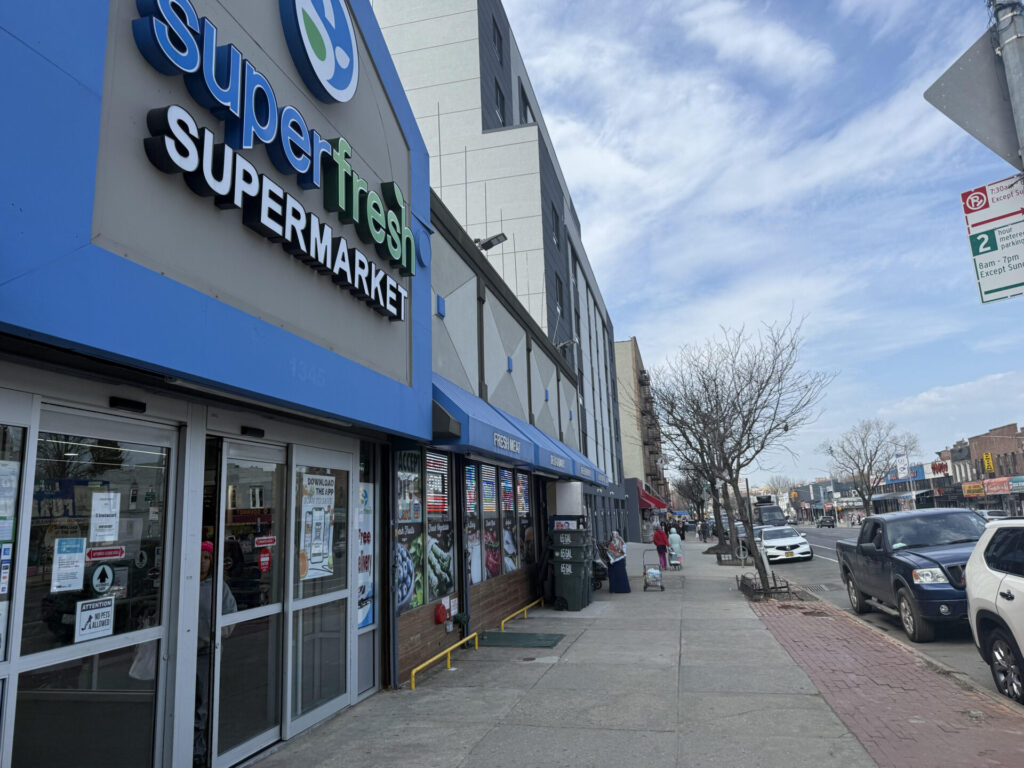
  • Super fresh market in The Bronx

    Chapter 4 of ”Will Work” talks about how retail workers often deal with low wages, long hours, and pressure from management to keep customers happy. The chapter explains that retail jobs may look simple from the outside, but they require a lot of emotional labor. Workers have to stay friendly, move quickly, and handle many tasks at the same time. Many of these workers are part of the local community, and their jobs help keep neighborhoods running every day.

    This idea connects to a supermarket in my area called Super Fresh in the Bronx. Many people from my community shop there for groceries. I often see the same workers every time I go. They are stocking shelves, helping customers find items, and working at the checkout lines. Even when the store is busy, they try to stay polite and helpful. Their work helps families in the neighborhood get the food they need. Just like in Chapter 4, these workers do important labor that people do not always notice.

    Retail stores like this also become social spaces in the neighborhood. People see familiar faces and feel comfortable shopping there. It shows how retail work connects workers, customers, and the community together.

    How do neighborhood retail stores shape the social life and relationships within a community?


  • Skipping Breakfast

    The video explains the importance of breakfast and how many people skip it because of busy schedules in the morning. Breakfast literally means “breaking the fast” after not eating all night. It gives the body energy and nutrients to start the day and helps people stay focused and productive. Many experts say that eating breakfast can support energy levels, concentration, and overall health during the day. However, the video also shows that modern lifestyles make it difficult for people to eat breakfast regularly. Many workers and students wake up late, rush to work or school, and do not have time to prepare food. Because of this, people often skip breakfast or replace it with coffee or a quick snack. When breakfast is skipped, some people may feel tired, hungry, or less focused later in the day. I can relate to this idea from my own experience. Many mornings I do not eat breakfast because I am always rushing to get ready and go to work. I usually wake up, get dressed quickly, and leave the house without eating. Sometimes I just drink coffee or wait until later to eat something. Even though I know breakfast is important, time and work responsibilities make it hard to sit down and eat in the morning. This shows how daily routines and work schedules shape the way people eat and organize their meals.

    How do busy work schedules and economic pressures influence people’s ability to eat regular meals like breakfast?

  • People are refusing to eat out

    The video “People Are Refusing to Eat Out — Here’s Why” explains why many people today are choosing not to eat at restaurants as much as before. The video discusses how the cost of eating out has increased a lot. Prices at restaurants have gone up because of inflation, higher food costs, and higher wages for workers. As a result, many people feel that restaurant meals are no longer worth the price. Some customers also complain that portion sizes are smaller while prices are higher. Because of this, people are deciding to cook at home more often or only eat out on special occasions. The video also talks about how service and tipping expectations sometimes make dining out feel stressful rather than enjoyable. 

    From my experience in college, I can understand this idea. When I go out to eat with my friends after class, we often check the prices first before deciding where to go. Sometimes we want to try new restaurants, but when we see that a simple meal costs $15 or $20, we change our minds. Many times we end up buying cheaper food or sharing meals. Eating together is still important for us because it is a time to talk, relax, and connect with friends. However, the cost often changes our choices about where and how often we eat out.

    How does the rising cost of eating out change the way college students socialize and build friendships through food?

  • Local Bodega/Deli heartstone of the city

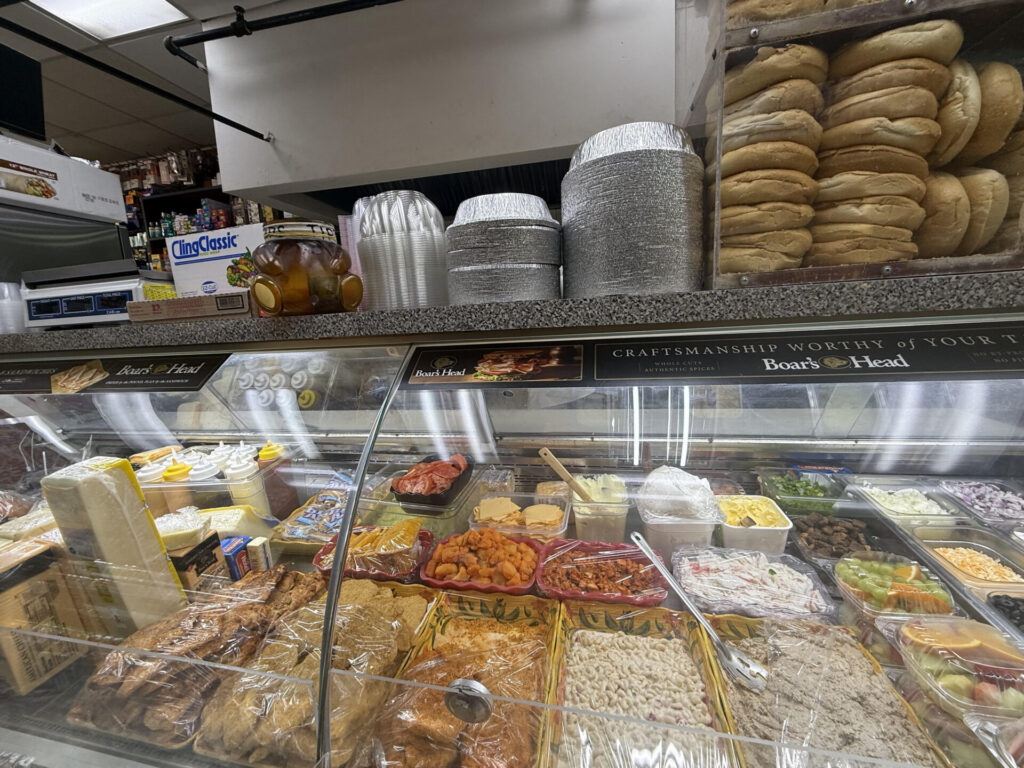
    A deli store is an important part of life in New York City because it brings people together and creates a sense of belonging in such a large and busy place. For me, my deli in the Bronx is more than just a place to buy food. It is a place that feels personal and familiar. As someone who lives and studies in this city, I often stop by the deli during my busy days. The cooks have been working there for many years, and they know my order by heart. I do not even have to explain what I want because they already remember it. This makes me feel valued and respected as a customer.

    When I walk into the deli, they greet me warmly, and it feels like I am part of a small community. In a city as large as New York, it is easy to feel unnoticed, but my deli makes me feel seen. Watching the cooks work so hard every day also inspires me. Their dedication and long years of service show commitment and loyalty. My deli is not just important to the neighborhood; it is important to me personally because it represents comfort, routine, and connection in my daily life.

    How does my local deli in the Bronx show the importance of small businesses in New York City communities?
