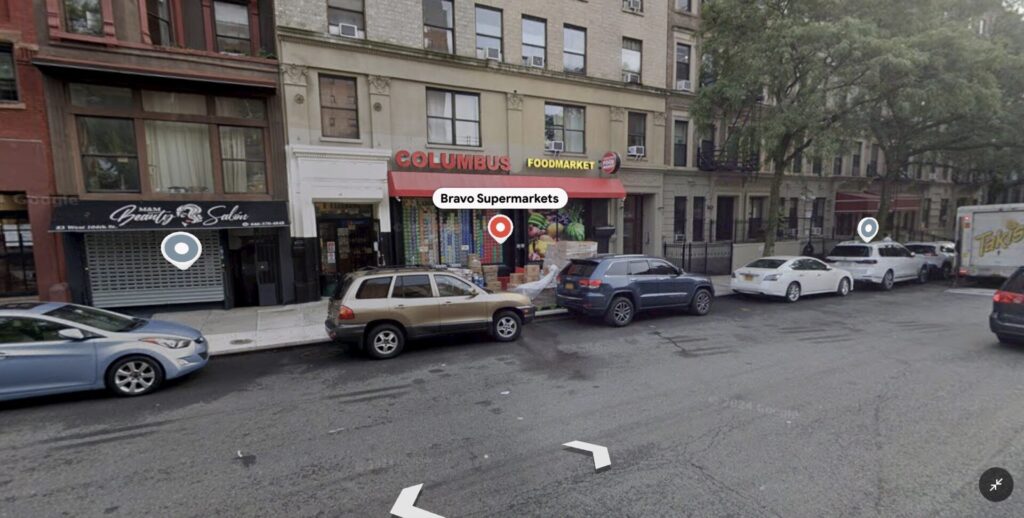
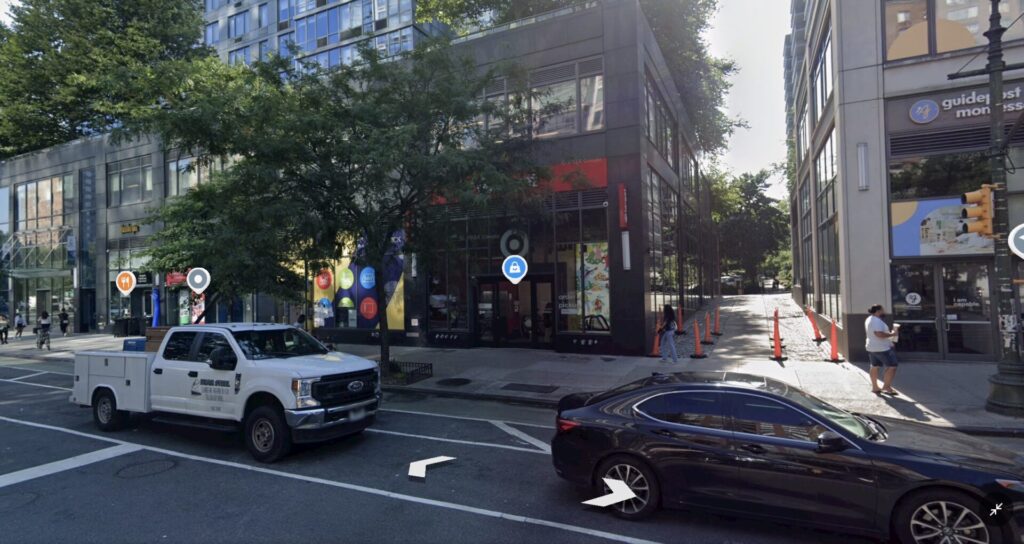
Above are two retail locations near where I live. There’s a local supermarket called Bravo Supermarket and a Target, like a block or 2 down the street. Not pictured above is a Whole Foods across from Target. I usually go shopping at Target because I believe it’s a bit cheaper and has a greater variety of foods (produce, dairy, and snacks.) My mother, on the other hand, likes to go shopping at Bravo because for her it’s more convenient since they have vegetables like plantains, yams/sweet potatoes, and squash, which she uses a lot in her cooking. However, more recently she has recognized that for 5 items at Bravo, you end up spending at least $50-70. This reminds me of chapter 4 of Will Work for Food because once a retail giant enters the neighborhood, prices of everything skyrocket. Everything has become so expensive that we can’t even buy a short food haul for when we are running low on things. The prices have caused us to make an hour’s journey to Dyckman for when we need to do a bigger food haul. Bravo has probably increased their prices to compete with Target and Whole Foods so they can afford the rent and their employees. A few years ago it wasn’t like this; things were a bit affordable, but now they aren’t, and I believe it’s because of Target and Whole Foods in the neighborhood.
Question: How does retail giants opening storefronts in marginalized communities affect access to culturally relevant food/food in general and the prices associated with those foods?

