Author: Fariha R. Khan

  • The Biological Shadow: Behind The Plate

    Every morning I wake up, look at my stomach, and hope Winston Churchill is rotting in his grave. While that might sound like a reach, my biology is actually keeping a very specific, very bitter receipt. Most people look at the metabolic crisis in the Bangladeshi community of New York City and call it a “lifestyle phenomenon,” a polite way of saying we just make poor dietary choices. But this framework is lazy; it ignores the deep historical and structural forces that shape a body long before it ever reaches a doctor’s office. What the medical system labels as a personal failure is, in reality, the biological residue of a two-century sequence of colonial extraction, reproductive violence, and systemic labor exploitation. The disproportionate rates of diabetes and metabolic syndrome among Bangladeshi Americans are not random; they are a physical record of historical trauma landed in the bodies of people who are then told the problem is simply what they eat.

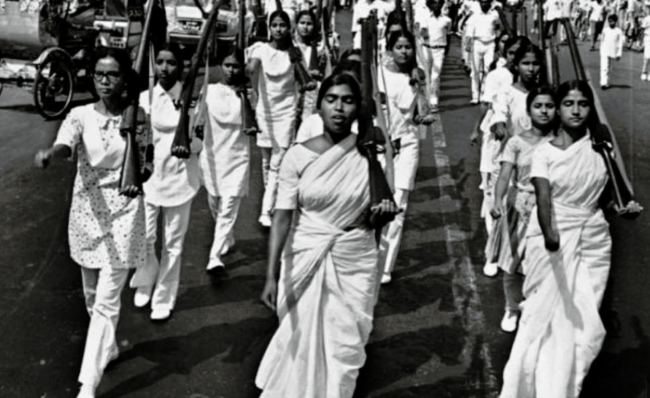
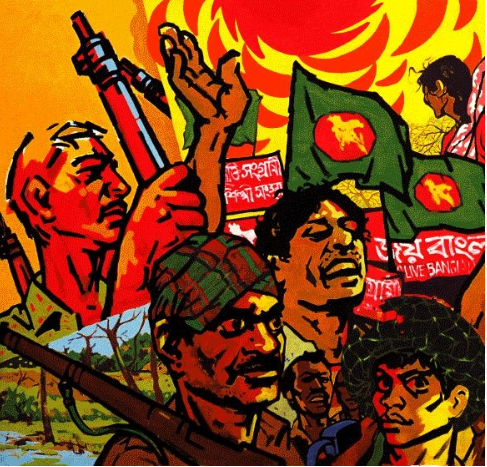
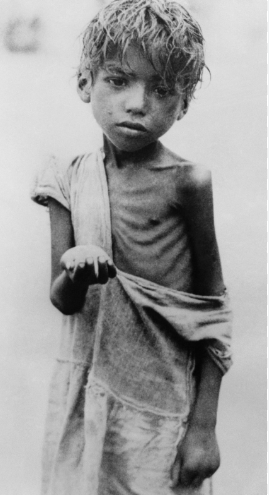
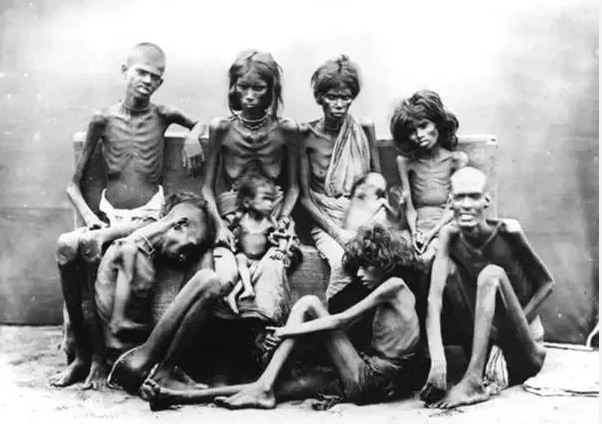
    During nearly two centuries of British rule, Bengal’s self-sufficient food systems were dismantled to serve metropolitan markets through cash crop mandates like indigo and jute. This led to 31 famines in just 190 years, a staggering increase from only 17 famines in the preceding two millennia. This cycle of extraction continued into the 1971 genocide, where a campaign of reproductive violence and state-sponsored famine targeted the biological continuity of the Bengali nation through the bodies of women. Emerging research indicates that such severe maternal trauma and acute nutritional deprivation leave an “epigenetic signature” on offspring. These changes to DNA methylation patterns alter stress responses and hormonal regulation, creating a heightened metabolic vulnerability that persists across generations. For the grandchildren of survivors, the risk of disease is not just about today’s diet, but about the starvation and violence our ancestors endured decades ago.

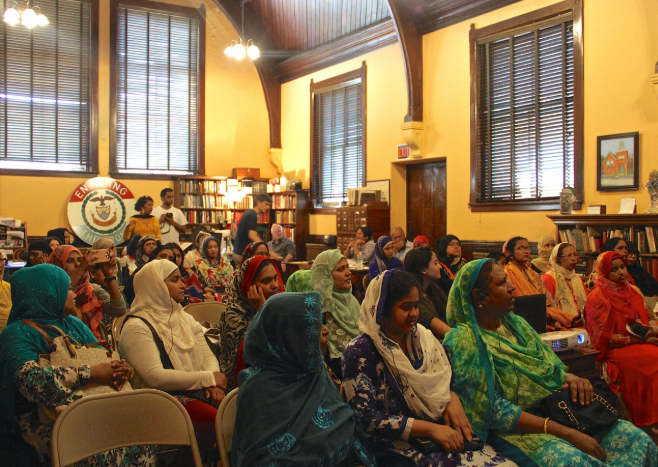
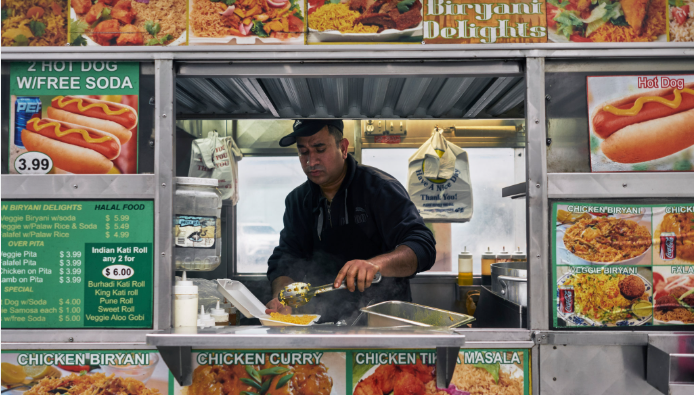
    In New York City, this biological vulnerability meets a modern food system built on a similarly extractive logic. While the male street vendor at the halal cart is the visible face of this labor, a largely invisible “female architecture” sustains the entire community. In the Bronx, 74% of Bangladeshi women are overweight or obese by South Asian standards, with staggering rates of diabetes and hypertension. These women often carry a “triple burden”: the formal labor of healthcare where they work grueling 24-hour shifts as home health aides, the informal community food preparation that feeds the city’s workforce, and the unpaid domestic management of the household. Working a 24-hour shift on poverty wages in a body that already carries the biological imprint of generational deprivation is the kind of compounded physical stress that manifests as chronic disease.

    The tragedy of this crisis is compounded by a medical system that measures our bodies against the wrong standard. Western BMI cutoffs were designed for European populations, yet South Asians face metabolic risk at much lower thresholds, overweight at 23 rather than 25, and obese at 27.5 rather than 30. By relying on dietary counseling and generic metrics, the public health framework effectively undercounts the risk and ignores the chronic physical stress of 12-hour vendor shifts and 24-hour care shifts. To see this “biological shadow” is to acknowledge that a sociology of food cannot just be about taste; it must account for the colonial histories embedded in the bodies doing the cooking and the women sustaining them at home.
  • Manufactured Convenience: How the TV Dinner Changed the Way We Eat

    1955 Swanson TV Dinner Commercial

    In the mid-1950s, the Swanson TV Dinner was marketed not just as a meal, but as a revolutionary solution to “liberate” the housewife from the kitchen while simultaneously accommodating the modern husband’s unpredictable schedule. By packaging a full meal in a compartmentalized aluminum tray, manufacturers physically institutionalized the shift from the family dinner table to the living room, effectively tethering the domestic experience to the rise of mass media. This transition highlights how food manufacturing serves as a primary driver of social change, transforming deeply embedded cultural rituals like the shared family meal into efficient, industrialized moments of consumption.

    Sociological Question: While industrial food manufacturing like the TV dinner offered a way to alleviate the burden of time-consuming domestic labor, how did the shift from the home kitchen to the factory fundamentally alter the way we value care work and communal social life?

  • Subway Stop: 161st Street – Yankee Stadium | 4, B, D trains

    Foodscape Map

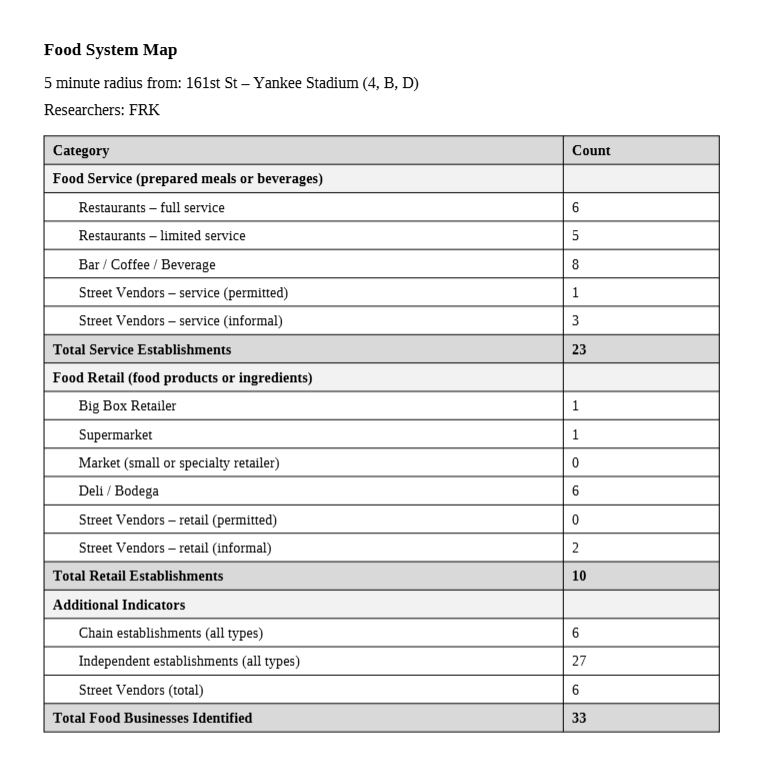
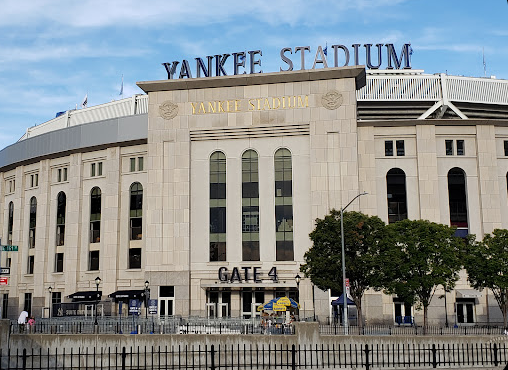
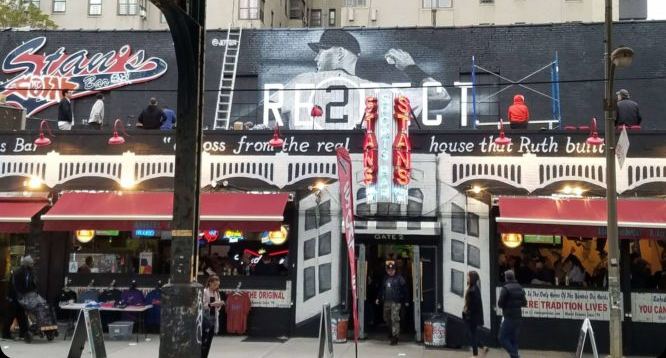
    Foodscape Description: The foodscape within a 10-minute radius of the 161st Street – Yankee Stadium station is dense and split into two distinct food environments that rarely overlap. The blocks immediately surrounding the stadium are saturated with sports bars, nearly all of which operate primarily on game days, creating a corridor of fan-oriented food and drink that functions as an extension of the stadium rather than a neighborhood amenity. Inside the stadium itself, corporate concessions capture visitor spending entirely before it reaches the surrounding streets.
    Moving away from the stadium, the foodscape becomes markedly more independent and community rooted. Full-service restaurants, breakfast counters, and bodegas open as early as 5 am serve a predominantly Dominican, Caribbean, and West African residential population. Spanish dominates signage and conversation. Menus reflect the cuisines of the diaspora communities that live here, plantains, oxtail, jerk chicken, jollof rice, at prices calibrated for working-class budgets. Several small delis operate on delivery platforms under different names than their storefronts, suggesting an informal integration into the app economy that is largely invisible from the street.
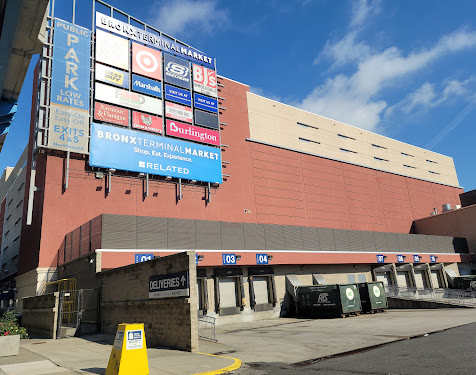
    Retail food access is uneven. The neighborhood’s primary full-service supermarket sits inside a commercial mall rather than at street level, and the closest standalone grocery to the station has drawn consistent complaints from residents about inflated prices. Bodegas fill the gap for daily staples. Street vendors, primarily informal, appear throughout the corridor and represent a precarious but visible layer of the food economy, subject to enforcement that the stadium’s own movable concession stands do not face.
    The dominant pattern is one of coexistence without exchange, two food worlds sharing a zip code but serving entirely different populations.

    Foodscape Counts Table:

    Yankee Stadium: Serves as the primary corporate food and beverage operator for the area, characterized by centralized management and branded concession concepts.

    Stan’s Sports Bar: Located in the immediate vicinity of the stadium, this establishment operates primarily as a beverage-focused social space during scheduled game-day events.

    Bronx Terminal Market: This large-scale commercial development houses national retail chains, representing the area’s transition toward centralized, corporate-managed food and retail distribution.

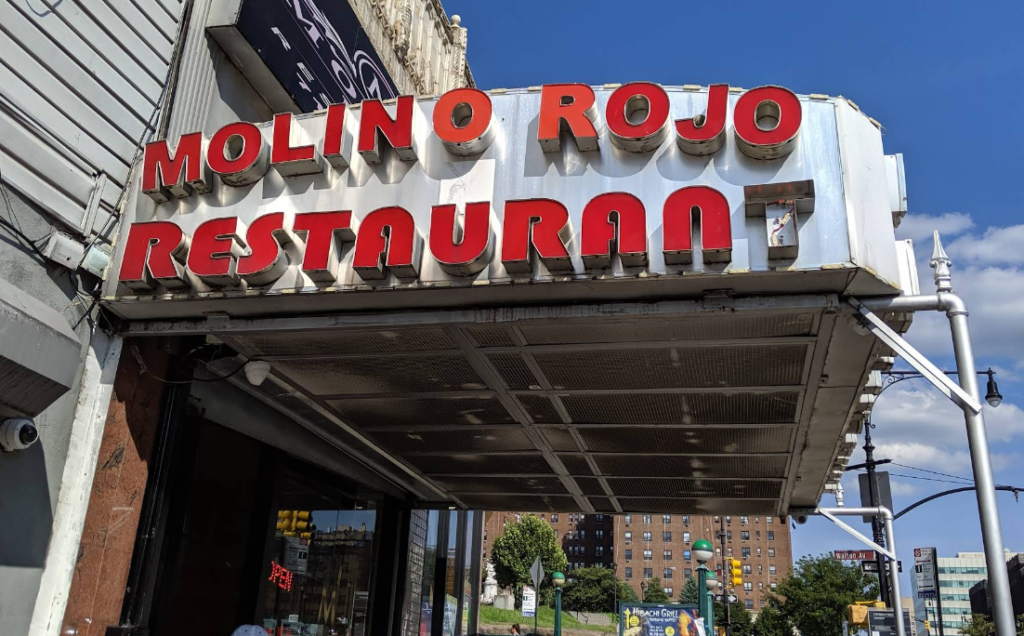
    Molino Rojo Restaurant: This establishment functions as a full-service restaurant, providing prepared Dominican meals through a business model structured around direct staff-customer interaction.

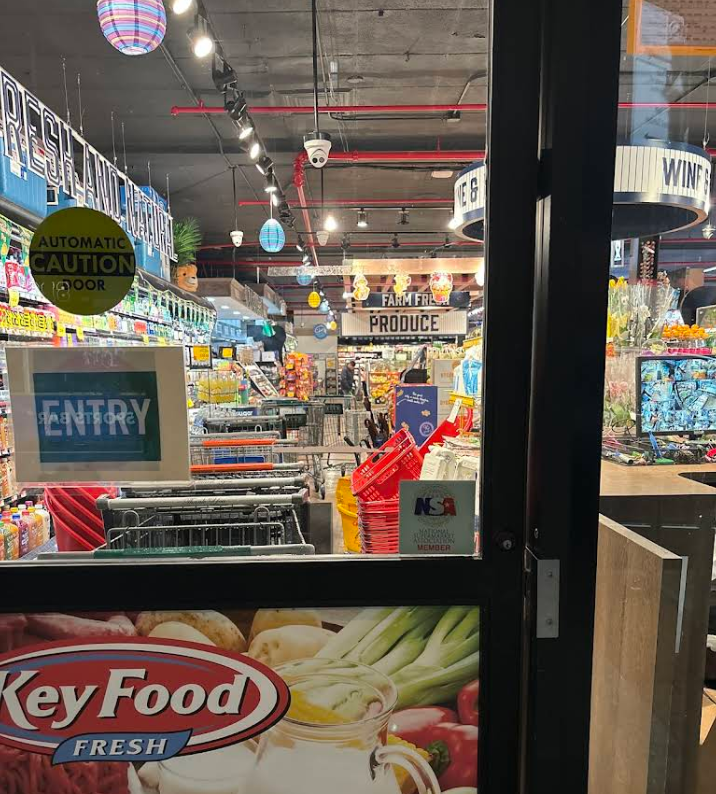
    Key Food Supermarket: This location operates as a standard retail supermarket, providing a range of food products to serve the daily grocery needs of the surrounding population. “Yankee’s supermarket.”

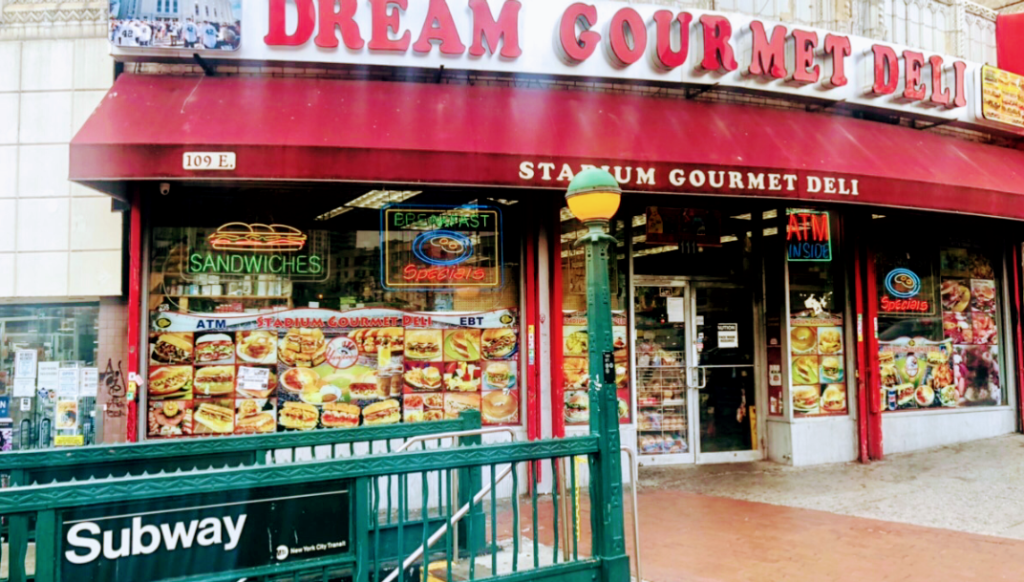
    Dream Gourmet Deli: This 24-hour bodega provides prepared food services and is integrated into digital delivery platforms for localized neighborhood access.

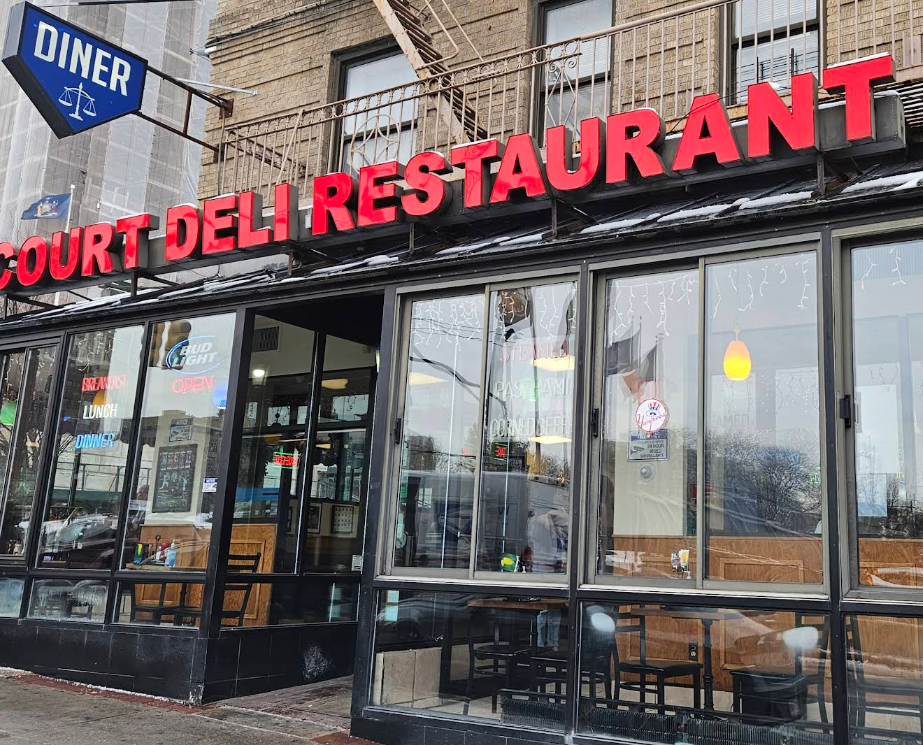
    Court Deli: Established in 1936, this site functions as a full-service deli and diner, maintaining operations that align with the schedules of nearby civic institutions.

  • Retail Site: Hanini Gourmet Deli


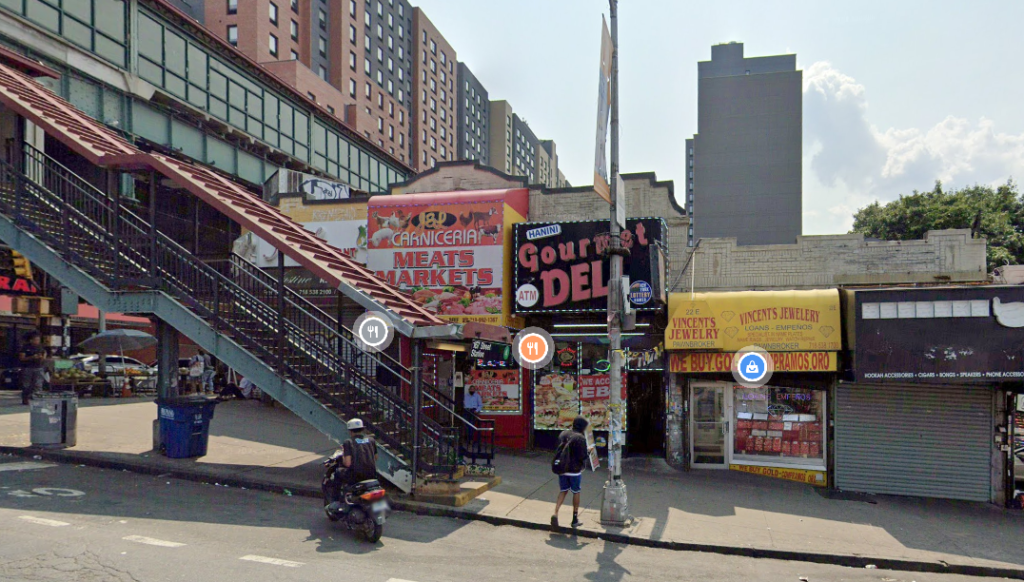
    Address: 24 E 167th St, Bronx, NY 10452
    I chose this deli because it sits directly beneath the 167th Street station, acting as a bridge between the subway and the neighborhood. In NYC, the idea that “we are how we eat” is often about the rhythm of the commute. For many of us, our identity isn’t just “consumer,” it’s “commuter.” We eat based on the time we have between trains or before the walk home. You can see that a deli like this relies on manufactured efficiency. The food here is designed to be fast, portable, and consistent, matching the energy of Jerome Avenue. It shows that our “choices” are often shaped by the city’s infrastructure; the deli is there because the train is there, and we eat there because that’s where our day begins and ends.

    Question: In a neighborhood like Highbridge, does the convenience of a deli like Hanini give us back our time, or does it just turn our meals into another part of the ‘commute’ where speed matters more than the person eating?

  • More Than Just Drinks: Performance and Power in NYC Nightlife

    NYC bottle service is marketed as a high-end party, but it’s actually an intense form of work where waitresses are paid to sell a “vibe.” Beyond just serving drinks, these women have to perform a specific kind of high-energy, glamorous personality to make customers feel like VIPs. This video shows how, in the nightlife industry, a worker’s mood and appearance become part of the product being sold.

    Question: While bottle waitresses are hyper-visible as symbols of the club’s ‘brand,’ what forms of ‘hidden labor’ or social risks do they navigate behind the scenes that traditional food service workers might not encounter?

  • The Invisible Cook: How Bangladeshi Labor Built the “Indian” Restaurant Empire

    This video highlights how the public sphere of cooking often relies on the complete erasure of the “invisible” culinary worker, as Bangladeshi immigrants were forced to hide their true cultural identity to participate in the hospitality market. It demonstrates that when cooking moves into the commercial sphere, immigrant laborers must frequently package their work to fit the dominant culture’s colonial imagination, stripping away their own history to serve a sanitized commodity.

    Sociological Question: How does the commercial necessity for Bangladeshi chefs to rebrand themselves as ‘Indian’ illustrate the power of the consumer’s gaze in dictating which immigrant identities are considered ‘marketable’ in the global food system?

  • Party of 1: The Radical Act of Eating Alone

    Choosing to eat out alone as a woman is a subtle but meaningful act of resistance to the gendered norms that shape restaurant spaces. Dining rooms have long been organized around assumptions of male independence or heterosexual coupledom, which means women are often expected to appear in relation to others rather than as autonomous subjects. Sitting down alone interrupts that script. It resists the idea that women must be accompanied, socialized, or accounted for to belong in public. In doing so, the solo diner confronts the pitying or suspicious gaze that often follows women who occupy space without a clear social anchor. What looks like an ordinary meal becomes a quiet assertion of the right to inhabit public space on one’s own terms.

    Question: If a woman can enter a restaurant freely but is still met with ‘pitying gazes,’ has the dining room actually been desegregated, or have we traded legal barriers for psychological ones?

    Opinion | Don’t Pity a Woman Eating Alone – The New York Times (we have a 4-year free membership to NYT! I highly recommend this article).

  • “Labor of Love” at Home: How Warmth, Hospitality, and Culture Mask Exploitation

    This video illustrates the concept of reproductive labor by showing how essential food work, especially when carried out by women of color, is often described as “tradition,” “duty,” or religious expectation instead of being recognized as real economic activity. This framing supports sociological arguments that the so‑called private sphere is a political space where patriarchal systems depend on women’s ongoing exhaustion to sustain households, culture, and social relationships. The pressure to perform flawlessly in the kitchen without support or autonomy reflects Rajeev Patel’s argument that women are central to the food system, yet denied meaningful sovereignty. By presenting this dynamic as a form of “weaponized religion” or culture, the video reveals how religion and culture are used to extract value from women without compensation, agency, or acknowledgment. It ultimately shows that the home functions as a site of labor exploitation that is just as consequential as the industrial farm or factory.


    Question: If the “warmth” of a culture relies on the invisibility and exhaustion of women’s labor, can we view “hospitality” not just as a social virtue, but as a mechanism of patriarchal control that preserves male status at the expense of female agency? Furthermore, how does the “sacred” nature of food work in religious or cultural contexts make it harder for women to organize or demand “sovereignty” compared to wage laborers in the public sphere?

    @whodoibecome

    Why is “simplicity” only encouraged when women’s labor isn’t what’s funding the meal? If hospitality disappears without women cooking, you need to sit down and think about the hypocrisy of it all. Religion and culture have always been weaponised to exploit women, to keep them subjugated and tired, to treat them not as people, but utility. #hospitality Exploitation of women’s labor | women’s unpaid labor | men’s hypocrisy | cultural burden of hospitality | culture is patriarchy | misogyny | weaponizing religion.

    ♬ original sound – whodoIbecome
  • Sandy Ground: The Forgotten Black Oystermen

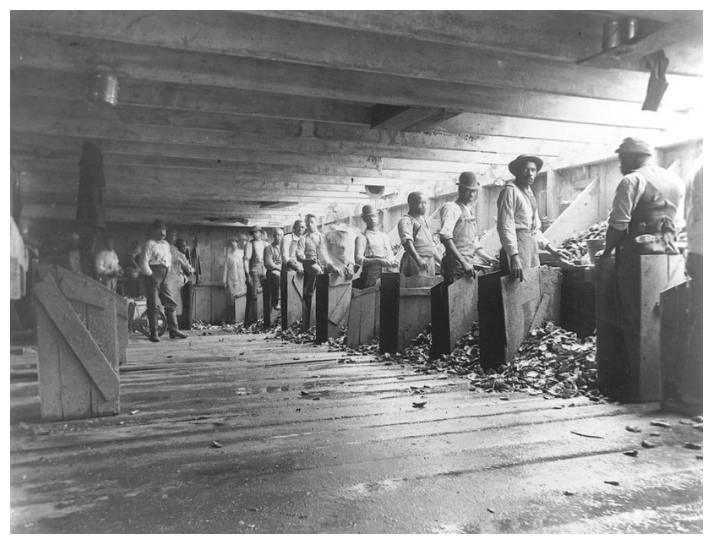
    Sandy Ground represents a critical historical era in the New York City food system where Black communities leveraged the oyster industry to achieve economic autonomy and land ownership. By migrating from restrictive political environments in Maryland to the rich oyster beds of Staten Island, these watermen transformed “sandy ground” into a self-sustaining hub of Black intellectual and social life. This history highlights how food-based labor can serve as both a tool for resistance and a foundation for self-determination within a community.

    Question: How did racialized labor in the oyster industry shape access to land, autonomy, and community formation for Black workers in early New York City, and what does this reveal about the relationship between food work and social mobility?