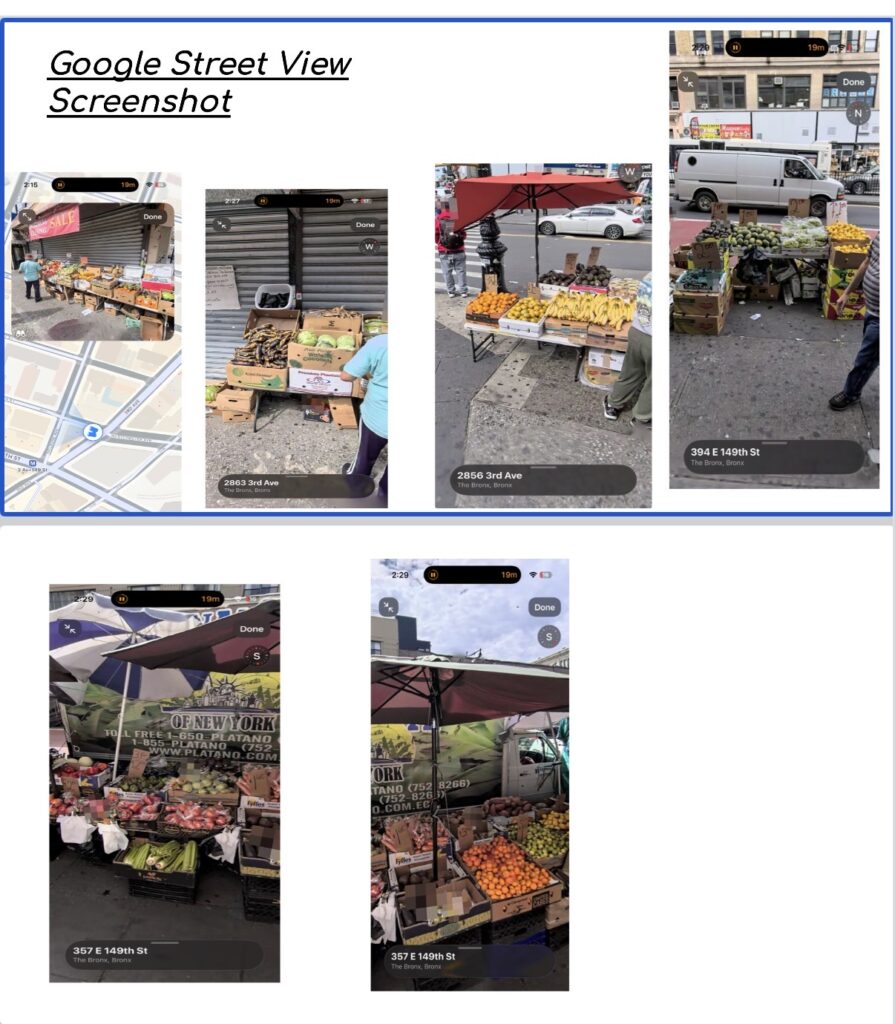
• Screenshot

    Whenever I go out to college or my home. Which is close to  2 or 5 trains on 3rd Avenue in the Bronx. As you can see in the photos, there are several street vendors on the corners of the street selling various fruits and vegetables at lower prices than those found in supermarkets. As shown in the photos, the prices vary from $1, $2, $3, etc. Notice that you can see the quality  of the fruit and vegetables. I have purchased many times and talked to them; in the photos, you can see the accurate address of the vendors. Observing this worker, we can see the idea they talk about in class, “We are what we eat,” because some workers don’t receive government assistance, and what they earn is enough to pay for necessities and buy food at a low price. It represents different immigrants of various income levels, races, religions, and cultural values.

     In the article “Protecting Street Vendors is Protecting NYCs Immigration Soul” by David R. Jones talked about politics and immigration related to street vendors and the importance that are in the community that are hard working long hours talk about the “permission” needed to sell food. Also said that, “Street vending is an essential economic engine and a vital means of survival for thousands of New Yorkers. According to the Street Vendor Project, more than 20,000 street vendors operate in NYC, and the vast majority, around 90 percent, are immigrants who speak limited English and face barriers to traditional employment. These workers sell food, art, flowers, clothing, and more, often standing on their feet for 10 to 14 hours a day, simply to make ends meet. Many of them are immigrants from Latin America who have come to our city with the dream of forging a better future for their families.Street vending is not only about individual survival. It’s also about economic impact. The Urban Justice Center estimates that NYC street vendors contribute more than $293 million annually to the city’s economy. Their businesses create jobs, draw foot traffic to struggling retail corridors, and provide affordable, diverse food options to working-class neighborhoods. They are, quite literally, feeding our city in more ways than one.” “…….In today’s climate, with federal threats looming and anti-immigrant rhetoric rising, NYC must go further to protect its street vendors. That means accelerating the pace of permit releases, cutting red tape, and creating pathways to permanent business ownership. It also means shielding vendors from NYPD over-policing and ensuring city agencies treat vendors as small business owners, not criminals.” (by David R. Jones)

     This article is a good example of the struggle the immigrant suffers every day with different weather. They come to work to give the children better opportunities .They spend 10 to 14 hours on their feet just to meet their daily sales targets  that are set for them, internet videos surfaced showing these immigrants being detained by the police; when subjected to violence and mistreatment, some would flee to avoid deportation.

    QK:

    How can we, as a community, unite to help street vendors? 

    Who suffers discrimination and mistreatment in these immigration cases? 

    Where are their stalls destroyed and their merchandise confiscated?

    citations

    Protecting Street Vendors Is Protecting NYC’s Immigrant Soul. (2025, June 19). Cssny.org. https://www.cssny.org/news/entry/protecting-street-vendors-is-protecting-nycs-immigrant-soul
    Food and Society (SOC 325)

    Posted

    in

    by

    0 responses

    To reply, click:

    Street Venders

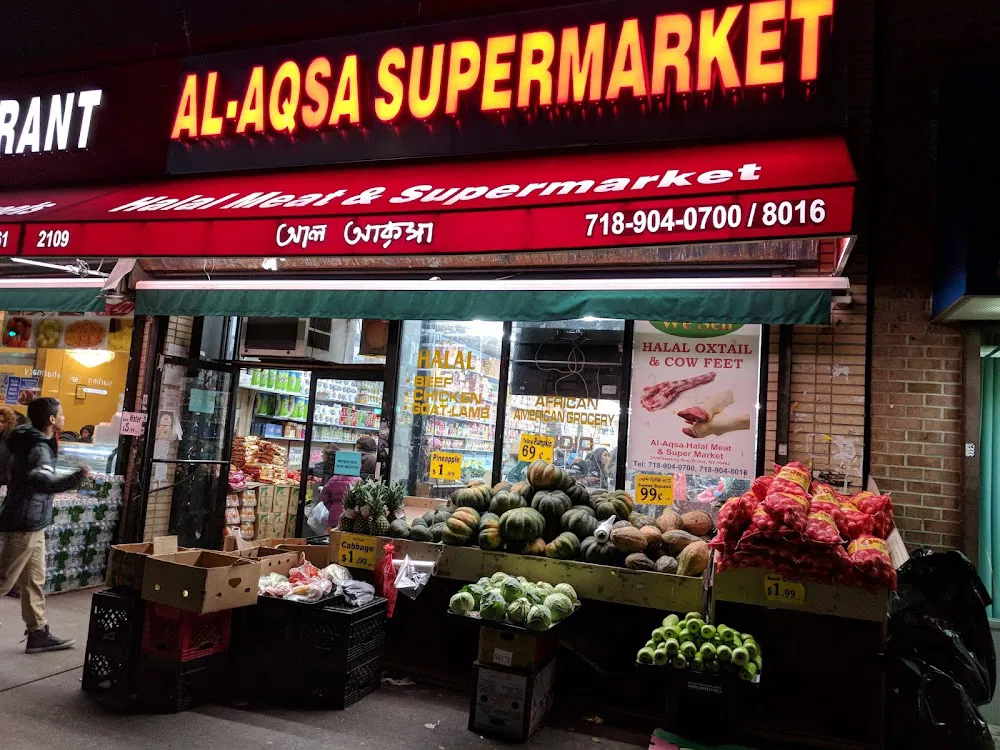
  • Adress : 2109 Starling Ave, Bronx, NY 10462
    This is a supermarket I have been to probably the most in my past 8 years of my life. I have went past this place back and forth a billion times and my parents have sent me to do grocery countless of times. I have pretty much grew up around this supermarket to the point where I remember I used to ask for snacks from my mom when she would pick me from school and now when I pick my little brother from his school he does the same to me. I always get these specific treats that reminds me back to home and you could only find in these Bengali supermarket, which are things like the PRAN brand mango bar and they are so addictive, and the other item is potato crackers/chips and the ring chips. The snacks will be my key memory reminder from my days back in my country and thats why I will always have a special connection to this supermarket. In the same way, talking about food labor and immigrant food cultures shows how places like ethnic stores help communities keep their identities. In this case, the supermarket is more than just a place to buy food. It’s a place of cultural memory, family customs, and a sense of community. This shows how people’s eating habits show who they are and where they come from.

    Questions : How do ethnic grocery stores like this one help immigrant communities maintain their cultural identity, and how might these food spaces shape the next generation’s connection to their heritage?

    Posted

    in

    by

    0 responses

    To reply, click:

    Retail : Al-Aqsa Supermarket

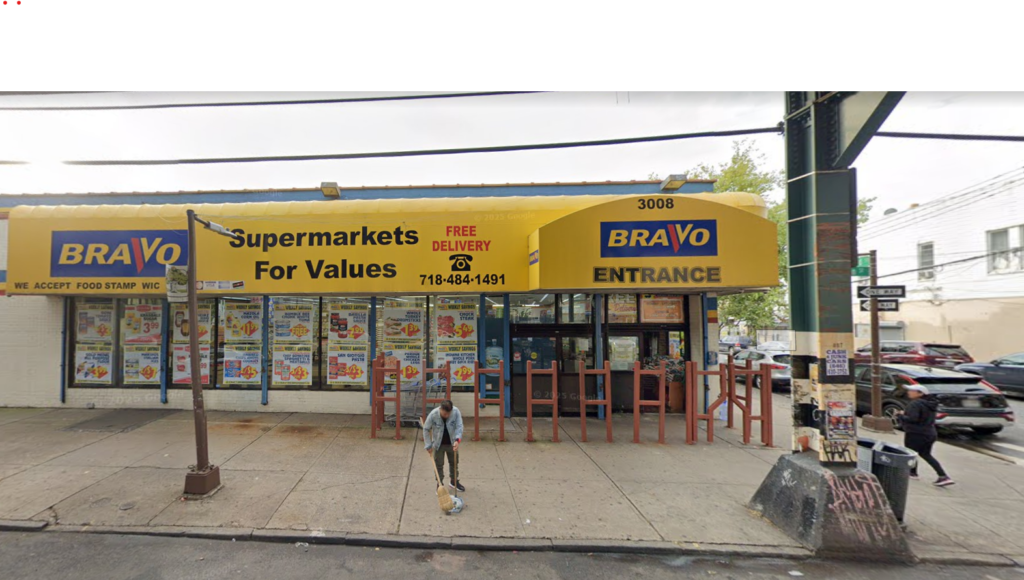
  • Observing this Bravo Supermarkets location in my neighborhood, Cypress Hills shows how food spaces mirror social and economic conditions. This supports the sociological idea that we are what we eat. The storefront highlights affordability. Signs such as “Supermarkets for Values,” acceptance of food stamps and WIC, and free delivery indicate that the store caters to working-class residents who need budget-friendly groceries. The many advertisements on the windows emphasize discounted staple foods. This illustrates how price and accessibility influence dietary choices in neighborhoods where many residents must prioritize cost over specialty or organic foods commonly found in wealthier areas.From a sociological perspective discussed in class readings, food environments are not neutral. They reflect inequalities in income, race, and neighborhood investment. Unlike upscale grocery stores found in gentrifying areas, this space shows how local grocery stores serve as community resources. They focus on affordability and necessity, which shapes what people eat and influences how health, culture, and identity develop through food practices.

    Q:How do neighborhood grocery stores like this Bravo Supermarkets influence the types of food people regularly consume, and what does that reveal about class, inequality, and access to healthy food in urban communities like Cypress Hills?

    Posted

    in

    by

    0 responses

    To reply, click:

    Cypress Hills Food Retail

  • Screenshot

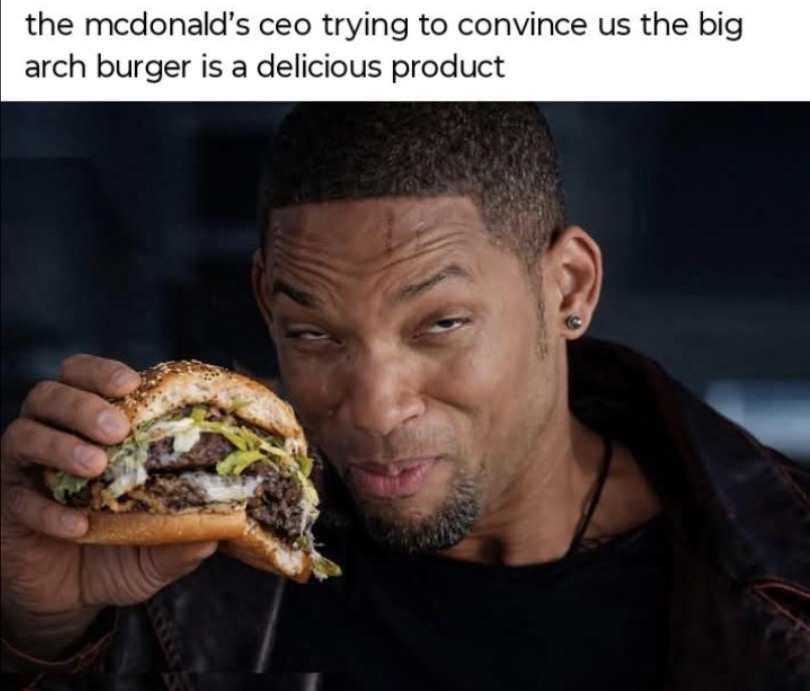
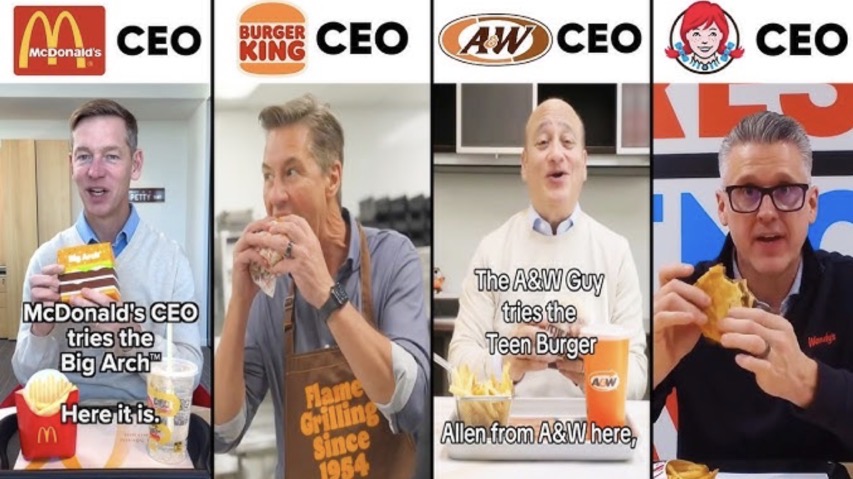
    This meme shows us the comparison between the different burger taste tests that CEO’s been doing as a response, since the McDonald’s CEO video went viral so other fast food chain companies were making parodies as an advertisement response to the original video, the McDonald’s video seems very scripted and corporate, even as if he has never seen a McDonald’s burger before. Food work is heavily connected to culture, community, identity, and care. Adding to this idea it is important to think about how intentional we are when it comes to how our food is prepared and consumed. CEO’s represent the brand as a business but are not connected to the labor that it takes to make these burgers, these CEO’s are detached from the intention and the impact on the communities. 

    Question: Why would the CEO of McDonald’s call this new burger a “product” when it is an everyday affordable meal to most communities?  

    Posted

    in

    by

  • https://www.deloitte.com/us/en/Industries/consumer/articles/future-of-restaurants-study.html?utm_source=chatgpt.com

    The article describes the ways in which the restaurant industry is changing in response to economic pressures, changing consumer behaviors, and technology. The study identified some of the major trends in the restaurant industry, such as the fact that customers are still interested in eating out but are becoming increasingly price-conscious and seeking value for money, the role of technology in the restaurant industry, and the ways in which the restaurant industry is using technology such as automation and artificial intelligence. The study also identified the ways in which the restaurant industry is diversifying its growth strategies.In terms of the connection between food and society, the study identified that the restaurant industry is an indicator of the ways in which society is changing. The study identified that the restaurant industry is changing in response to the ways in which people are living their lives and the ways in which technology is changing their daily interactions.

    How are technology and convenience changing the way people interact with food and restaurants in modern society?

    Posted

    in

    by

    0 responses

    To reply, click:

    Food Service Future

  • Posted

    in

    by

    0 responses

    To reply, click:

    Eating out is not an entitlement.

  • NYC bottle service is marketed as a high-end party, but it’s actually an intense form of work where waitresses are paid to sell a “vibe.” Beyond just serving drinks, these women have to perform a specific kind of high-energy, glamorous personality to make customers feel like VIPs. This video shows how, in the nightlife industry, a worker’s mood and appearance become part of the product being sold.

    Question: While bottle waitresses are hyper-visible as symbols of the club’s ‘brand,’ what forms of ‘hidden labor’ or social risks do they navigate behind the scenes that traditional food service workers might not encounter?

    Posted

    in

    by

  • @est.2580

    WENDY’S PRESIDENT FIRES SHOTS AT MCDONALD’S CEO — SAYS THE ONE THING HE NEVER WANTS TO HEAR In response to the McDonald’s CEO’s viral on-camera taste test, Wendy’s President just walked into the kitchen, grabbed a Baconator, and started praising their “fresh, never frozen beef.” But then came the moment that caught people’s attention. He joked about the Frosty machine… and fired off a direct shot at McDonald’s: “Oh wait… our machines are always working.” So now the burger CEO videos have turned into something else entirely: McDonald’s. Burger King. A&W. Now Wendy’s. Fast food executives are suddenly on camera eating their own burgers… and now they’re taking shots at each other too. Are we watching the start of a full fast food burger war? Wendy’s #viral #fyp

    ♬ original sound – Live Love Laugh

    This week there has been a bit of shade thrown between the fast food giants. The McDonald’s CEO took a small bite of a new burger, or “product,” which caused people to analyze the video more deeply. Since then other fast food CEOs have been taking shots at McDonald’s, including Wendy, whose president is above cooking “fresh never frozen” beef for a burger and whose Frosty machine is working better than McDonald’s McFlurry machine. This video highlights the difference between the fast food giants’ kitchens and quality; Wendy’s is allegedly fresher/better than McDonald’s “beef.”

    Question: How does knowing what is inside your fast food impact the way you eat? OR Who is the target audience of the TikTok and how are class dynamics playing into it?

    Question: How does the kitchen from above and the kitchen from your local fast food chain differ?

    Posted

    in

    by

    1 response

    To reply, click:

    Wendy Vs McDonald’s

  • The video here examines a restaurant Jungsik – a Korean fine dining restaurant based in NYC down near Chambers Street close to Soho. The video examines the head chef maintaining a solid three star Michelin score which beats any other Korean restaurant who are their competitors. The head chef of the restaurant addresses two main factors of why the restaurant is so amazing and why everyone enjoys the food – the quality of the food and the consistency of how they make the food. The video shows us how the setup is like during each shift and who is on shift during the rush hour, they start off by who will be in the front of house taking orders, providing the service for the customers, and they shoe the back of house where the cooks are on preparation for each dish. The video showed how each station is assembled in the BOH before the service begins at their opening time, each person who is working the BOH is stationed where they plan to work during service. Something that stood out to me is how he navigates through the prices of each dish, he acknowledges that the food at the restaurant is expensive yet he finds ways to accommodate the menu in ways people get their money’s worth and such as maintaining the proportions of the food that is serve

    Question – Do higher prices necessarily guarantee better food quality, or can the prices that are served for each dish reflects the marketing that is showed to people rather than the actual quality?

    Posted

    in

    by

  • Around holiday times people think only about home-cooked meals and going home to spend holidays and breaks with their families. However, people do not acknowledge the amount of labor and effort people are putting into so that their families could have certain foods that being a turkey to cook at home, cooked ham, premade mashed potatoes, and sweet potato casserole, etc. During the holidays, people buy a lot of food either to cook at home or already made, and it is putting a lot of strain on the workers. The workers are not getting paid a sufficient amount for their labor and here in certain states they were protesting against it and going on strike. I found this very interesting because we see that food service people are essential workers and they are not getting paid a price that matches this high demand.

    Posted

    in

    by

    0 responses

    To reply, click:

    Food service workers going on strike

  • The video “Cultural Shift: Women’s Roles in the 1950s” by NBC News Learn explains how women during the 1950s were often expected to stay at home and take care of the house, children, and cooking. Society pushed the idea that a woman’s main role was to support her husband and manage the home. Today, in 2026, kitchen culture has changed a lot because both men and women work in professional kitchens and also share responsibilities at home. Even though things have improved, there are still conversations about gender roles in restaurant kitchens, especially in leadership positions like head chefs.

    How have changing gender roles influenced who works and leads in kitchens today compared to the 1950s?

    Posted

    in

    by

  • Eating out can be shaped by different aspects, not just by the food itself. When I went to the Romo restaurant, I noticed a very long line of people waiting outside because there were already a lot of people there. This was due to the fact that they didn’t have reservations. This made my experience interesting because I could see how excited many people were to eat at that restaurant, since it’s a nice place. It made me wonder why people are willing to wait just to eat at a specific restaurant. Sometimes people go to certain places because they are popular or trending at the moment, especially through social media. This shows that eating out can be influenced by popularity, status, and social trends. However, not everyone has the financial stability to treat eating out as a “choice” or as something they can do just to follow trends. For many people, where they eat depends more on affordability and access rather than popularity.

    Question:
    How might the popularity or trendiness of a restaurant influence who can eat there, and can that trendiness also shape how people experience the food itself, making it seem better simply because the place is popular?

    Posted

    in

    by

    0 responses

    To reply, click:

    ‘Eating Out’ in an era of trends

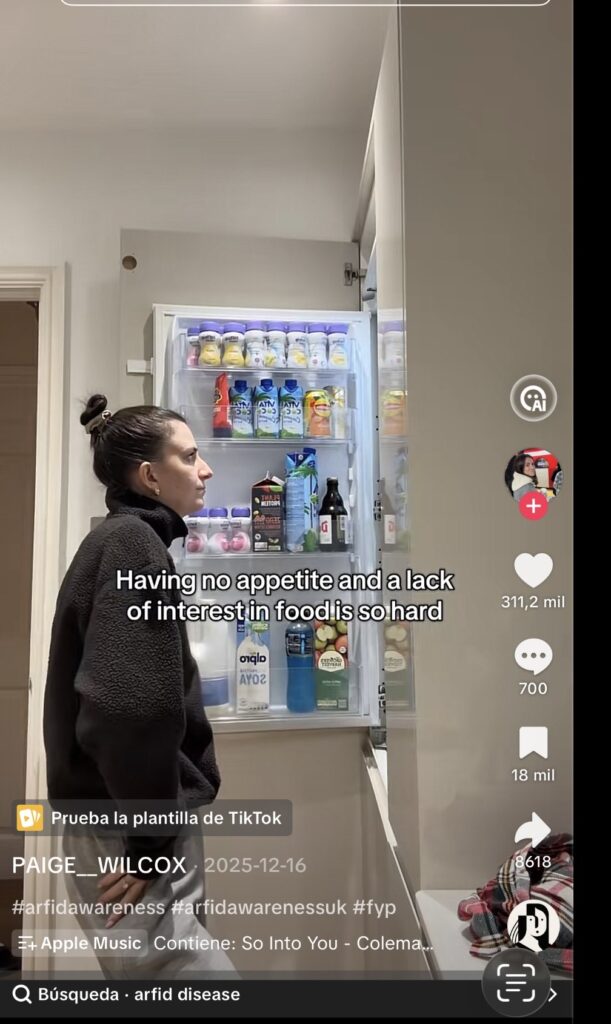
  • Most of the time, eating “in” is viewed as something normal that happens in every household, like a routine in which families cook and eat together at home or when someone cooks for themselves. However, these TikToks show that this is not always the reality. In one video, a student says they eat everything they see at school because they do not eat at home, suggesting that school becomes the main place where they can eat. In the other video, a person stands in front of a fridge full of food but says they have no appetite and struggles to eat, showing that simply having food available does not always mean someone can or wants to eat it. These situations may also reflect deeper issues beyond food itself, such as emotional stress, household dynamics, or a lack of support at home. As Raj Patel explains in Food Sovereignty: Power, Gender, and the Right to Food, hunger is often misunderstood as simply a lack of food, when in reality it can also be connected to power, entitlement, and people’s living conditions. In this way, eating at home can depend on factors such as who controls money, time, and care in the household, as well as the home’s emotional environment. These examples show that “eating in” is not always a simple personal choice but can also reflect broader social inequalities and family dynamics.

    Question:
    What factors might influence why someone who has access to food at home still struggles to eat there, while others without access must rely on institutions like schools instead of “eating in”? Is it simply personal choice, or something shaped by larger social conditions?

    Posted

    in

    by

    0 responses

    To reply, click:

    When “eating in” isn’t possible!

  • Screenshot

    https://www.nytimes.com/2026/03/07/dining/rene-redzepi-noma-abuse-allegations.html?smid=nytcore-ios-share

    My post was going to be about the importance of the cookbook but then I read this,this morning – an article about Noma the restaurant we discussed last week that I think is important to our class for many reasons:  food as a class distinction, worker rights and power dynamics.

    Question: Why was Rene Redzepi not held accountable for his actions?

    Posted

    in

    by

  • https://www.food-safety.com/articles/10791-california-enacts-law-requiring-restaurants-to-label-major-allergens-on-menus

    This article from Food Safety Magazine discusses a new bill passed in California which requires restaurants to label major allergens on menus. This only applies to restaurants which have 20 or more locations and require them to provide notices of the top 9 allergens: milk, eggs, fish, crustacean shellfish, tree nuts, wheat, peanuts, soybeans, and sesame. As someone with allergies this is great, and also makes me think of smaller restaurants doing the same. I also think about how many places do not allow or accomodate modifications.

    Question: To what degree should restaurants notify customers of allergens? How much should they modify dishes to make them safe for customers?

    Posted

    in

    by

  • https://www.nytimes.com/2013/09/04/dining/leaving-a-tip-a-custom-in-need-of-changing.html?pagewanted=all&_r=0&login=email&auth=login-email&register=email&auth=register-email

    This article discusses through the former NYT food critic, Pete Wells’, perspective tipping culture in restaurants. Though this was written in 2013, it addresses a relevant conversation that continues to this day. Both the impact tips have on service, the desire for servers to continue with tips, the potentially extreme level that tips are expected in restaurants (up to 30% sometimes). It also brings up the idea of the gap between wages for front-of-house workers and kitchen workers. Kitchen workers’ wages have remained fairly constant in recent decades, and since they do not directly interact with customers, they don’t get tipped out.

    Question: This concept begs the question of whether kitchen workers should be tipped out or whether wages should increase. Should restaurants pay their employees a living wage and do away with tips, also meaning employees would be taxed on their entire salary (whereas tips are not taxed now)?

    Posted

    in

    by

  • @prisrecs

    New York City’s hottest new immersive dining experience is here! This experience transports you all across the world, while you enjoy a 7-course meal of unique specialty delicacies. This came out to around $250 per person with fees on a weekend & without drinks. You can select a special drink package for an additional $75 for wine pairings with your meal! It’s the perfect to celebrate something special & splurge. Overall, the experience was a 10/10, food portions are definitely on the smaller end so 6/10 on that, and service 9/10! This is Journey 360 Experience, located on 27 W 24th St, NY🥂 nnyciimmersivediningiimmersiveexperienceuuniqueuuniqueexperiencesuuniquediningrrestaurantsnnycrestaurantsnnycfoodffoodiejjourney360iimmersiverestauranteexperientialdiningnnyclifeccelebrationsnnyccelebratebbirthdaynycddiningshowb#broadway

    ♬ this is what space feels like – JVKE

    Food Service in the past has been always smart and well done but over the years the finer diners have learned to make it more than just the food. The creativity in the food service industry over the years have been more and more extrordinary. Its not even just michelin star places with such experiences, but many places just make it their restaraunt or diner gimmick to make it more appealing for the customer.

    Question : Do immersive dining experiences improve food culture, or are they mainly marketing strategies that distract from the quality of the food itself?

    Posted

    in

    by

    0 responses

    To reply, click:

    Food Service : New Dining Experiences

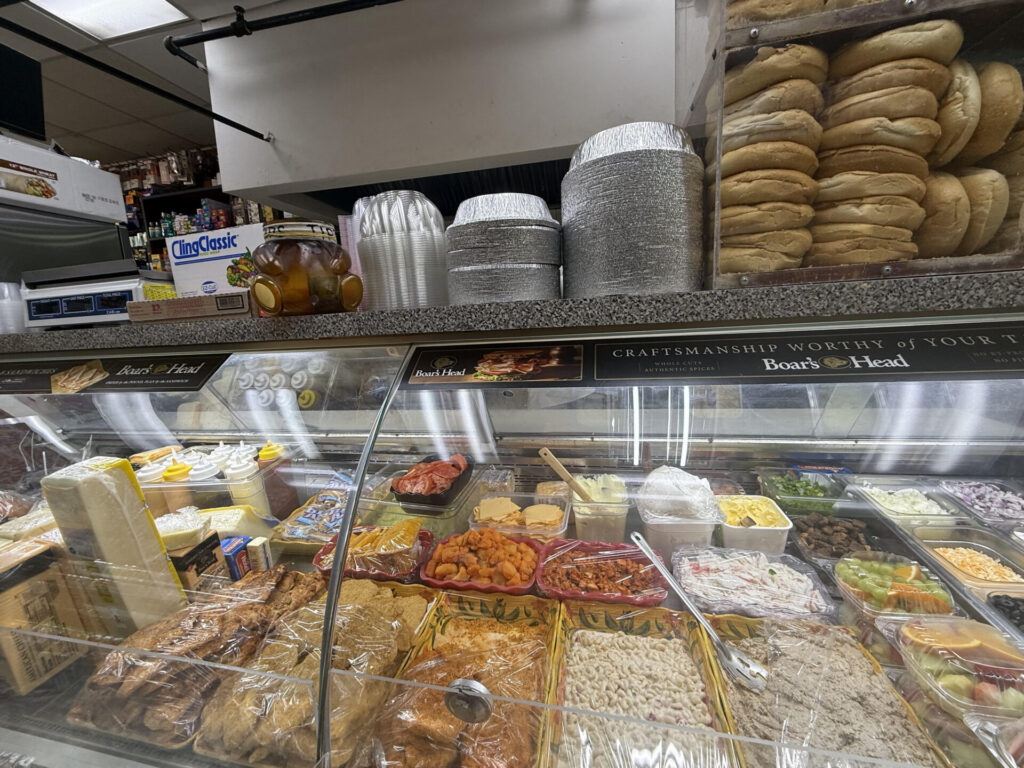
  • A deli store is an important part of life in New York City because it brings people together and creates a sense of belonging in such a large and busy place. For me, my deli in the Bronx is more than just a place to buy food. It is a place that feels personal and familiar. As someone who lives and studies in this city, I often stop by the deli during my busy days. The cooks have been working there for many years, and they know my order by heart. I do not even have to explain what I want because they already remember it. This makes me feel valued and respected as a customer.

    When I walk into the deli, they greet me warmly, and it feels like I am part of a small community. In a city as large as New York, it is easy to feel unnoticed, but my deli makes me feel seen. Watching the cooks work so hard every day also inspires me. Their dedication and long years of service show commitment and loyalty. My deli is not just important to the neighborhood; it is important to me personally because it represents comfort, routine, and connection in my daily life.

    How does my local deli in the Bronx show the importance of small businesses in New York City communities?

    Posted

    in

    by

    0 responses

    To reply, click:

    Local Bodega/Deli heartstone of the city

  • This video goes over the evolution of how mapo tofu has been made over time. One of the most surprising things is that one of the most important ingredients, doubanjiang, wasn’t actually present in the dish until relatively recently.

    At what point in the evolution of a dish should it be considered something new?

    Posted

    in

    by

  • Posted

    in

    by

    0 responses

    To reply, click:

    Are premade foods a scam?