Author: Charli Delray

  • Extra Credit 2

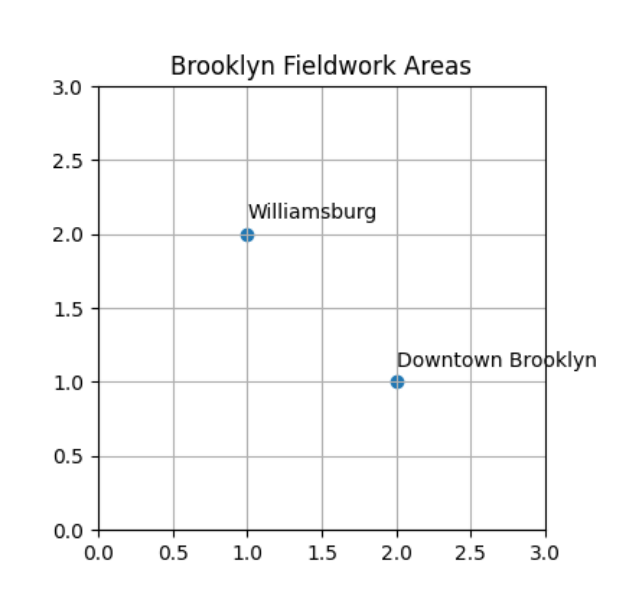
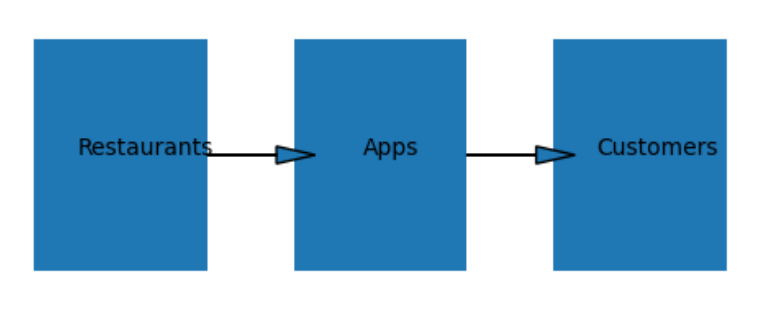
    Food delivery apps like Uber Eats, DoorDash, and Grubhub have totally changed life in New York City. After COVID hit, grabbing dinner through an app became second nature, especially in places like Williamsburg and Downtown Brooklyn. People get their meals with just a few taps, but all that convenience rests on the backs of immigrant and working-class delivery workers who deal with crazy traffic, miserable weather, and the apps’ algorithms every single day. My research dug into how this new way of ordering food is shaking up work, restaurants, and even the city’s public spaces. Watching how things play out I saw these apps aren’t just speeding up food delivery. They’re really changing how neighborhoods work. Now, the city’s streets and sidewalks look more like pieces of a giant logistics machine, built for speed and nonstop movement.
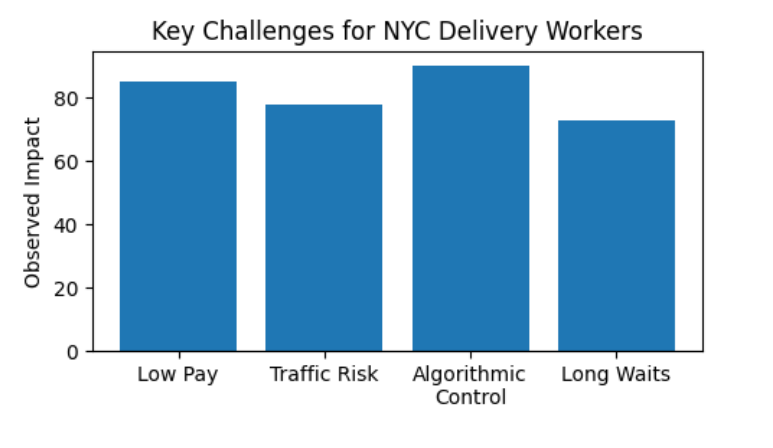
    One thing that stood out to me was just how much risk delivery workers take on. While they’re waiting outside restaurants, the clock’s ticking, but they’re not getting paid—they’re just hoping the app sends them another order soon. The companies talk a lot about “flexibility,” but really, these workers are watched all the time: ratings, GPS, customer reviews, you name it. Most of the workers I saw were immigrants riding e-bikes or mopeds, trying to shave off a few minutes on each run, even if that means zipping through scary intersections in Brooklyn or Manhattan.Restaurants are shifting too. I walked around Williamsburg and noticed a lot of places seemed built for pickup or app orders instead of people eating inside. The dining rooms were tiny, but there was a constant stream of delivery drivers coming in and out for online pickups. So restaurants aren’t really social hangouts anymore. Now, it’s more about getting food out the door fast—so it lands in someone’s apartment a few minutes later. Food is turning into just another product, hustled across the city straight to your doorstep.
    These apps change the city in ways you notice right away. Suddenly, the sidewalk outside your favorite spot is crowded with delivery workers waiting for orders. Bikes and mopeds zip past everywhere, and the city doesn’t really feel like separate neighborhoods anymore—it feels like one big, efficient machine built for convenience. The more I looked into it, the clearer it got: food delivery apps aren’t just about tech or easy meals. They’re wrapped up in bigger issues like inequality, migration, and how technology runs our lives in urban spaces. Sure, customers enjoy the perks, but it’s the delivery workers who take on most of the risks, both economic and physical. All this ends up changing how people connect with their neighborhoods, food, and even the streets themselves.
  • Tomato Manufacturing

    “Inside a Massive Tomato Ketchup Factory: How Ketchup is Made (Complete Process)” takes viewers through the industrialized production of ketchup, starting from the harvesting and transportation of bulk amounts of tomatoes, moving to their cleaning, crushing, cooking, and filtering processes, and then to blending them with sugar, vinegar, and spices. It ends with the automatic filling and packaging of the final products. The production line shows an emphasis on cleanliness, precision, and efficiency, as machines regulate the temperature, viscosity, and pace of the manufacturing process to produce consistent products on an enormous scale. Such production reflects the reality of most food production in today’s world, as food products undergo extensive industrial processing to fulfill worldwide needs. However, such large-scale production also brings into focus several social problems, including monocultural agriculture, extensive food processing, and detachment between consumption and production. While such food manufacturing provides convenience and food security, it also poses serious questions regarding the sustainability of agricultural practices and the health implications of industrialized foods.

    What implications do the industrialized manufacturing of staple condiments like ketchup have for our dependency on processed foods, and what are the repercussions for both public health and sustainable agriculture?

  • Crescent St J/Z

    https://www.google.com/maps/d/u/0/edit?mid=1JSGPx0xhNKzS0ElJhFuPQ9IHi4Ja40w&usp=sharing

    Foodscape Description: 

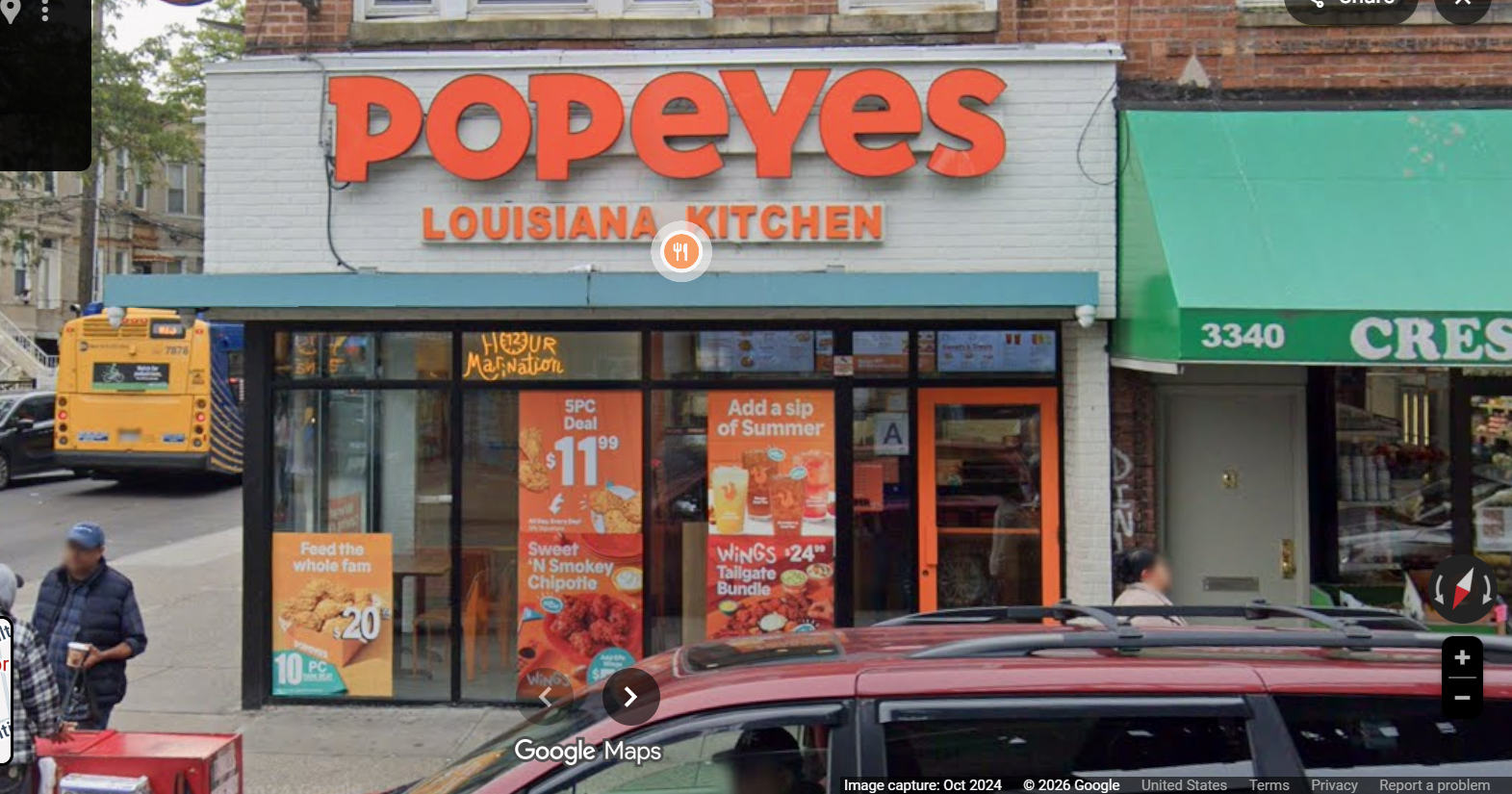
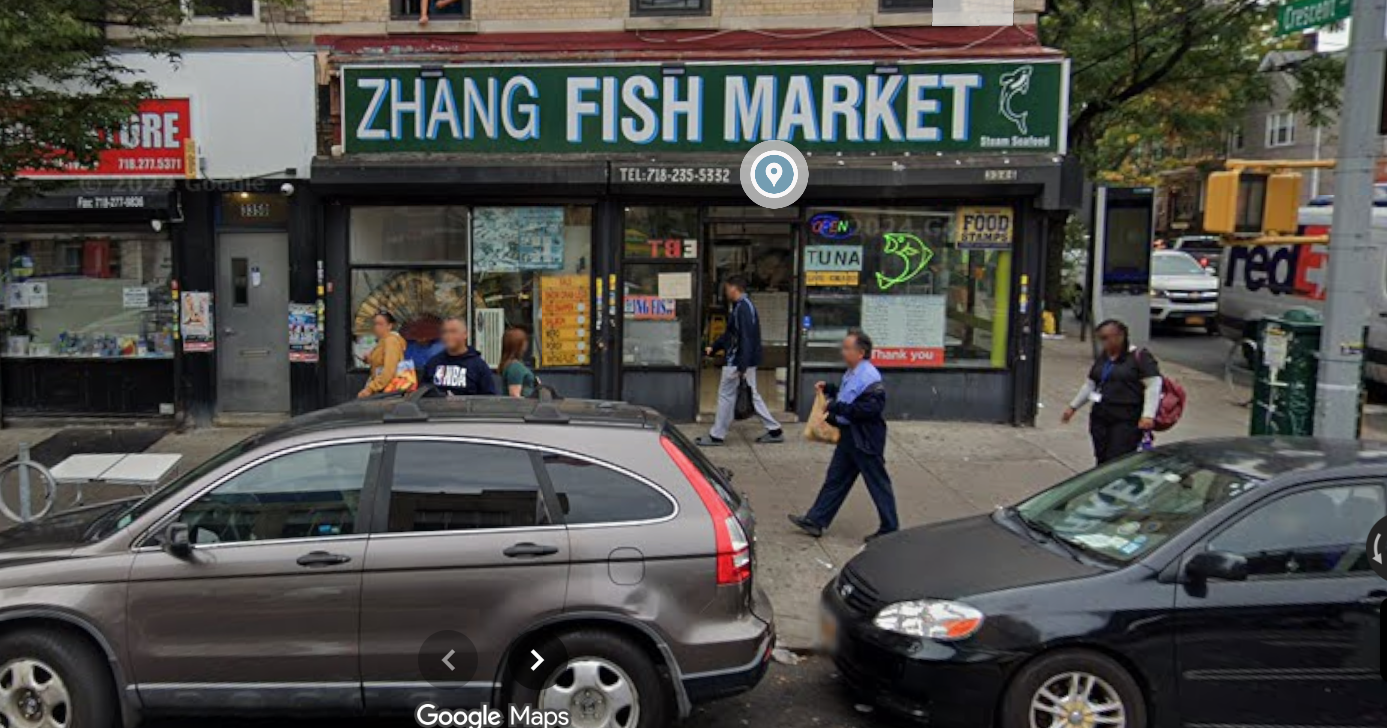
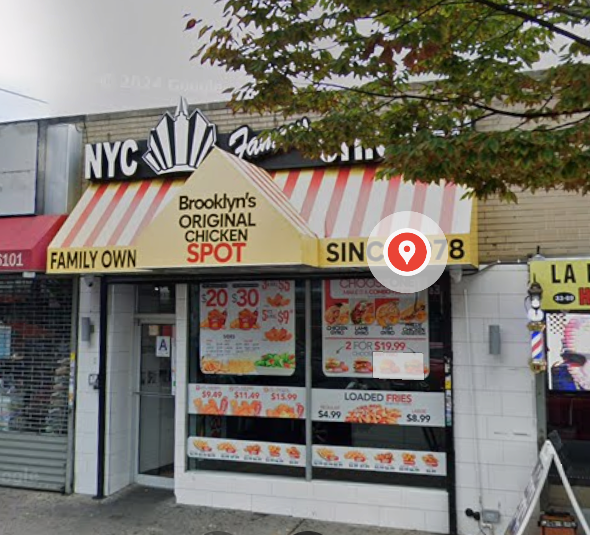
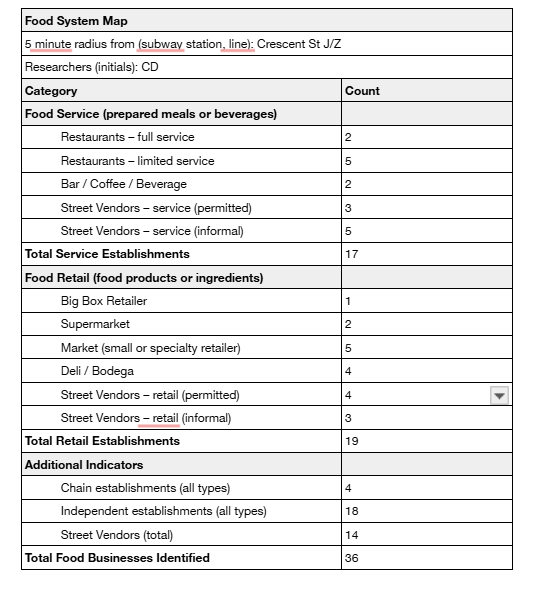
    The area around Crescent Street Station (J/Z) is filled with quick and affordable food options. Fulton Street, in particular, has many food businesses within a short walking distance. This makes it a busy spot for commuters and local residents. Most of the food places are limited-service restaurants, especially fried chicken shops, Chinese takeout, and Latin American eateries. Many of these focus on takeout and delivery rather than dine-in service. Latin American cuisine stands out, with Dominican, Ecuadorian, and Caribbean influences seen in restaurant names, menus, and signage. Spanish is commonly spoken, showing the neighborhood’s cultural mix. Though national chains like Popeyes and Dunkin’ have multiple locations, they do not dominate the area. Most businesses are independently owned and cater to local tastes. Street vendors, both licensed and informal, add to the food options available, bringing the total to seven and increasing access to ready-to-eat food. These vendors are especially common near busy areas like the subway entrance. Access to retail food mainly comes from small markets, bakeries, and bodegas instead of big supermarkets. Overall, the food scene reflects a working-class, immigrant neighborhood where convenience, affordability, and cultural familiarity shape everyday life, creating strong ties between local commerce and community.

  • Cypress Hills Food Retail

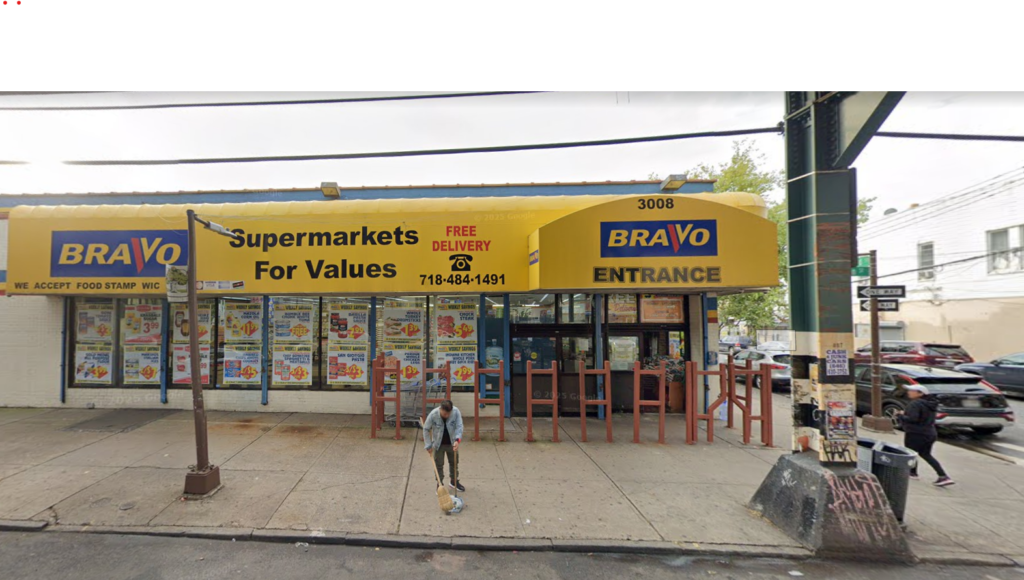
    Observing this Bravo Supermarkets location in my neighborhood, Cypress Hills shows how food spaces mirror social and economic conditions. This supports the sociological idea that we are what we eat. The storefront highlights affordability. Signs such as “Supermarkets for Values,” acceptance of food stamps and WIC, and free delivery indicate that the store caters to working-class residents who need budget-friendly groceries. The many advertisements on the windows emphasize discounted staple foods. This illustrates how price and accessibility influence dietary choices in neighborhoods where many residents must prioritize cost over specialty or organic foods commonly found in wealthier areas.From a sociological perspective discussed in class readings, food environments are not neutral. They reflect inequalities in income, race, and neighborhood investment. Unlike upscale grocery stores found in gentrifying areas, this space shows how local grocery stores serve as community resources. They focus on affordability and necessity, which shapes what people eat and influences how health, culture, and identity develop through food practices.

    Q:How do neighborhood grocery stores like this Bravo Supermarkets influence the types of food people regularly consume, and what does that reveal about class, inequality, and access to healthy food in urban communities like Cypress Hills?

  • Food Service Future

    https://www.deloitte.com/us/en/Industries/consumer/articles/future-of-restaurants-study.html?utm_source=chatgpt.com

    The article describes the ways in which the restaurant industry is changing in response to economic pressures, changing consumer behaviors, and technology. The study identified some of the major trends in the restaurant industry, such as the fact that customers are still interested in eating out but are becoming increasingly price-conscious and seeking value for money, the role of technology in the restaurant industry, and the ways in which the restaurant industry is using technology such as automation and artificial intelligence. The study also identified the ways in which the restaurant industry is diversifying its growth strategies.In terms of the connection between food and society, the study identified that the restaurant industry is an indicator of the ways in which society is changing. The study identified that the restaurant industry is changing in response to the ways in which people are living their lives and the ways in which technology is changing their daily interactions.

    How are technology and convenience changing the way people interact with food and restaurants in modern society?

  • Ways to Cook that Reduce Waste

    https://www.abc.net.au/news/2026-03-01/chef-tackles-food-waste-by-cooking-funny-meat-cuts/106384778

    This article is about a chef in New South Wales who is cutting down on food waste by buying whole steers instead of just the most popular cuts. He doesn’t just make steaks and fillets; he also makes dishes with less common or “funny” cuts that people don’t usually think of. He does this to cut down on waste, help local farmers, and get customers to try new menu items. This has to do with food and society because it shows how what people want affects how food is made and thrown away. A lot of modern food systems put convenience and certain cuts first, which makes them less efficient and puts more stress on the environment. The chef’s whole-animal approach goes against these habits and encourages sustainability, responsible eating, and a greater appreciation for where food comes from. It shows that people are becoming more aware of the need to cut down on waste and make food systems that are more resilient and moral.

    How do consumer preferences for certain meat cuts influence food waste, sustainability practices, and the way society values different parts of animals in the modern food system?

  • Still Eating Out?

    https://www.bbc.com/news/articles/c0ljpxek5w2o

    The article points to the impact that increasing food costs and the cost of living crisis are having on people’s lives in Britain, showing how even something as simple as having a meal outside can become an economic burden for many people in the country. People like James Deegan, who used to enjoy having meals outside frequently, now only do so occasionally due to the high costs of food in restaurants in the country. In contrast, many restaurants in the country are struggling due to the high costs of doing business in the country, including taxes, wages, fuel costs, and food costs, with fewer restaurants in operation than before the pandemic hit the country. The article also points to the broader change in food culture in today’s society in that having food outside is no longer just about bringing people together but is also about value for money spent in many ways.

    Q:In today’s economic climate, is dining out becoming a luxury rather than a normal part of social life ?

  • Ecuadorian Menu

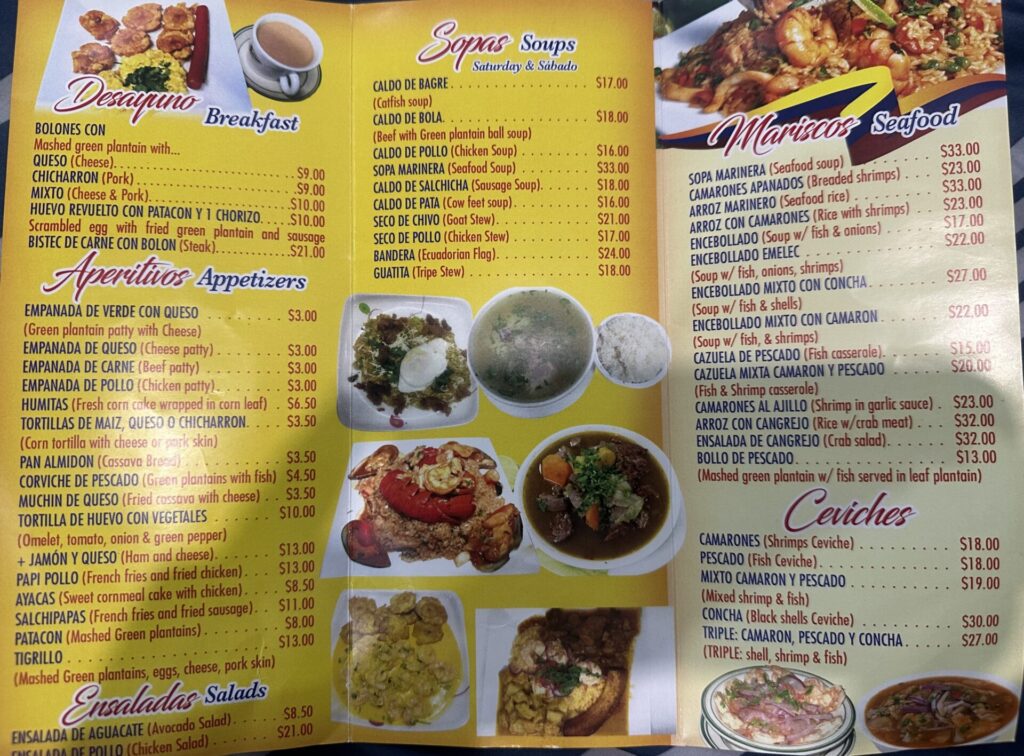
    This menu features a variety of traditional Ecuadorian dishes, highlighting the rich flavors and cultural diversity of Ecuadorian cuisine. One of the most popular and special dishes on the menu is Encebollado de Pescado, a well-loved fish soup known for its unique and comforting flavor. It is made with fresh fish, yuca (cassava), pickled red onions, cilantro, and a flavorful fish broth. Encebollado is widely enjoyed in Ecuador and is often considered a national dish, commonly eaten for breakfast or lunch.According to the menu, Encebollado de Pescado costs $17.00, while variations such as Encebollado Mixto con Concha (fish and shellfish) cost $27.00, and Encebollado Mixto con Camarón (fish and shrimp) costs $22.00. Other seafood soups like Sopa Marinera are priced at $33.00. Breakfast items range from about $9.00 to $21.00, appetizers from $3.00 to $13.00, and ceviches range between $18.00 and $30.00, showing a range of options for different budgets.Overall, the menu reflects how Ecuadorian food combines local ingredients such as plantains, seafood, yuca, and fresh herbs to create dishes that are both affordable and culturally significant.

    How does a traditional dish like encebollado reflect Ecuador’s coastal culture, economy, and the importance of seafood in everyday life?


  • Super Bowl SNACK Prices

    https://www.usatoday.com/story/sports/nfl/2026/02/08/super-bowl-60-food/88575220007

    This article provides a menu and prices of the Super Bowl 2026 Concessions. It portrays how the food prices have gone up throughout the years , especially at large public events. Traditional stadium items are at a higher price than other places like your neighborhood bodega, which shows inflation and higher operating costs. Global flavors have become mainstream in America which we can see in the Super Bowl menu items such as bulgogi cheesesteak , spicy pork noodles and Chinatown dog. We also see how luxury prices have been normalized in areas meant for large audiences , for example the $180 LX Burger.

    Q: Does extreme food price differences at sporting events an example of inclusive choice or economic inequality being normalized in food culture?