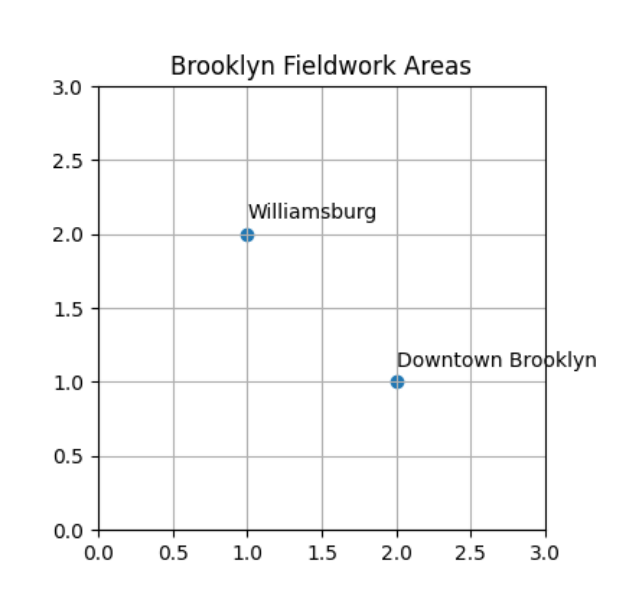
Food delivery apps like Uber Eats, DoorDash, and Grubhub have totally changed life in New York City. After COVID hit, grabbing dinner through an app became second nature, especially in places like Williamsburg and Downtown Brooklyn. People get their meals with just a few taps, but all that convenience rests on the backs of immigrant and working-class delivery workers who deal with crazy traffic, miserable weather, and the apps’ algorithms every single day. My research dug into how this new way of ordering food is shaking up work, restaurants, and even the city’s public spaces. Watching how things play out I saw these apps aren’t just speeding up food delivery. They’re really changing how neighborhoods work. Now, the city’s streets and sidewalks look more like pieces of a giant logistics machine, built for speed and nonstop movement.
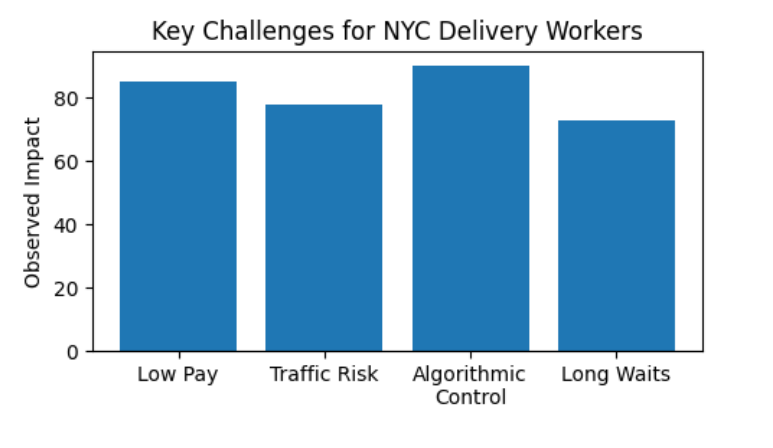
One thing that stood out to me was just how much risk delivery workers take on. While they’re waiting outside restaurants, the clock’s ticking, but they’re not getting paid—they’re just hoping the app sends them another order soon. The companies talk a lot about “flexibility,” but really, these workers are watched all the time: ratings, GPS, customer reviews, you name it. Most of the workers I saw were immigrants riding e-bikes or mopeds, trying to shave off a few minutes on each run, even if that means zipping through scary intersections in Brooklyn or Manhattan.Restaurants are shifting too. I walked around Williamsburg and noticed a lot of places seemed built for pickup or app orders instead of people eating inside. The dining rooms were tiny, but there was a constant stream of delivery drivers coming in and out for online pickups. So restaurants aren’t really social hangouts anymore. Now, it’s more about getting food out the door fast—so it lands in someone’s apartment a few minutes later. Food is turning into just another product, hustled across the city straight to your doorstep.
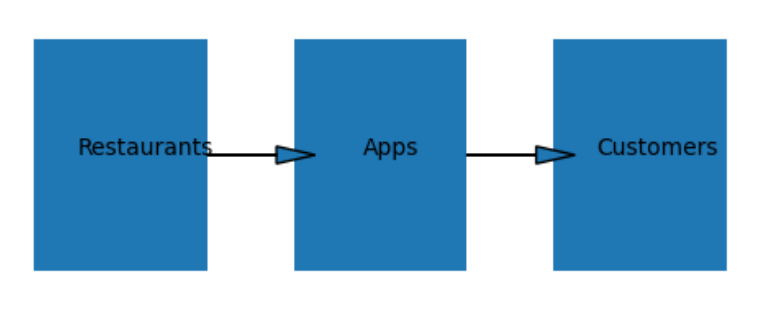
These apps change the city in ways you notice right away. Suddenly, the sidewalk outside your favorite spot is crowded with delivery workers waiting for orders. Bikes and mopeds zip past everywhere, and the city doesn’t really feel like separate neighborhoods anymore—it feels like one big, efficient machine built for convenience. The more I looked into it, the clearer it got: food delivery apps aren’t just about tech or easy meals. They’re wrapped up in bigger issues like inequality, migration, and how technology runs our lives in urban spaces. Sure, customers enjoy the perks, but it’s the delivery workers who take on most of the risks, both economic and physical. All this ends up changing how people connect with their neighborhoods, food, and even the streets themselves.


Leave a Reply
You must be logged in to post a comment.