This video goes over the lengths that Famous Fish Market goes to to keep their food consistent every day. Most notably, they change their fryer oil every single day. Despite having a small and simple menu, they go above and beyond to keep the quality of their food high.
Would Famous Fish Market do more business if they sacrificed the quality of their food to reduce their prices?
I think that most people would expect a restaurant like this to be bad and only exist as a status symbol, but apparently the food is actually very good. The restaurant even puts the Louis Vuitton logo on as much of their food as possible.
Why would a Louis Vuitton branded cake be appealing to people?
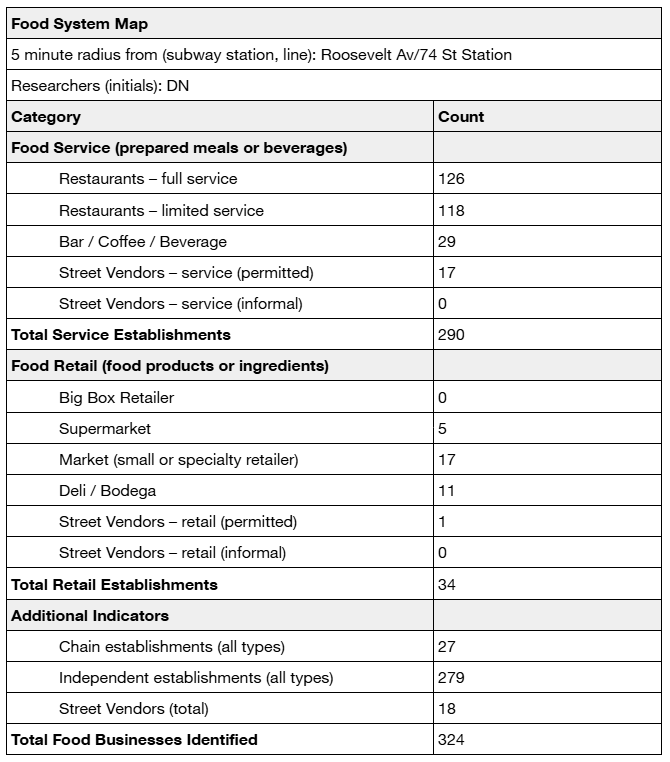
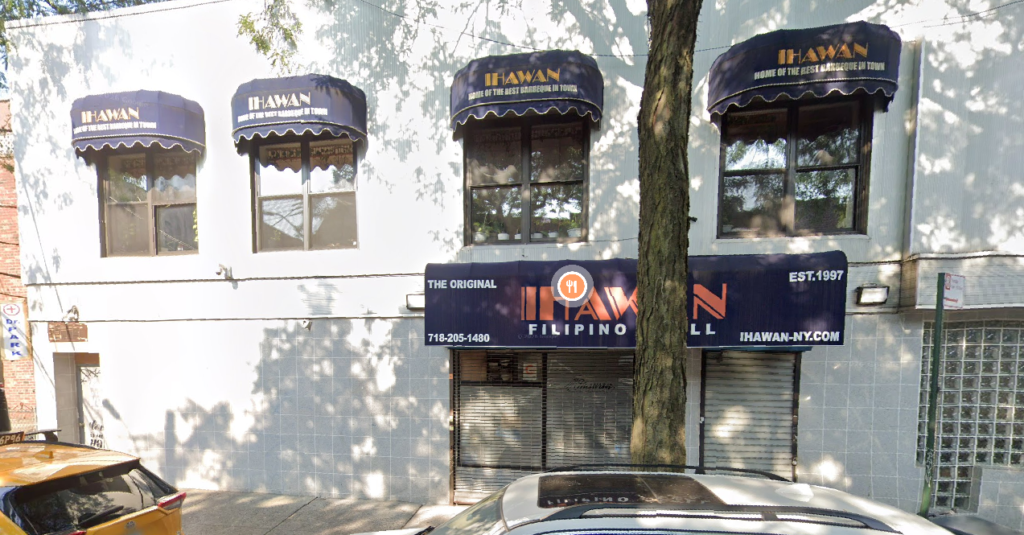
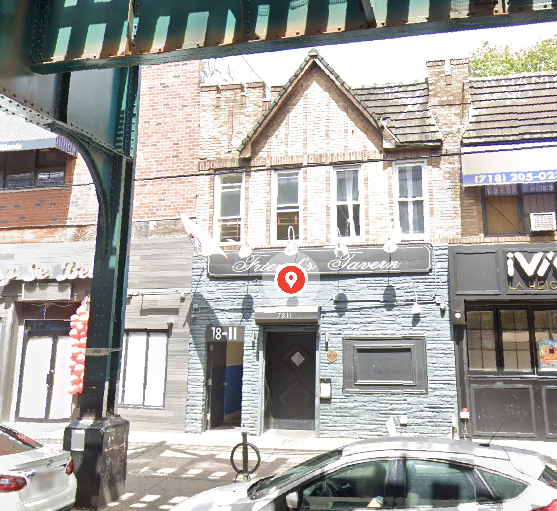
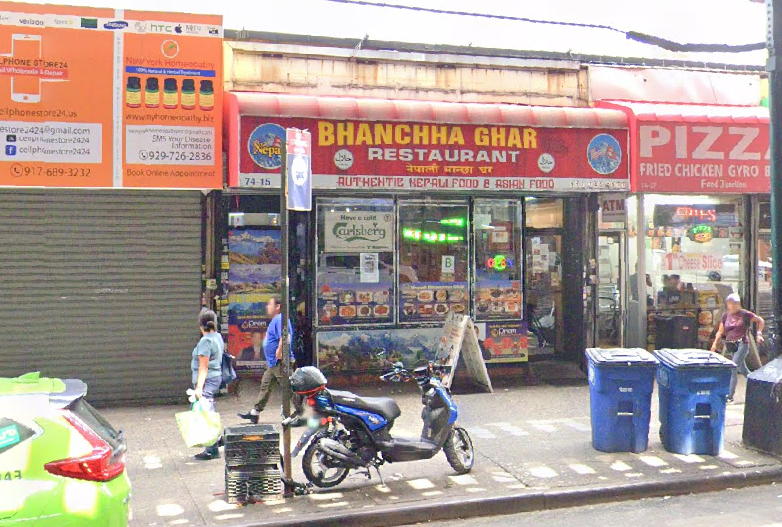
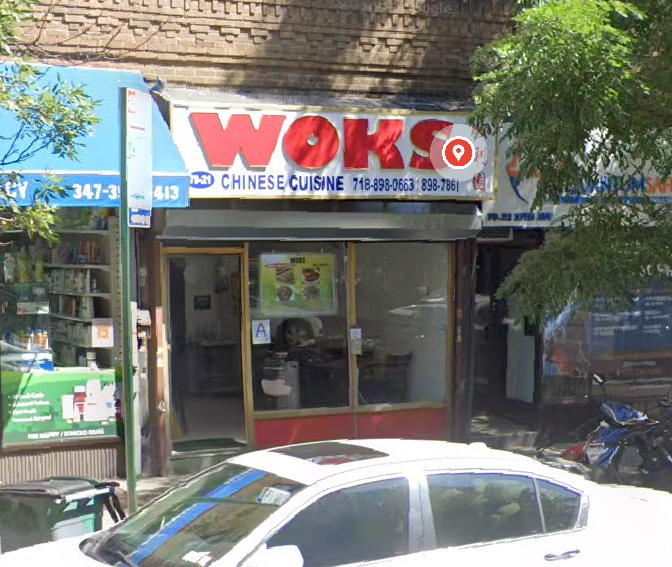
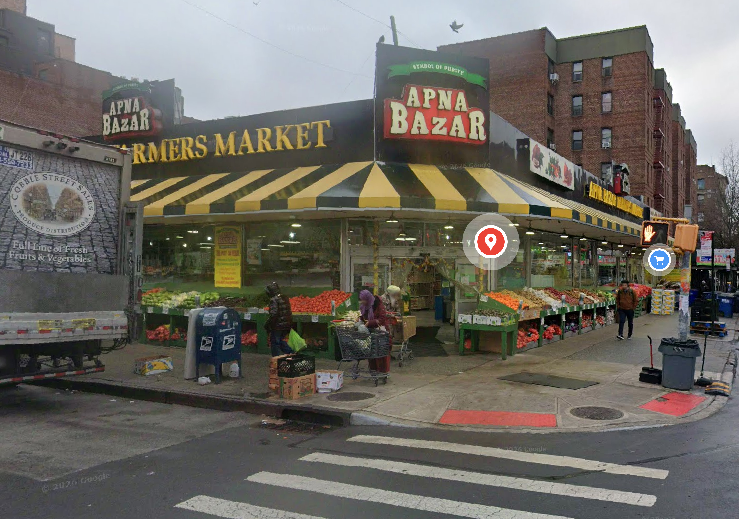
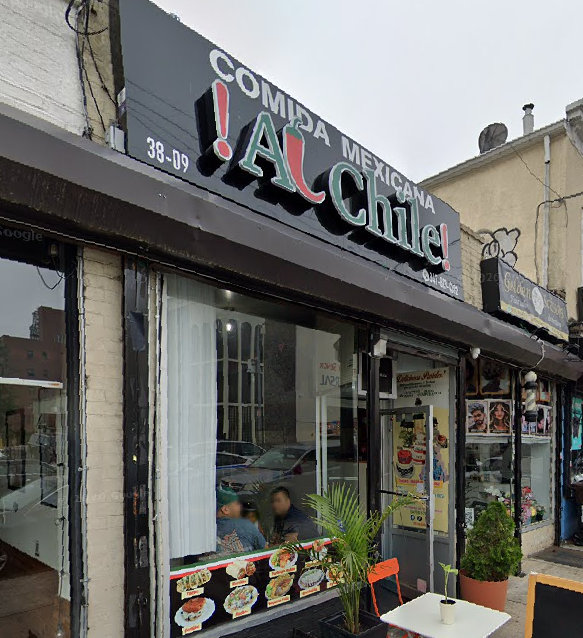
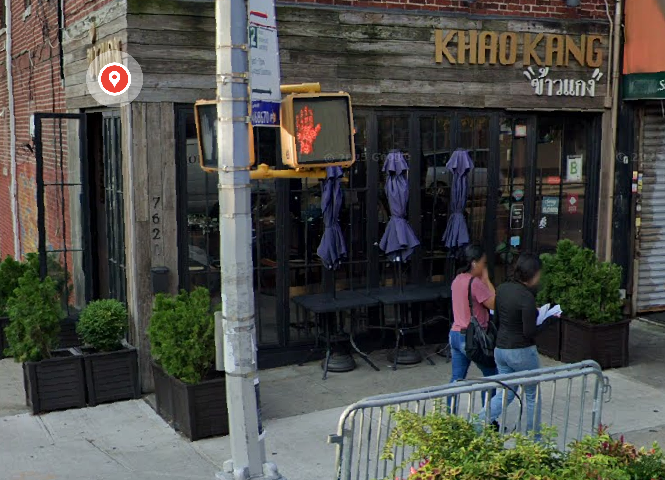
The food scene around the Jackson Heights/Roosevelt Av-74th St subway stop is an unlikely combination of Latin American cuisines, South Asian cuisines, Southeast Asian cuisines, and American staples. Most of the Filipino restaurants are concentrated around 69th St. Most of the Thai restaurants are near Woodside Avenue and 77th St. Most restaurants are located along Roosevelt Avenue. Roosevelt Avenue is a mix of Himalayan food, bodegas, and Latin American restaurants, bars, and bakeries. Most of the Latin American establishments are Colombian, Ecuadorian, and Mexican. 37th Avenue from 73rd Street to 76 Street is packed with Indian, Bangladeshi, and Pakistani grocery stores, food carts, and grocery stores. Some of Manhattan’s staples, such as bubble tea and the “slop bowl”, are largely absent. Regardless, pizza is as present here as it is in the rest of the city. Many international chains, especially Dunkin’ Donuts, are spread throughout the area. Lots of the trucks and carts serving food are Tibetan and Nepali, specializing in momos. Most of the Himalayan momo street vendors are concentrated around the Roosevelt Avenue subway station, while the brick and mortar Himalayan restaurants are more spread out throughout the area. Authentic Chinese food is largely absent from the area, while American Chinese and Chinese South Asian fusion restaurants are relatively common. Many of the grocery store chains in the area are smaller chains of South and East Asian markets, rather than the usual American grocery titans. Aside from the chains, there is a large number of smaller specialty food markets. The area is so densely packed with food businesses that so many cultural food enclaves can exist within such a small space.
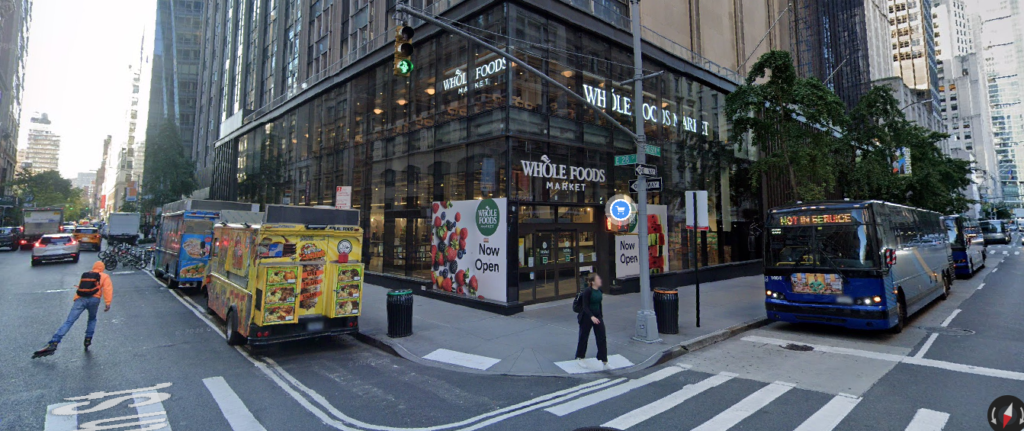
This Whole Foods is in Midtown Manhattan near Madison Square Park. The crowd that it is catering to is people who live nearby and can afford to make very health conscious choices about the food that they eat. There are two food trucks nearby, which may be trying to attract the Whole Foods shoppers to their trucks. Inside the Whole Foods is also a whole section of prepared foods for sale. This food is not particularly good or cheap, but it is conveniently placed and there is an expectation that the food is healthy.
In what sort of situation would a shopper at this Whole Foods choose to eat at one of the food trucks before or after shopping?
This video goes over the evolution of how mapo tofu has been made over time. One of the most surprising things is that one of the most important ingredients, doubanjiang, wasn’t actually present in the dish until relatively recently.
At what point in the evolution of a dish should it be considered something new?
This video talks about the differences between cultures regarding what kitchen appliances they use. It goes over how a lot of kitchen appliances aren’t actually mandatory, and how different people will choose to not use appliances that they did not grow up using despite the benefits that they provide.
Why haven’t more western cultures started using rice cookers?
This video follows a chef who uses his restaurant to carry on the food passed down by his grandmother. He talks about the process of sourcing food for his restaurant and how the history of North Korea has impacted its own cuisine.
Can food be used as a way to spread awareness about an issue?
Dylan Nussbaum
Need help with the Commons?
Email us at [email protected] so we can respond to your questions and requests. Please email from your CUNY email address if possible. Or visit our help site for more information: