Hotbreqd Kitchen is a positive light on food manufacturing in nyc. Per its website “ Hot Bread Kitchen creates economic opportunity through culinary job skills training, food entrepreneurship, and an ecosystem of support for individuals who face barriers to meaningful careers.”
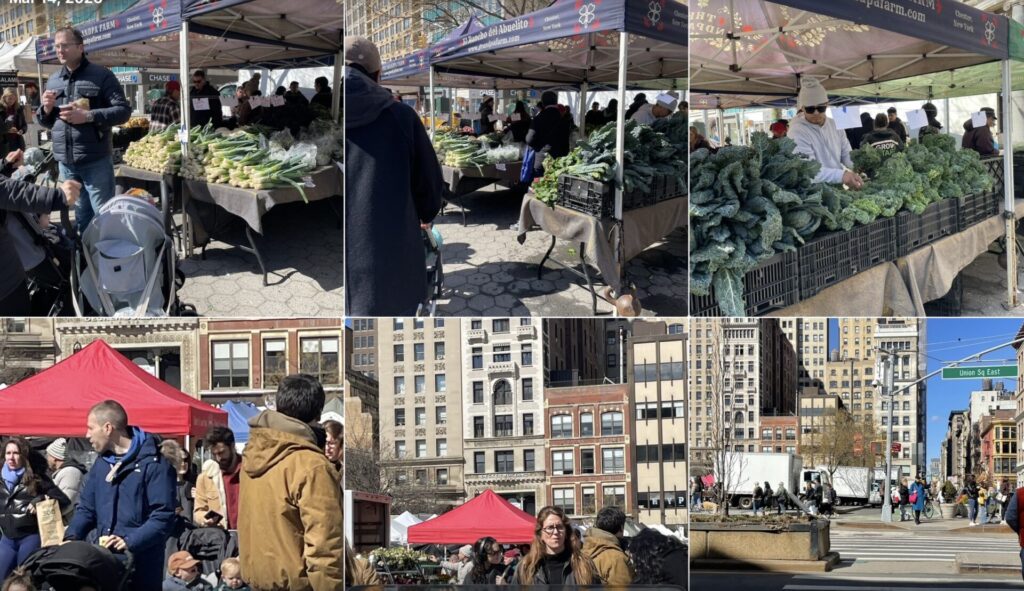
The Union Square Greenmarket, started in 1976 with a couple of farmers selling produce was the first Greenmarket from the nonprofit GrowNYC . Fifty years later it is so much more. It represents New York at its best.“We empower all New Yorkers with equitable access to
fresh, locally grown food, neighborhood green spaces,
opportunities to reduce waste, and care for the environment” (GrowNYC report). It is an urban town square.
Union Square Market, Manhattan ( Union Square East – Union Square West 15th street-17th street)
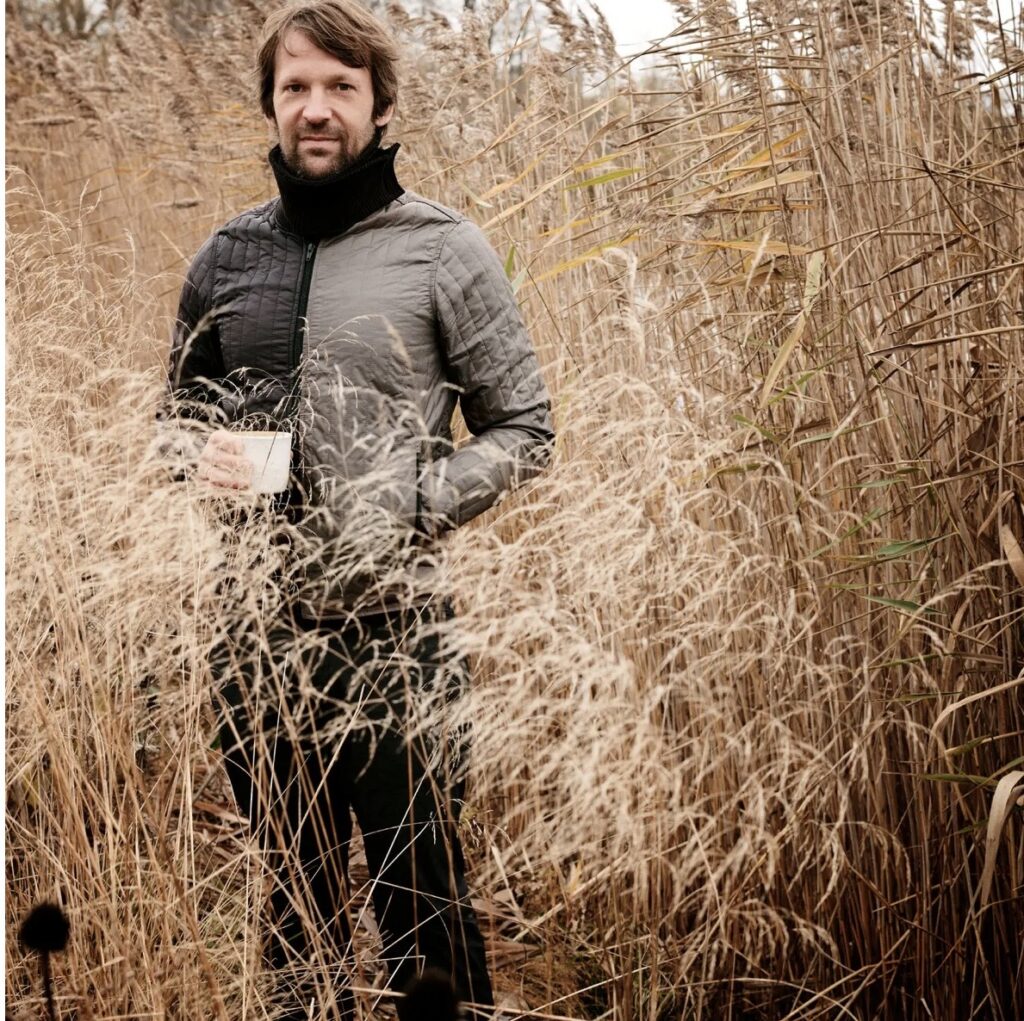
My post was going to be about the importance of the cookbook but then I read this,this morning – an article about Noma the restaurant we discussed last week that I think is important to our class for many reasons: food as a class distinction, worker rights and power dynamics.
Question: Why was Rene Redzepi not held accountable for his actions?
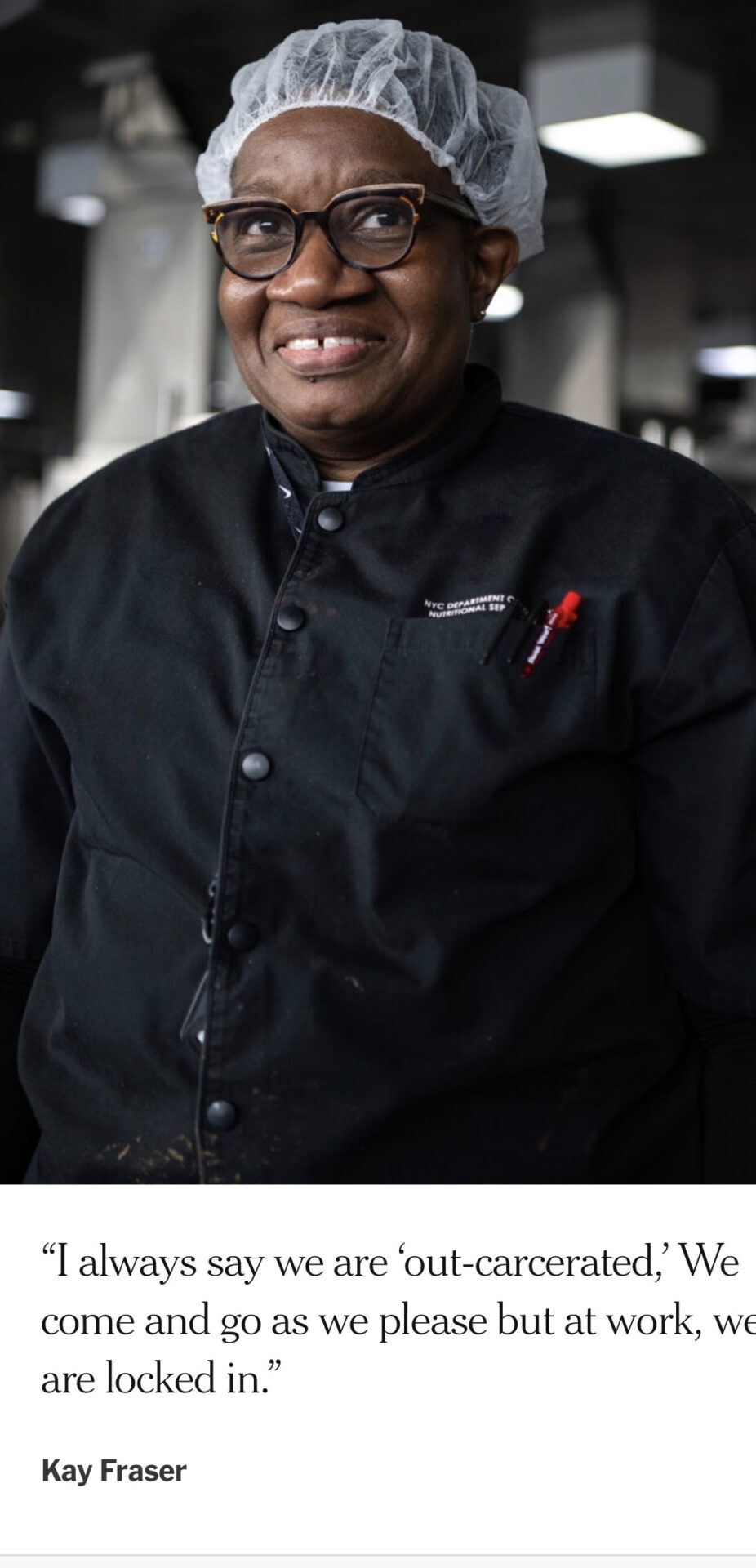
Read/ listen to this article- about being a cook at Rikers -one of the unseen ‘essential jobs’
Most have long commutes and stressful working conditions- starting with ‘eight-hour shifts confined behind a long series of locked doors. But some like Tamara Craddock, ‘had left a career in restaurants for the stabler hours, health benefits and pension of a government job’ and other cooks interviewed
saw ‘the work as a chance to make a difference in the lives of the detainees, providing them a rare reminder of their humanity: a meal.’
Is this a better / worse kitchen job than other ones in the industry? What does this say about the job itself?
( Note why for the first time reporters were given access to the kitchen)
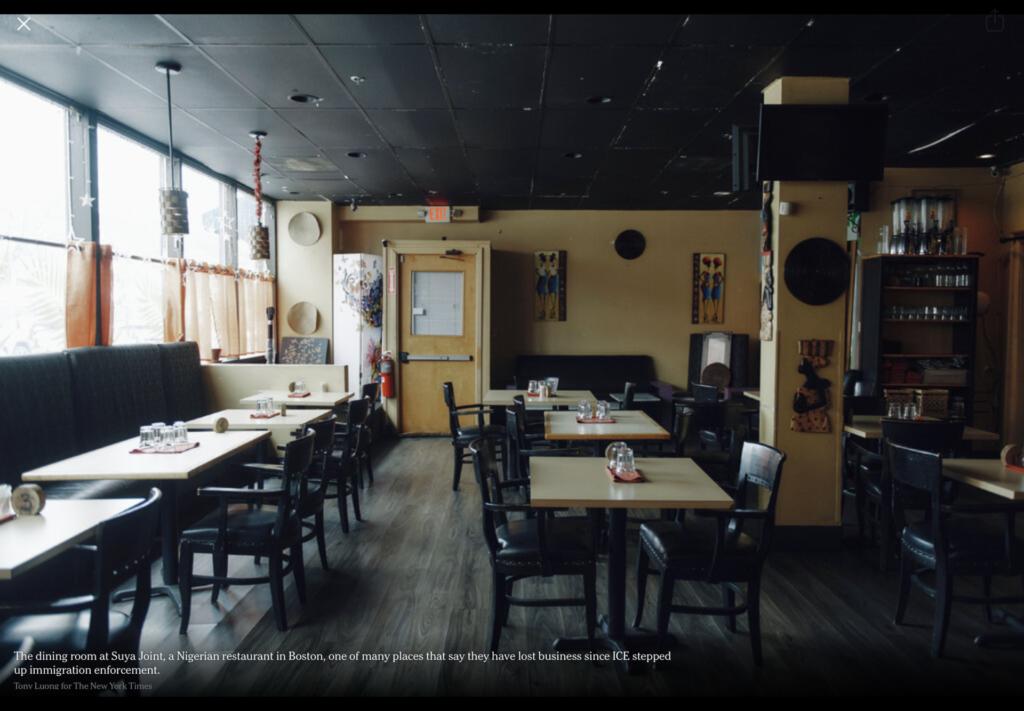
We’ve been reading academic papers on the ‘invisible ‘ workers that are a consequential part of the food system. This New York Times article shines a light on these workers -how many restaurant workers are being affected by ICE
‘The fear of detention among customers and employees — in an industry in which more than one-fifth of the work force nationwide was born abroad — has taken a toll.’
In addition, this article also points to the importance of restaurants in a community as a third space.
“As community hubs, restaurants have the power to mobilize locals in a way few other businesses can, said Diana Dávila, the chef and owner of Mi Tocaya, a Mexican restaurant in Chicago. She helped organize a fund-raiser last month that collected $115,000 to buy groceries for families facing food insecurity because of ICE actions.
“Restaurants put a face to what is happening,”
Question: how does what’s happening today intersect with ‘ the essential worker’ of the Pandemic?
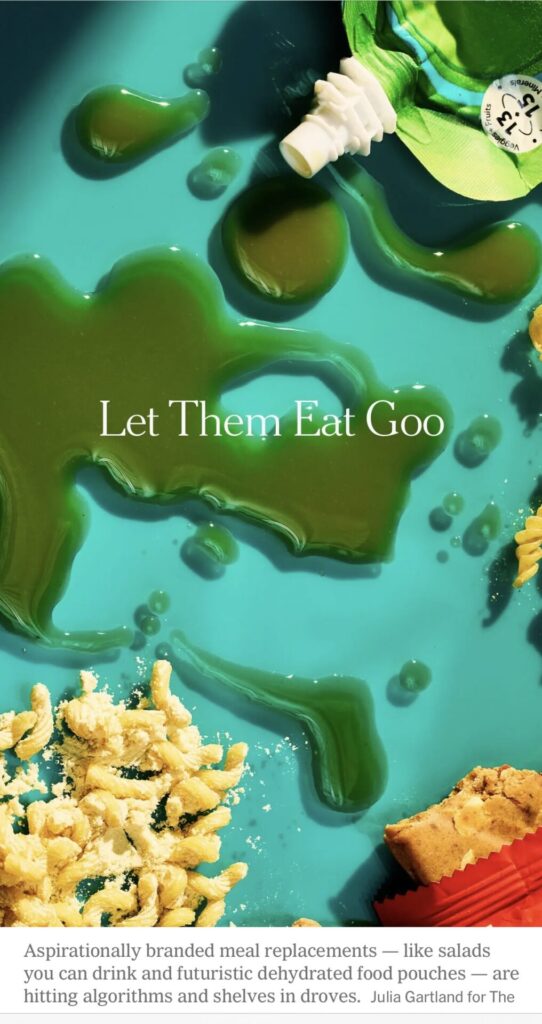
This article discusses meal-replacement products that are being marketed to a segment of the millennial audience that is “overwhelmed (and wellness-obsessed.)” My take away is this is a example of the dehumanizing of eating. Marketers/ ‘food’ companies are catering to a segment of Americans who grew up in a home where participating in/creating meal time meals was non- existent leaving them no positive memories or fundamental skills to have a healthy, balanced (and joyful) relationship with food to build upon as an adult. In addition, “Fans of these next-generation meal replacements said that, in the overstimulating landscape of late-stage capitalism, it feels good to streamline mealtime” shows that these consumers have little understanding of the relationship between these meal-replacement products and capitalism.
Are there other ways that these meal- replacement products dehumanize eating?
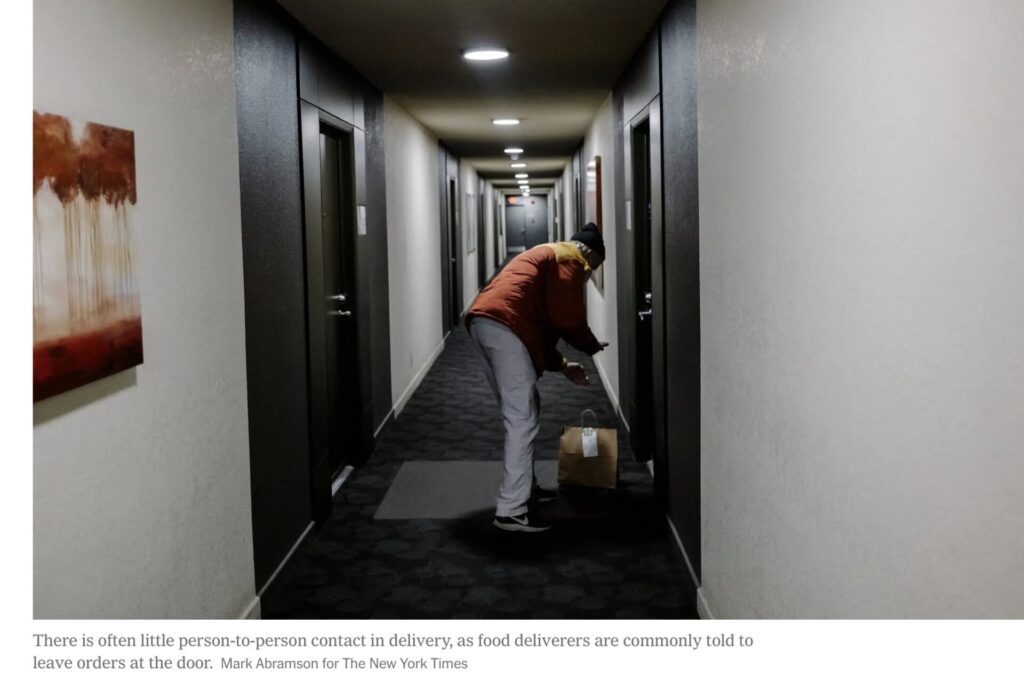
This is a fascinating article that discusses the delivery app service from multiple stakeholders’ viewpoints and its effect on how we think ( or don’t think ) about how we get our daily food. How does this article relate to what Minkoff-Zern & Mares say about the ‘essential workers’?
Susan Kerner
Need help with the Commons?
Email us at [email protected] so we can respond to your questions and requests. Please email from your CUNY email address if possible. Or visit our help site for more information: