Bringing Communities Together Through Food shows how sharing meals can connect people from different backgrounds and create a sense of belonging. The video highlights how food serves as common ground for people to interact, even if they don’t share the same culture or experiences. This connects to the idea that food is more than just nourishment—it creates space for conversation, relationships, and understanding. Overall, it demonstrates how something as simple as cooking and eating together can help build stronger, more connected communities.
Why does cooking and eating together create a sense of community?
Beyond Meat is disrupting the traditional beef industry by developing plant-based burgers meant to look, cook, and taste like real meat. The burgers are made by breaking down meat into its basic components and recreating those qualities with plant ingredients such as pea protein, beet juice, and coconut oil. The significance lies in targeting mainstream meat eaters and positioning Beyond Meat as a direct challenger to the global meat industry. This innovation addresses rising health and environmental concerns, as reducing beef consumption can lower disease risks and decrease livestock-related environmental damage. Ultimately, the video shows how food technology is reshaping cultural eating habits, making sustainable alternatives more accessible and appealing, and challenging long-standing norms around meat consumption.
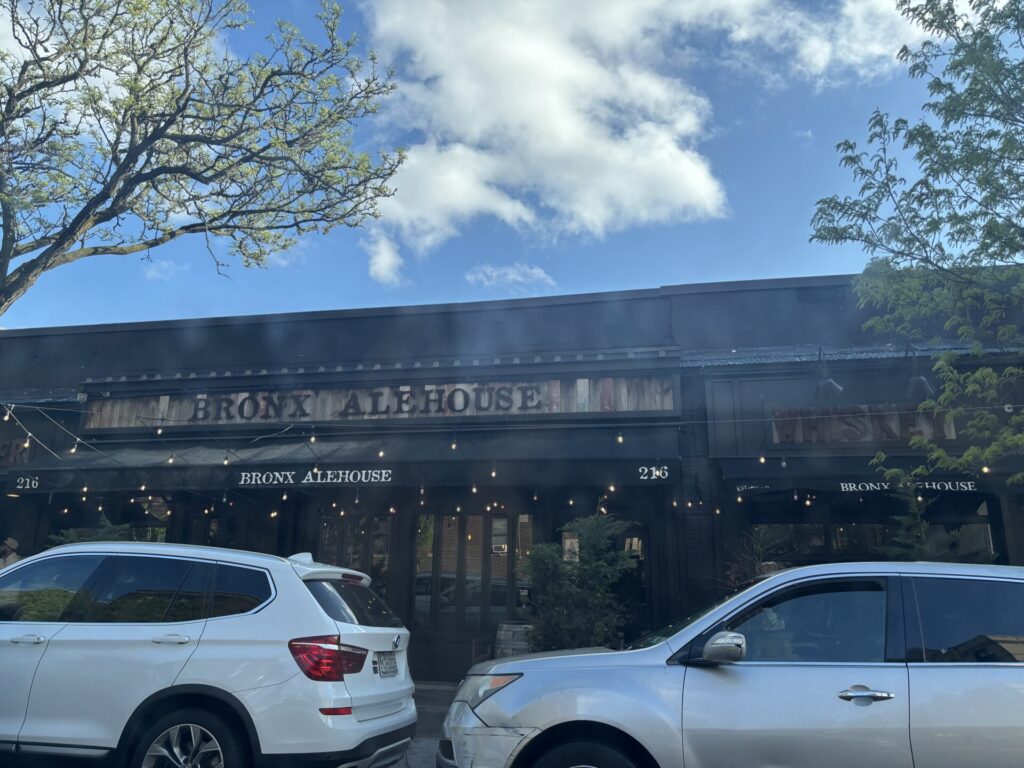
Bronx Alehouse is a casual neighborhood bar and grill that serves classic American comfort food in a relaxed, sports-bar-style setting. It offers a full bar with draft beers, cocktails, and rotating specials, along with menu items like burgers, wings, sandwiches, and appetizers. It’s a sit-down spot where people go to watch games, hang out with friends, or grab a hearty meal in a laid-back atmosphere.
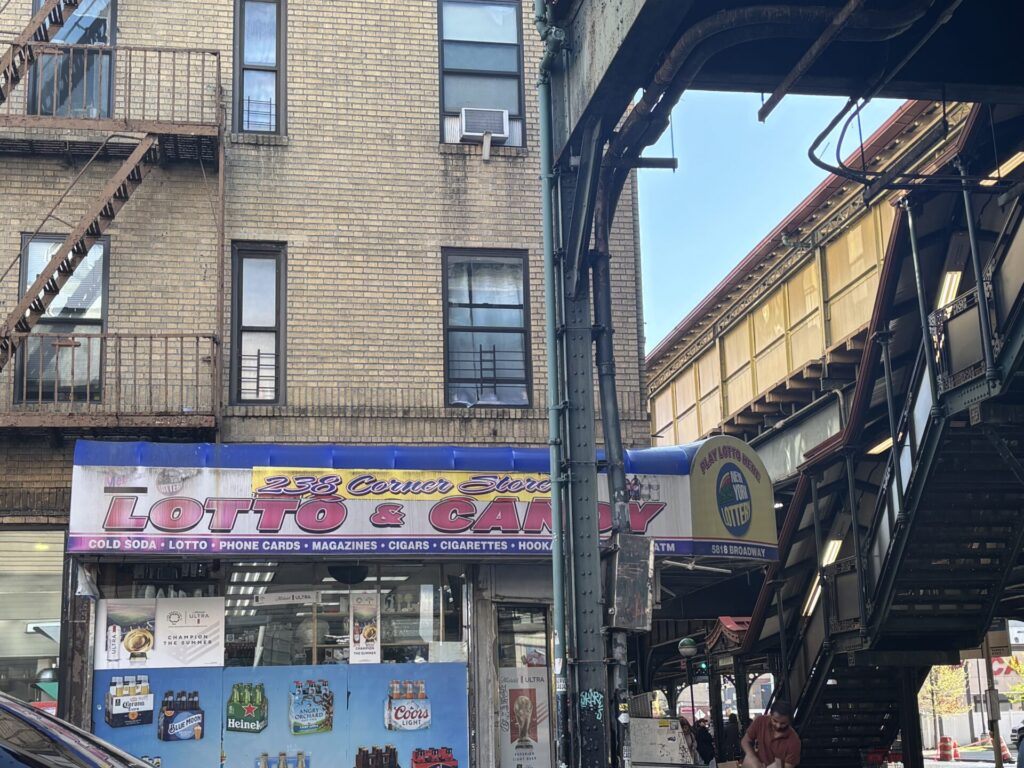
Lotto & Candy is a small neighborhood convenience store that mainly focuses on quick, everyday items. It sells packaged snacks, candy, soft drinks, and basic grab-and-go goods, along with lottery tickets and other small essentials. It serves as a quick stop for people in the area looking for inexpensive food or a fast purchase, rather than a full grocery experience, especially since it is located right near the train station.
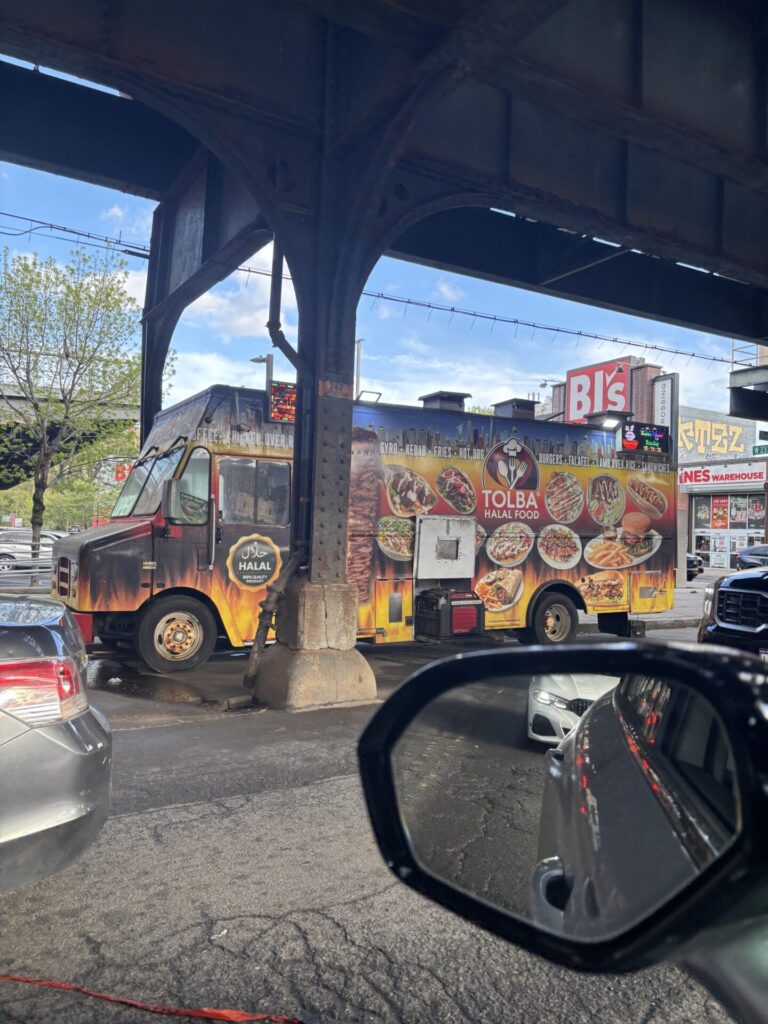
Tolba Halal Food is a street food cart that offers quick, made-to-order halal meals, typically centered on rice platters with options such as chicken, lamb, or mixed meats. It’s a fast-service spot where food is prepared and served with toppings such as salad and signature sauces. The cart caters to people looking for an affordable, filling meal on the go.
Foodscape description:
The foodscape around the 238th Street–Broadway station is largely dominated by quick and accessible food options, especially limited-service restaurants. Chains like Wendy’s, Chipotle, Smashburger, and Dunkin make up a significant portion of the area, showing how corporate fast food plays a major role in shaping what people eat in this neighborhood. These places emphasize convenience, affordability, and speed, which suggests that many people in the area rely on takeout or quick meals rather than sit-down dining. There are very few full-service restaurants, with Bronx Alehouse standing out as one of the only spaces designed for a longer, more social dining experience. In contrast, the high number of limited-service spots and the presence of a halal food cart highlight how the neighborhood prioritizes fast, ready-to-eat meals. The halal vendor also demonstrates how street food contributes to the local food environment by offering affordable, culturally diverse options. On the retail side, there are fewer options overall, mostly small-scale delis, bodegas, and markets rather than large supermarkets. This suggests limited access to a wide variety of fresh or bulk grocery items. Instead, residents may depend on smaller stores for everyday needs, which often carry more processed or convenience foods. Overall, the neighborhood’s foodscape reflects a strong focus on convenience and fast food, with fewer opportunities for full grocery shopping or sit-down meals.
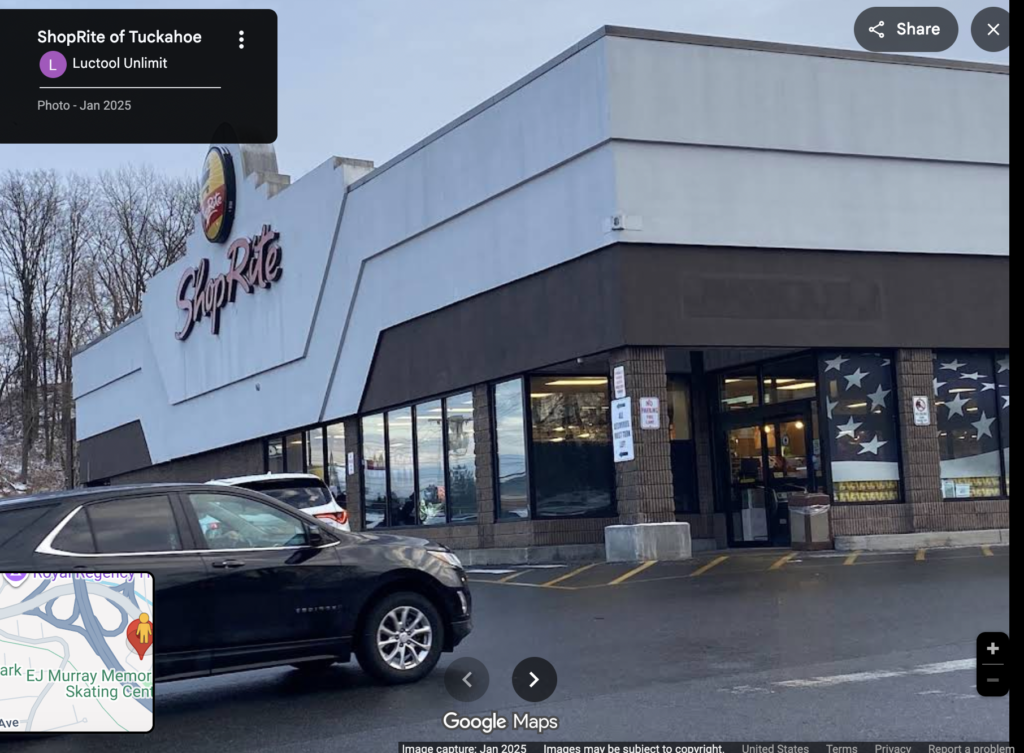
The grocery store ShopRite of Tuckahoe is a good example of how food, shopping, and the local economy can change over time. I have been shopping there since I was about 11 years old, when I first moved to Yonkers. Even though I now live back in the Bronx, I still go there to do most of my grocery shopping. One reason is that the store has a larger selection of products than many grocery stores in my area, and it usually feels more organized and reliable. Over time, it has become a place that many people from nearby communities depend on for groceries and everyday items. This shows how location and a store’s reputation can influence where people choose to shop and what they buy. Even though there are grocery stores closer to where I live, I still travel to ShopRite because it has more variety and a better overall shopping experience. Stores like this attract customers not only because of what they sell, but also because people get used to shopping there and start to trust them. When a store becomes known for having better options, people are often willing to go out of their way to shop there. It also shows how businesses are located in certain areas to attract more customers, since grocery stores near busy neighborhoods or shopping areas usually get more traffic, which can affect where people buy their food and how often they shop.
Sociological Question: How much do location, product variety, and store reputation influence where people choose to buy their groceries?
The video “Cultural Shift: Women’s Roles in the 1950s” by NBC News Learn explains how women during the 1950s were often expected to stay at home and take care of the house, children, and cooking. Society pushed the idea that a woman’s main role was to support her husband and manage the home. Today, in 2026, kitchen culture has changed a lot because both men and women work in professional kitchens and also share responsibilities at home. Even though things have improved, there are still conversations about gender roles in restaurant kitchens, especially in leadership positions like head chefs.
How have changing gender roles influenced who works and leads in kitchens today compared to the 1950s?
This video shows growing frustration among Americans who believe tipping expectations have moved beyond conventional service professions. According to a WalletHub survey, approximately 90% believe tipping culture has become “out of control.”Many people are unhappy about being asked to tip in places where tipping was not previously expected, especially as inflation and economic constraints tighten budgets. This backlash reflects a broader discussion about whether tips should remain voluntary expressions of gratitude or whether firms should reconsider how they compensate employees.
Has tipping culture gone too far in America, or is it still an important way to support service workers?
Stress eating is when people eat to cope with emotions rather than actual hunger. The video explains that stress releases hormones that make you crave sugary or fatty foods because they give quick comfort. It also says noticing your triggers and doing something else, like taking a walk, can help break the habit.
This video highlights food in Italy and America and explains why Americans often report feeling better after eating abroad. It explores differences in food quality, ingredients, and processing methods in the United States. Overall, demonstrates that using simpler, more natural substances may significantly affect how people feel.
Question: Do you think America could change its food system to be more like Italy’s?
Mia (she/her)
Need help with the Commons?
Email us at [email protected] so we can respond to your questions and requests. Please email from your CUNY email address if possible. Or visit our help site for more information: