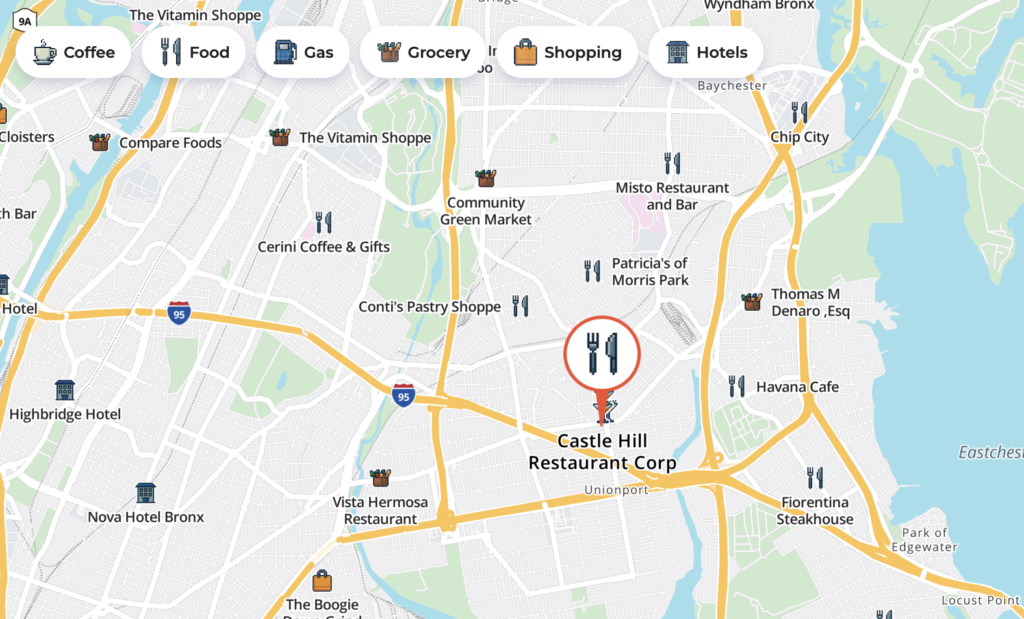
• MAP OF CASTLE HILL

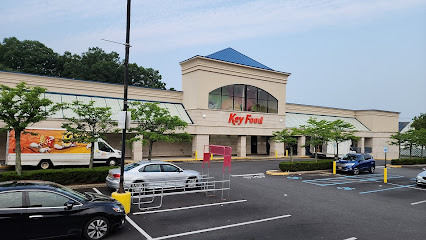
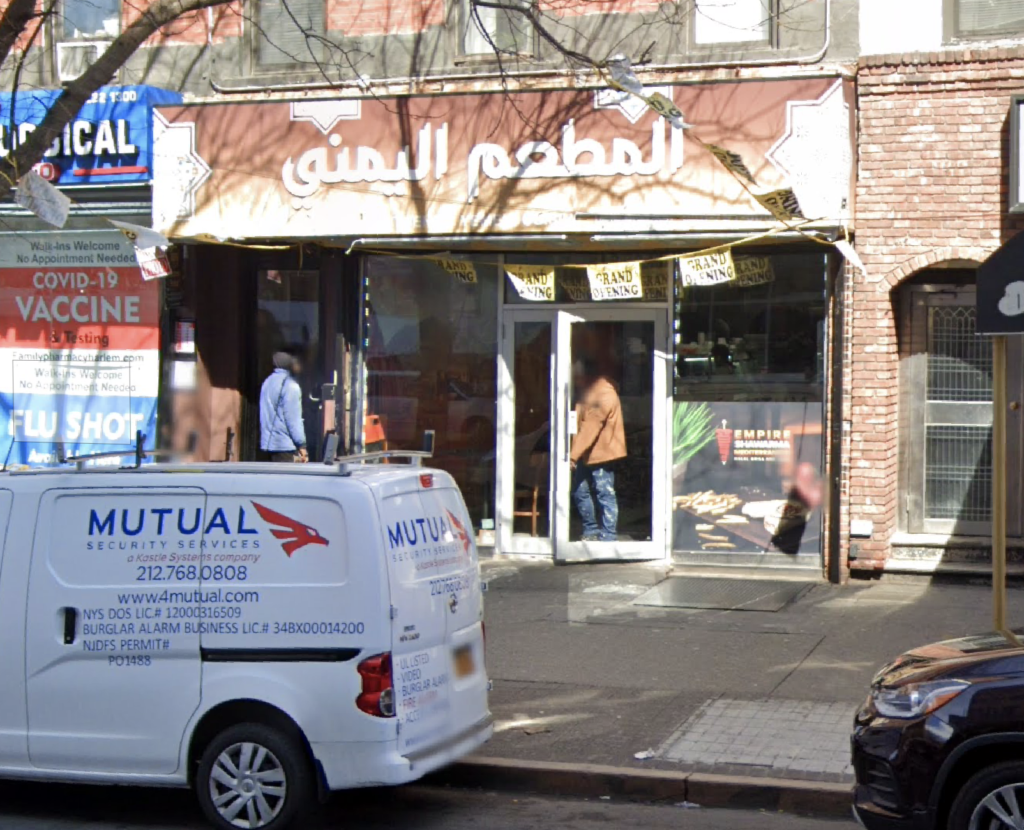
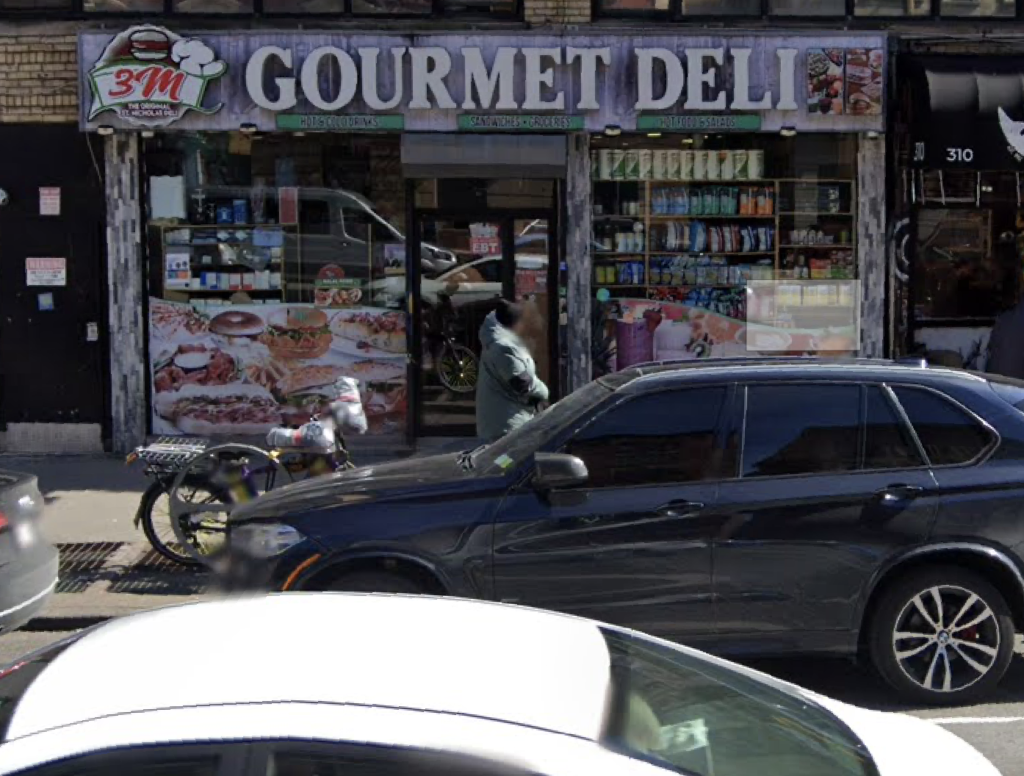
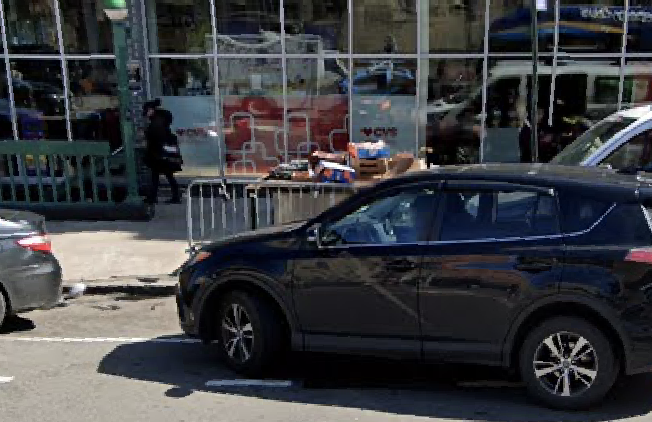
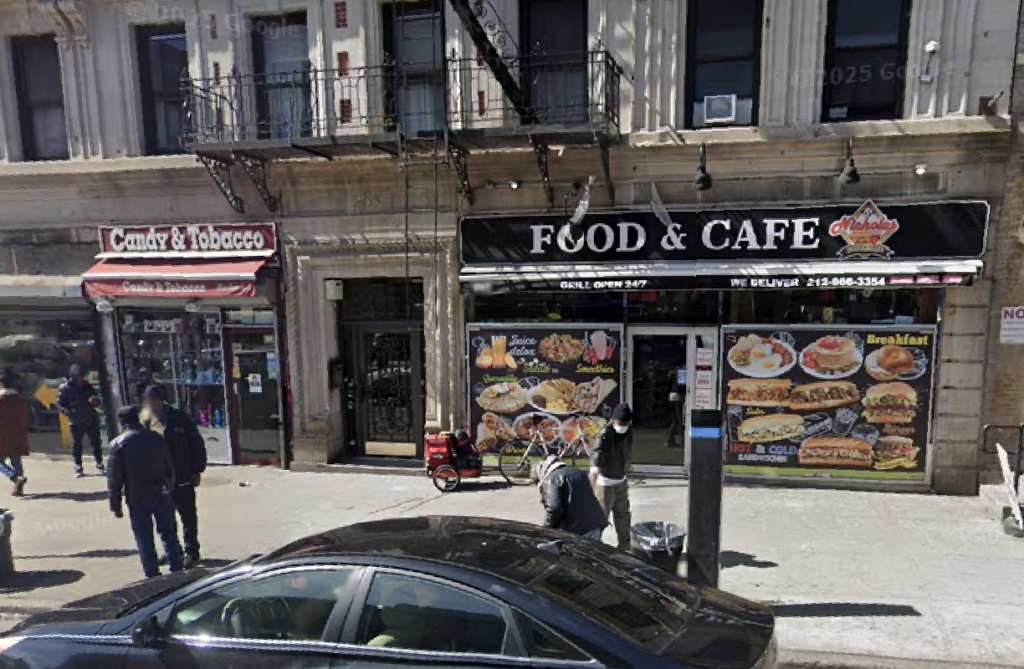
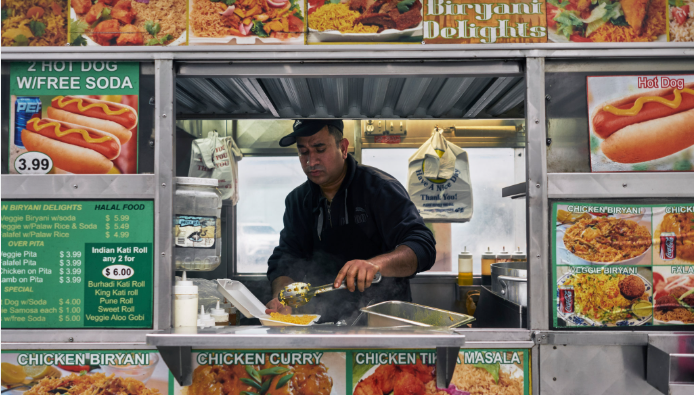
    While researching food businesses in Castle Hill in the Bronx, I started noticing how much New York City depends on immigrant workers to keep the food system running every day. During busy evening hours, restaurants, delis, pizza shops, and takeout places were filled with customers ordering food while workers rushed around trying to keep up. Employees were cooking, taking orders, cleaning, handling cash registers, and preparing delivery pickups all at the same time. Outside many restaurants, delivery workers waited with bicycles and mopeds while checking apps like Uber Eats, DoorDash, and Grubhub for new orders.

    One thing that stood out to me was how invisible this labor can feel. Customers mostly focused on getting their food quickly, but they did not really pay attention to how stressful and demanding the work was for employees. Many workers spoke Spanish with each other and switched to English when talking to customers, which showed how immigrant communities help support these businesses through shared language and community networks. A lot of workers seemed exhausted, especially during rush hours, but they still had to move quickly to keep customers satisfied.

    I also noticed how important affordable food is in working-class neighborhoods like Castle Hill. Many restaurants advertised cheap combo meals and lunch specials because local families depend on inexpensive food after long workdays. At the same time, businesses try to keep prices low by depending on workers to do multiple jobs for low wages. Delivery apps also increase pressure because workers are expected to deliver food faster and faster to earn enough money.

    This research made me realize that food businesses are more than just places to eat. They reflect immigration, hard work, culture, and economic struggles happening across New York City. It also made me think differently about the people behind everyday meals that many of us take for granted.

    Do you think food delivery apps and restaurants are doing enough to support the workers who keep the system running?
    Posted

    in

    by

  • Media:

    1. https://www.tiktok.com/t/ZTB8mMdaD/ (Breakfast rush)
    2. https://www.tiktok.com/t/ZTB8uuykH/ (Rushing to eat/no breaks)

    What caught my attention in both videos was how they exposed the invisible labor behind food service work. The breakfast-rush video showed cooks constantly multitasking under pressure while trying to keep up with the pace and customers’ expectations during busy hours. It made me realize that restaurants depend heavily on workers’ ability to handle stress, physical exhaustion, and nonstop movement to maintain fast service. As discussed in class, “If you don’t cook what you eat, someone else does.” This reveals that even when consumers do not prepare their own meals, the food still relies on someone else’s labor behind the scenes, often unnoticed.

    The second TikTok revealed another side of food service labor by showing workers rushing to eat, struggling to take breaks, and dealing with exhaustion during long shifts. Together, the videos made me think about how food service jobs normalize overworking and exhaustion as part of the industry. This reflects our class discussion of invisible labor, as the focus is usually on efficiency and customer satisfaction, while the physical and emotional pressure experienced by workers is often ignored and undervalued.

    Question:

    1. I wonder why essential food workers are often overlooked despite how important their work is to everyday life?
    2. To what extent are food service workers expected to work through long shifts without proper breaks?

    Posted

    in

    by

    0 responses

    To reply, click:

    Cooking: food service

  • Media: “Nurse & Blue Collar Worker Meal Prep for the Week” (TikTok)

    Link: https://www.tiktok.com/t/ZTB8mm1rD/n

    Meal prep videos like this one often show people buying groceries and preparing food on their day off to make busy workweeks easier. At first, these videos may look aesthetic or motivating, but they also reveal the labor behind cooking. Meal prepping involves grocery shopping, cooking, cleaning, organizing, and planning meals ahead of time, which are all forms of unpaid domestic labor. This connects to our discussion of cooking and food work because meal prep is not just a “self-care” routine, but labor that helps people continue working, especially those with long or irregular schedules.

    The discussion on food sovereignty and domestic labor also made me realize that cooking at home is not equally accessible to everyone. Meal prep culture often assumes people have enough time, money, energy, and stable schedules to maintain these routines consistently. However, many working-class families may struggle to sustain this lifestyle because of financial stress, caregiving responsibilities, exhaustion, or limited resources. Online meal prep culture can make cooking seem like a personal lifestyle choice, even though class, gender, income, and work conditions strongly shape who is actually able to maintain these routines.

    Question:

    Does the way meal‑prep culture appears on social media reflect a realistic option for most working people and families, or does it hide how unequal and exhausting domestic food labor can be?

    Posted

    in

    by

    0 responses

    To reply, click:

    cooking

  • The video explains that eating at home can save a lot of money compared to eating out at restaurants or ordering fast food. When people cook at home, they can buy ingredients like rice, vegetables, meat, and spices in larger amounts, which is usually cheaper than buying single meals. The video also shows that restaurant food costs more because you are paying not only for the ingredients, but also for cooking, workers’ salaries, delivery, and business profit. These extra costs make eating out much more expensive over time. Eating at home helps people control their spending and avoid wasting money on takeout or delivery fees. It also allows families to plan meals and use leftovers, which saves even more money. Another benefit is that home-cooked food is often healthier because people can choose what ingredients to use and how much salt, oil, or sugar to add. Overall, the video shows that cooking and eating at home is a smart way to manage money, reduce unnecessary spending, and still enjoy good meals.

    What are some reasons people still choose to eat fast food even though cooking at home is cheaper?

    Posted

    in

    by

    0 responses

    To reply, click:

    EATING IN

  • The video explains how many popular foods are made in large factories using machines, technology, and workers. It shows foods like chicken nuggets, fries, candy, pizza dough, and chocolate being produced quickly and in huge amounts. From a sociology of food perspective, the video shows how modern society depends on mass food production and processed foods. In the past, many families cooked meals at home using fresh ingredients, but today people often buy frozen or packaged foods because they are faster and more convenient. I can personally relate to this because when my parents first moved from Bangladesh to the United States, they were busy working long hours to support our family. Because of that, we sometimes depended on fast food or frozen meals since they were cheap, quick, and easy to prepare after a long day. This experience helped me understand how work and busy lifestyles affect the way families eat. The factories in the video use machines and conveyor belts to speed up production and make every product look the same. Sociology studies how this affects people, workers, and culture. Workers in food factories may repeat the same job every day, which can make work tiring and less personal. The video also connects to consumer culture because companies advertise foods like nuggets and fries to make people buy them often. Many fast-food companies create strong brands that become part of everyday life, especially for children and teenagers. Overall, the video is not only about how food is made, but also about how modern society, technology, capitalism, and culture shape the way people eat today.

    How does the rise of fast food and processed food factories affect family traditions, health, and the way people connect through food in modern society?

    Posted

    in

    by

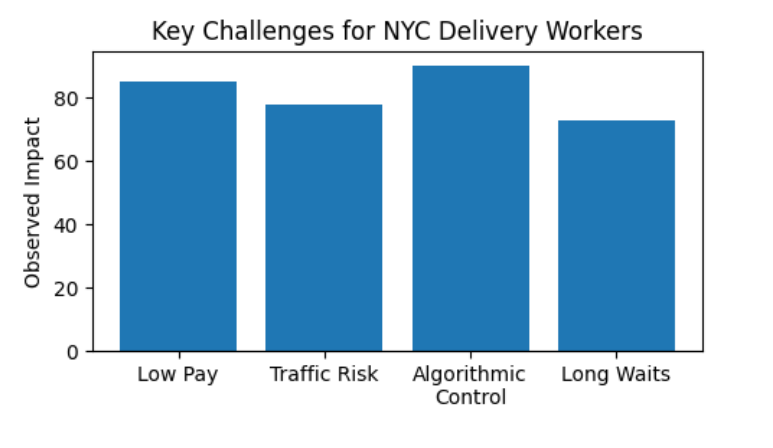
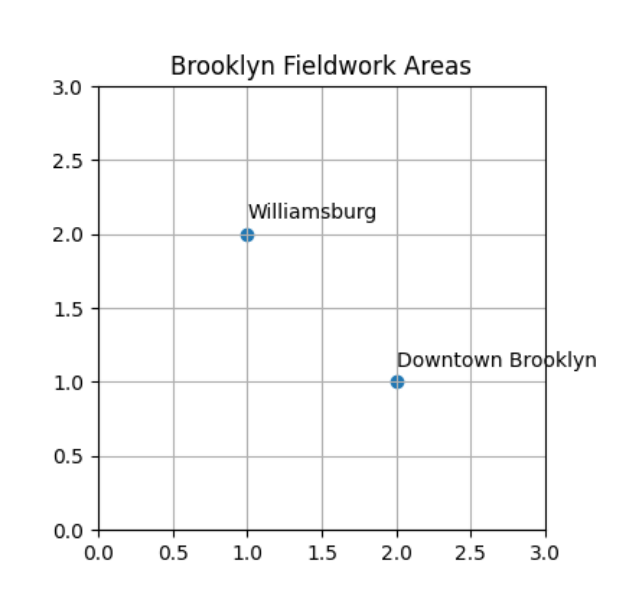
  • Food delivery apps like Uber Eats, DoorDash, and Grubhub have totally changed life in New York City. After COVID hit, grabbing dinner through an app became second nature, especially in places like Williamsburg and Downtown Brooklyn. People get their meals with just a few taps, but all that convenience rests on the backs of immigrant and working-class delivery workers who deal with crazy traffic, miserable weather, and the apps’ algorithms every single day. My research dug into how this new way of ordering food is shaking up work, restaurants, and even the city’s public spaces. Watching how things play out I saw these apps aren’t just speeding up food delivery. They’re really changing how neighborhoods work. Now, the city’s streets and sidewalks look more like pieces of a giant logistics machine, built for speed and nonstop movement.

    One thing that stood out to me was just how much risk delivery workers take on. While they’re waiting outside restaurants, the clock’s ticking, but they’re not getting paid—they’re just hoping the app sends them another order soon. The companies talk a lot about “flexibility,” but really, these workers are watched all the time: ratings, GPS, customer reviews, you name it. Most of the workers I saw were immigrants riding e-bikes or mopeds, trying to shave off a few minutes on each run, even if that means zipping through scary intersections in Brooklyn or Manhattan.Restaurants are shifting too. I walked around Williamsburg and noticed a lot of places seemed built for pickup or app orders instead of people eating inside. The dining rooms were tiny, but there was a constant stream of delivery drivers coming in and out for online pickups. So restaurants aren’t really social hangouts anymore. Now, it’s more about getting food out the door fast—so it lands in someone’s apartment a few minutes later. Food is turning into just another product, hustled across the city straight to your doorstep.

    These apps change the city in ways you notice right away. Suddenly, the sidewalk outside your favorite spot is crowded with delivery workers waiting for orders. Bikes and mopeds zip past everywhere, and the city doesn’t really feel like separate neighborhoods anymore—it feels like one big, efficient machine built for convenience. The more I looked into it, the clearer it got: food delivery apps aren’t just about tech or easy meals. They’re wrapped up in bigger issues like inequality, migration, and how technology runs our lives in urban spaces. Sure, customers enjoy the perks, but it’s the delivery workers who take on most of the risks, both economic and physical. All this ends up changing how people connect with their neighborhoods, food, and even the streets themselves.

    Posted

    in

    by

    0 responses

    To reply, click:

    Extra Credit 2

  • Food service is one of the most grueling work environments according to existing and current employees. Besides the barely livable wage some make and the long stressful hours, many are food insecure. One tik toker by the username of @giovanniskitchen, documents his food on his lunch breaks. Usually they’re scraps of food or left overs from plates that got sent back and when he is lucky it’ll be a full meal on occasion. From his videos I’ve noticed that this is a norm for many service workers who are feeding their customers but don’t have the privilege to eat for themselves. https://www.tiktok.com/t/ZP8pScefM/

    Posted

    in

    by

    0 responses

    To reply, click:

    The Diet of A NYC line cook

  • https://www.youtube.com/watch?v=cpCU78NMyjA

    As the economy continues to take a turn for the worst especially in major cities, young adults along with others for centuries are cooking at home more often. This trend might indicate a recession however, I believe this skill building habit is good for us. Think about the average cost of a meal out in New York City. On the cheaper end it might run you $30-$50 at a restaurant but on average people spend upwards of $200 on meals and drinks. Meal-prepping is one that really stuck with gen-z as it’s cost efficient and convenient with busy schedules. Many students and even people with 9-5s participate to decrease cost of living. Meal-prepping isnt just a thing for “gym bros” but a lasting solution to the ever increasing cost of living in a major city.

    Posted

    in

    by

    0 responses

    To reply, click:

    Cooking At Home To Save Money

  • Eating out in New York City has become increasingly unsustainable for many people because even basic meals now come with high prices, delivery fees, taxes, and tips that quickly add up. A simple lunch or coffee run can easily turn into a daily expense that becomes difficult to maintain over time, especially for students and young workers trying to save money. While NYC’s food culture encourages convenience and constantly trying new places, it can also normalize overspending and disconnect people from cooking for themselves. For many residents, learning how to cook at home, meal prep, or shop intentionally has become less of a lifestyle trend and more of a financial necessity.

    https://www.brokenpalate.com/p/in-new-york-the-cost-of-dinner-has

    Posted

    in

    by

    0 responses

    To reply, click:

    Eating Out in NYC

  • https://www.youtube.com/watch?v=EG34nT4-cYM

    Meal prepping has become one of the easiest ways for people to stay healthy while saving time and money throughout the week. Preparing meals in advance creates structure, reduces the temptation to constantly buy food outside, and makes healthy eating feel more realistic during busy days. For me, meal prepping also feels personal because it gives a sense of control and stability, especially during stressful weeks when everything else feels rushed. Even something simple like packing fruit, rice bowls, or homemade sandwiches ahead of time can turn eating into more of an intentional habit instead of a last-minute decision.

    Posted

    in

    by

    0 responses

    To reply, click:

    Why Meal Prepping Is The Best Way To Eat In

  • This video goes over the lengths that Famous Fish Market goes to to keep their food consistent every day. Most notably, they change their fryer oil every single day. Despite having a small and simple menu, they go above and beyond to keep the quality of their food high.

    Would Famous Fish Market do more business if they sacrificed the quality of their food to reduce their prices?

    Posted

    in

    by

  • I think that most people would expect a restaurant like this to be bad and only exist as a status symbol, but apparently the food is actually very good. The restaurant even puts the Louis Vuitton logo on as much of their food as possible.

    Why would a Louis Vuitton branded cake be appealing to people?

    Posted

    in

    by

    0 responses

    To reply, click:

    Eating Out: Le Café Louis Vuitton

  • Posted

    in

    by

    0 responses

    To reply, click:

    Keyfood

  • Bringing Communities Together Through Food shows how sharing meals can connect people from different backgrounds and create a sense of belonging. The video highlights how food serves as common ground for people to interact, even if they don’t share the same culture or experiences. This connects to the idea that food is more than just nourishment—it creates space for conversation, relationships, and understanding. Overall, it demonstrates how something as simple as cooking and eating together can help build stronger, more connected communities.

    Why does cooking and eating together create a sense of community?

    Posted

    in

    by

    0 responses

    To reply, click:

    Bringing People Together Through Food

  • https://www.instagram.com/p/DX4DAQZifBz/?igsh=NGV3MGlvMHpuZWZ3

    This is an Instagram post discussing actress and Goop business owner, Gwyneth Paltrow’s new “restaurant chain” that she is opening in New York. Rather than opening up restaurants where people can sit, or even take out options, she is opening seven delivery-only locations around the city to order $20 dollar salads and sandwiches to your door directly. These almost function like ghost kitchens which we discuss earlier on in the semester. I find this really interesting because her entire brand is luxury, high-end health products, and I would assume (I guess incorrectly) that this would include a gourmet and expensive dining in option. This is a very smart business model as she does not need to pay rent for storefronts and only needs a kitchen and online ordering platform. This is a very real representation of what dining is like in our city and country nowadays, and even the most high-end brands cater to this on-demand shift. Further, it takes away a sense of community and belonging and continues to strip away the personality of restaurants and food in New York City.

    Question: How does this Goop Kitchen reflect a greater shift in dining like we have discussed? How is this a more public facing example of these ghost kitchens and what does it mean for our city?

    Posted

    in

    by

  • Subway Stop: 125th St A C B & D Trains 

    Harlem, New York City 

    GOOGLE MYMAP: MYMAP

    Food System Map
    5 minute radius from (subway station, line): 125th St ACBD Trains
    Researchers (initials): A.M
    CategoryCount
    Food Service (prepared meals or beverages)
    Restaurants – full service7
    Restaurants – limited service14
    Bar / Coffee / Beverage6
    Street Vendors – service (permitted)4
    Street Vendors – service (informal)1
    Total Service Establishments32
    Food Retail (food products or ingredients)
    Big Box Retailer0
    Supermarket1
    Market (small or specialty retailer)4
    Deli / Bodega8
    Street Vendors – retail (permitted)2
    Street Vendors – retail (informal)1
    Total Retail Establishments16
    Additional Indicators
    Chain establishments (all types)12
    Independent establishments (all types)36
    Street Vendors (total)8
    Total Food Businesses Identified48


    The foodscape around the 125th St A/B/C/D station in Harlem is dense, busy, and shaped by the movement of commuters, residents, students, workers, and shoppers. Food businesses are concentrated along 125th Street, with more activity near subway entrances and major intersections. The dominant food spaces are limited-service restaurants, fast food chains, delis/bodegas, coffee shops, street vendors, and takeout-oriented businesses, showing that this area is organized around speed, convenience, and constant pedestrian traffic.

    A clear pattern is the mixture of national chains and independent neighborhood businesses. Chains like Chick-fil-A, Popeyes, Pizza Hut, Dunkin’, McDonald’s, and Whole Foods show the presence of corporate food systems and standardized service. At the same time, independent restaurants, soul food spots, halal carts, bodegas, and small markets reflect local culture, immigrant labor, and Harlem’s neighborhood identity. This creates a foodscape where corporate brands and community-based food spaces exist side by side.

    The area reveals how food is connected to class, labor, race, culture, and urban change. Whole Foods and higher-end restaurants suggest gentrification and changing consumption patterns, while bodegas, fast food, and street vendors provide more affordable and accessible meals. Many businesses depend on visible service labor, such as cashiers, cooks, servers, delivery workers, and vendors, while hidden labor includes food prep, stocking, cleaning, waste removal, and app-based delivery coordination.

    The cuisines include soul food, fried chicken, pizza, halal food, coffee, burgers, and groceries. English dominates most signs, but cultural food spaces also suggest multilingual and immigrant food traditions. The heavy presence of delivery apps, takeout windows, and mobile orders shows how digital platforms shape food exchange. Overall, this foodscape shows Harlem as a place where food reflects inequality, cultural identity, convenience, and neighborhood change.

    Alisa Mosarrat

    Posted

    in

    by

    0 responses

    To reply, click:

    Food Scape Map 125th St ACBD Subway Stop

  • “Inside a Massive Tomato Ketchup Factory: How Ketchup is Made (Complete Process)” takes viewers through the industrialized production of ketchup, starting from the harvesting and transportation of bulk amounts of tomatoes, moving to their cleaning, crushing, cooking, and filtering processes, and then to blending them with sugar, vinegar, and spices. It ends with the automatic filling and packaging of the final products. The production line shows an emphasis on cleanliness, precision, and efficiency, as machines regulate the temperature, viscosity, and pace of the manufacturing process to produce consistent products on an enormous scale. Such production reflects the reality of most food production in today’s world, as food products undergo extensive industrial processing to fulfill worldwide needs. However, such large-scale production also brings into focus several social problems, including monocultural agriculture, extensive food processing, and detachment between consumption and production. While such food manufacturing provides convenience and food security, it also poses serious questions regarding the sustainability of agricultural practices and the health implications of industrialized foods.

    What implications do the industrialized manufacturing of staple condiments like ketchup have for our dependency on processed foods, and what are the repercussions for both public health and sustainable agriculture?

    Posted

    in

    by

    0 responses

    To reply, click:

    Tomato Manufacturing

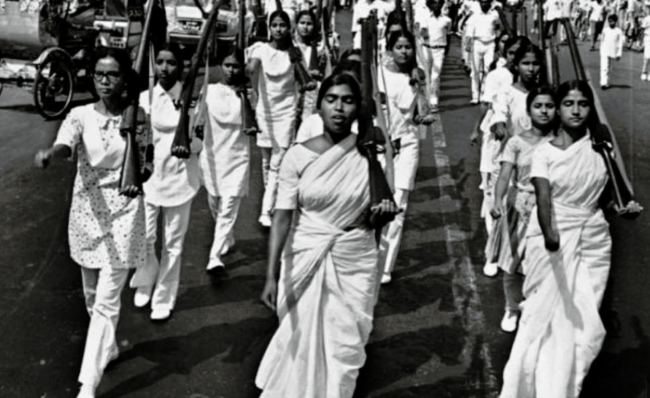
  • Every morning I wake up, look at my stomach, and hope Winston Churchill is rotting in his grave. While that might sound like a reach, my biology is actually keeping a very specific, very bitter receipt. Most people look at the metabolic crisis in the Bangladeshi community of New York City and call it a “lifestyle phenomenon,” a polite way of saying we just make poor dietary choices. But this framework is lazy; it ignores the deep historical and structural forces that shape a body long before it ever reaches a doctor’s office. What the medical system labels as a personal failure is, in reality, the biological residue of a two-century sequence of colonial extraction, reproductive violence, and systemic labor exploitation. The disproportionate rates of diabetes and metabolic syndrome among Bangladeshi Americans are not random; they are a physical record of historical trauma landed in the bodies of people who are then told the problem is simply what they eat.

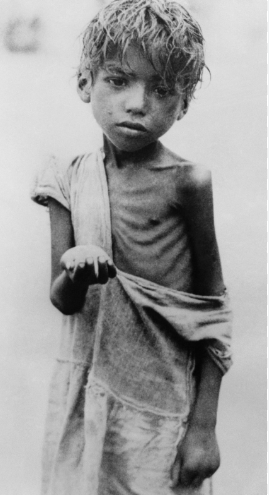
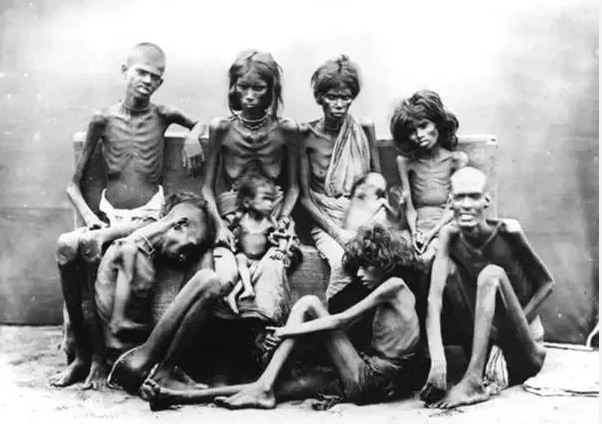
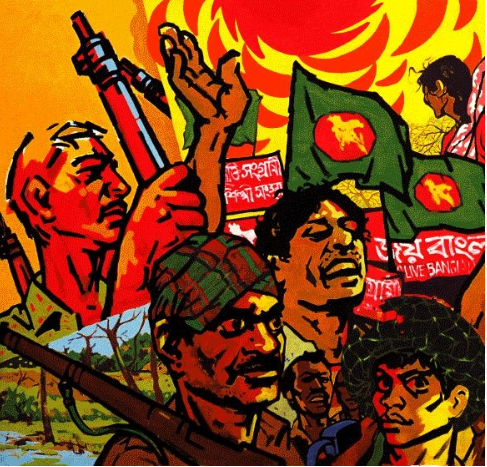
    During nearly two centuries of British rule, Bengal’s self-sufficient food systems were dismantled to serve metropolitan markets through cash crop mandates like indigo and jute. This led to 31 famines in just 190 years, a staggering increase from only 17 famines in the preceding two millennia. This cycle of extraction continued into the 1971 genocide, where a campaign of reproductive violence and state-sponsored famine targeted the biological continuity of the Bengali nation through the bodies of women. Emerging research indicates that such severe maternal trauma and acute nutritional deprivation leave an “epigenetic signature” on offspring. These changes to DNA methylation patterns alter stress responses and hormonal regulation, creating a heightened metabolic vulnerability that persists across generations. For the grandchildren of survivors, the risk of disease is not just about today’s diet, but about the starvation and violence our ancestors endured decades ago.

    In New York City, this biological vulnerability meets a modern food system built on a similarly extractive logic. While the male street vendor at the halal cart is the visible face of this labor, a largely invisible “female architecture” sustains the entire community. In the Bronx, 74% of Bangladeshi women are overweight or obese by South Asian standards, with staggering rates of diabetes and hypertension. These women often carry a “triple burden”: the formal labor of healthcare where they work grueling 24-hour shifts as home health aides, the informal community food preparation that feeds the city’s workforce, and the unpaid domestic management of the household. Working a 24-hour shift on poverty wages in a body that already carries the biological imprint of generational deprivation is the kind of compounded physical stress that manifests as chronic disease.

    The tragedy of this crisis is compounded by a medical system that measures our bodies against the wrong standard. Western BMI cutoffs were designed for European populations, yet South Asians face metabolic risk at much lower thresholds, overweight at 23 rather than 25, and obese at 27.5 rather than 30. By relying on dietary counseling and generic metrics, the public health framework effectively undercounts the risk and ignores the chronic physical stress of 12-hour vendor shifts and 24-hour care shifts. To see this “biological shadow” is to acknowledge that a sociology of food cannot just be about taste; it must account for the colonial histories embedded in the bodies doing the cooking and the women sustaining them at home.

    Posted

    in

    by

    0 responses

    To reply, click:

    The Biological Shadow: Behind The Plate

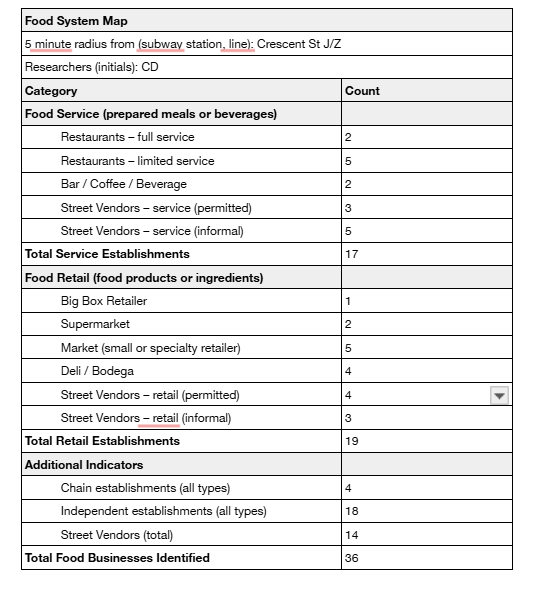
  • https://www.google.com/maps/d/u/0/edit?mid=1JSGPx0xhNKzS0ElJhFuPQ9IHi4Ja40w&usp=sharing

    Foodscape Description: 

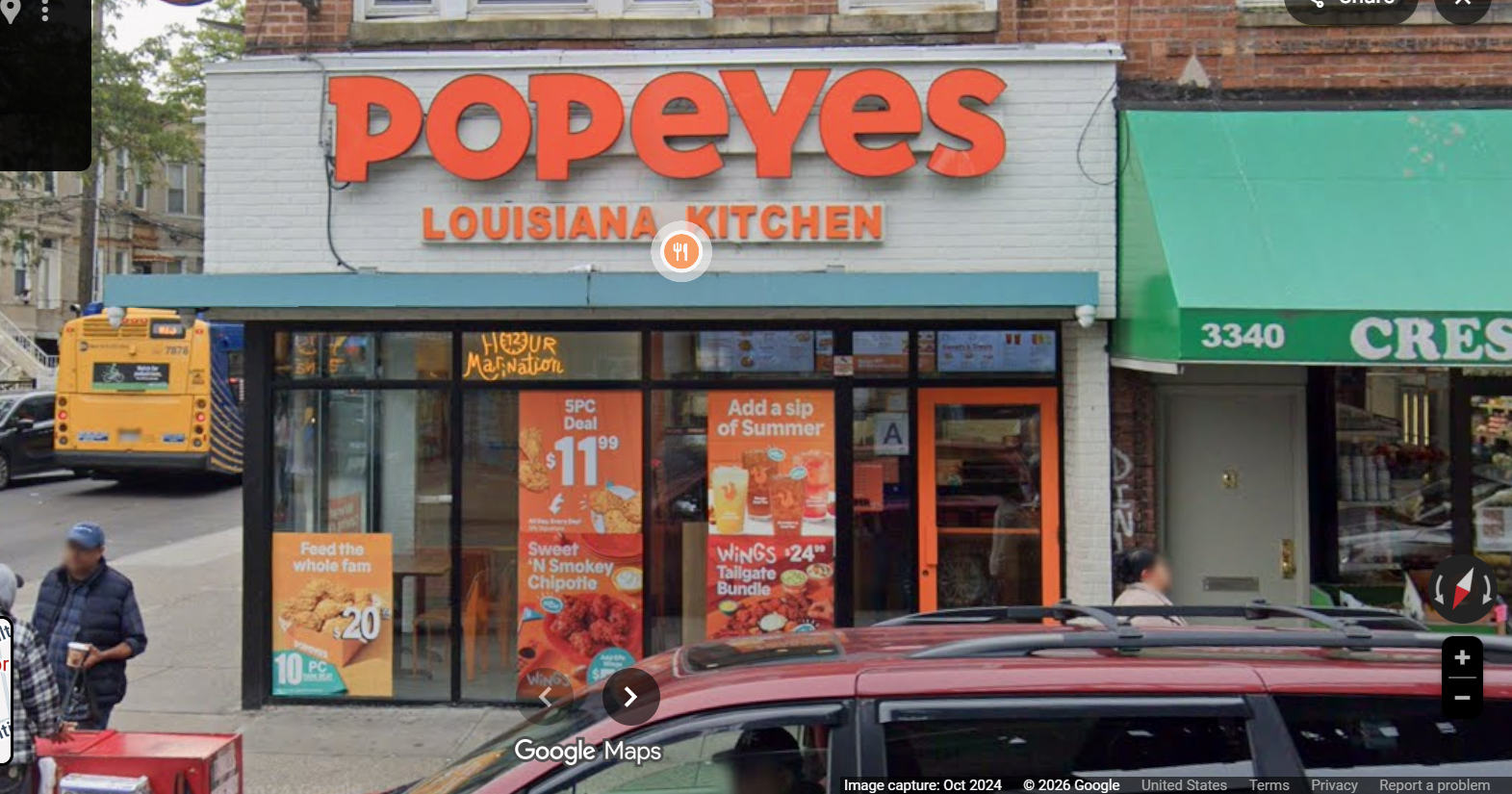
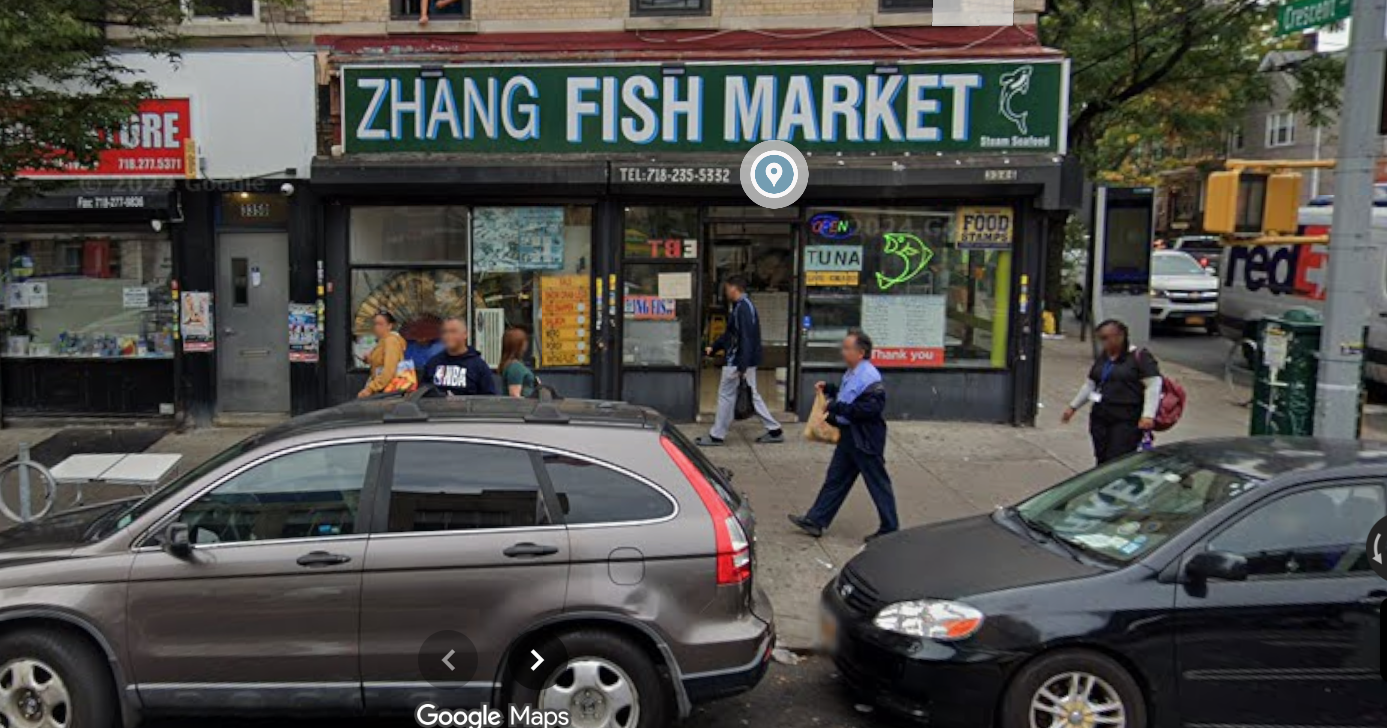
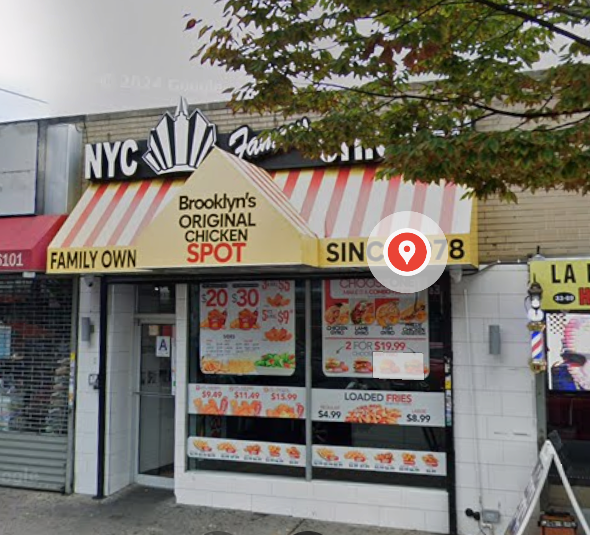
    The area around Crescent Street Station (J/Z) is filled with quick and affordable food options. Fulton Street, in particular, has many food businesses within a short walking distance. This makes it a busy spot for commuters and local residents. Most of the food places are limited-service restaurants, especially fried chicken shops, Chinese takeout, and Latin American eateries. Many of these focus on takeout and delivery rather than dine-in service. Latin American cuisine stands out, with Dominican, Ecuadorian, and Caribbean influences seen in restaurant names, menus, and signage. Spanish is commonly spoken, showing the neighborhood’s cultural mix. Though national chains like Popeyes and Dunkin’ have multiple locations, they do not dominate the area. Most businesses are independently owned and cater to local tastes. Street vendors, both licensed and informal, add to the food options available, bringing the total to seven and increasing access to ready-to-eat food. These vendors are especially common near busy areas like the subway entrance. Access to retail food mainly comes from small markets, bakeries, and bodegas instead of big supermarkets. Overall, the food scene reflects a working-class, immigrant neighborhood where convenience, affordability, and cultural familiarity shape everyday life, creating strong ties between local commerce and community.

    Posted

    in

    by

    0 responses

    To reply, click:

    Crescent St J/Z

  • The world is progressing in many ways but manufacturing is progressing in an incredible rate for companies to improve their system to the next level. Society in itself will always evolve and so will the demand that these food companies need to meet and the machines are certainly proof that they are keeping up. These machines are creatively made to where manufacturing isn’t something the current society need to worry about being behind on.

    Critical Question : If the manufacturing world keeps evolving at this rate with these machines, will the demand of the society just get more and more greedy and unrealistic?

    Posted

    in

    by

    0 responses

    To reply, click:

    Manufacture has come a long way