Subway Stop: 125th St A C B & D Trains
Harlem, New York City
GOOGLE MYMAP: MYMAP
| Food System Map | |
| 5 minute radius from (subway station, line): 125th St ACBD Trains | |
| Researchers (initials): A.M | |
| Category | Count |
| Food Service (prepared meals or beverages) | |
| Restaurants – full service | 7 |
| Restaurants – limited service | 14 |
| Bar / Coffee / Beverage | 6 |
| Street Vendors – service (permitted) | 4 |
| Street Vendors – service (informal) | 1 |
| Total Service Establishments | 32 |
| Food Retail (food products or ingredients) | |
| Big Box Retailer | 0 |
| Supermarket | 1 |
| Market (small or specialty retailer) | 4 |
| Deli / Bodega | 8 |
| Street Vendors – retail (permitted) | 2 |
| Street Vendors – retail (informal) | 1 |
| Total Retail Establishments | 16 |
| Additional Indicators | |
| Chain establishments (all types) | 12 |
| Independent establishments (all types) | 36 |
| Street Vendors (total) | 8 |
| Total Food Businesses Identified | 48 |
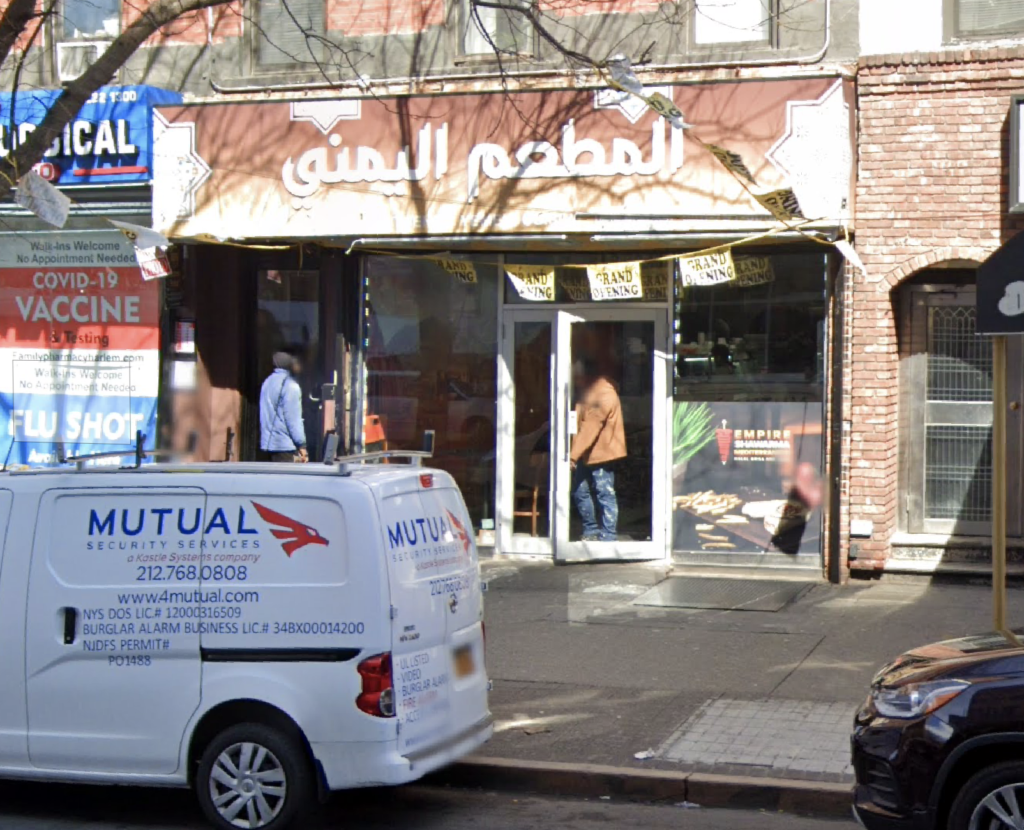
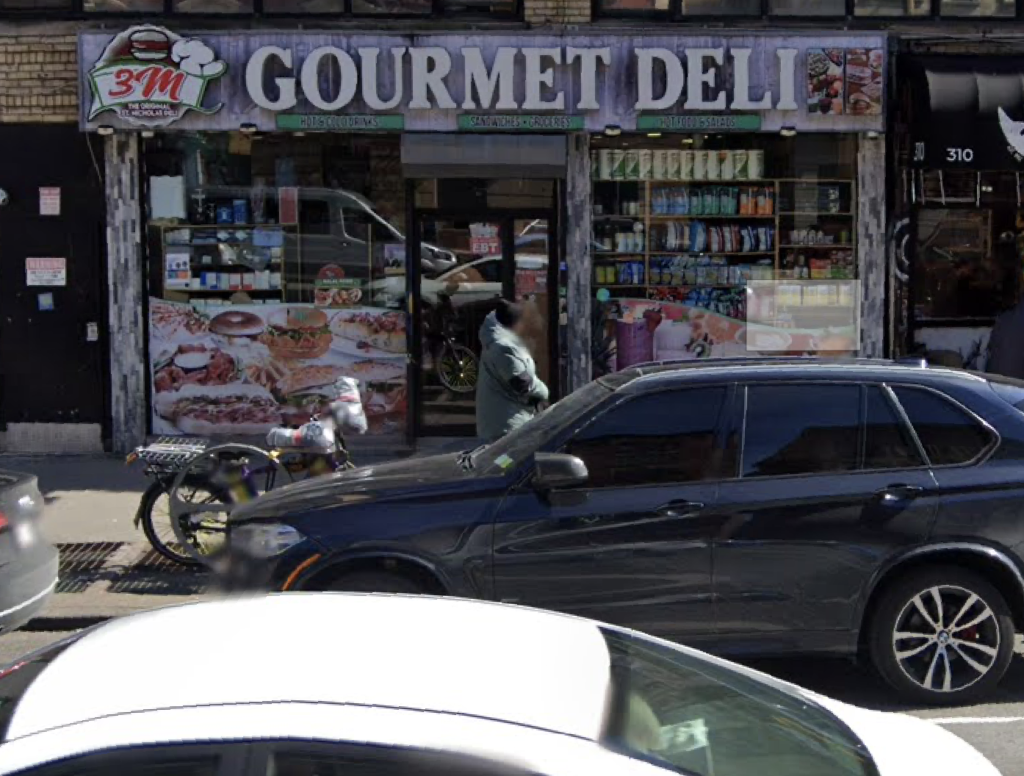
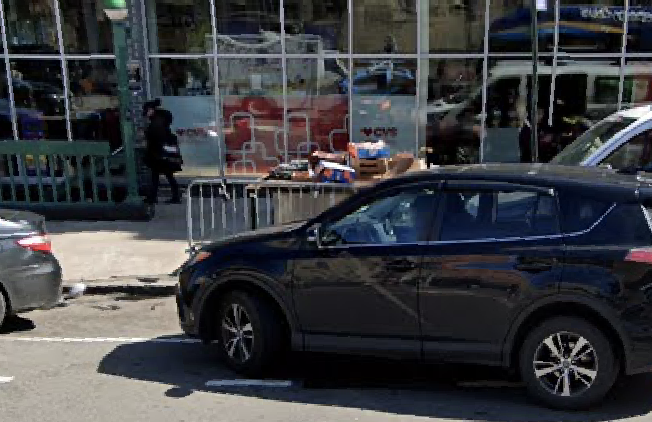
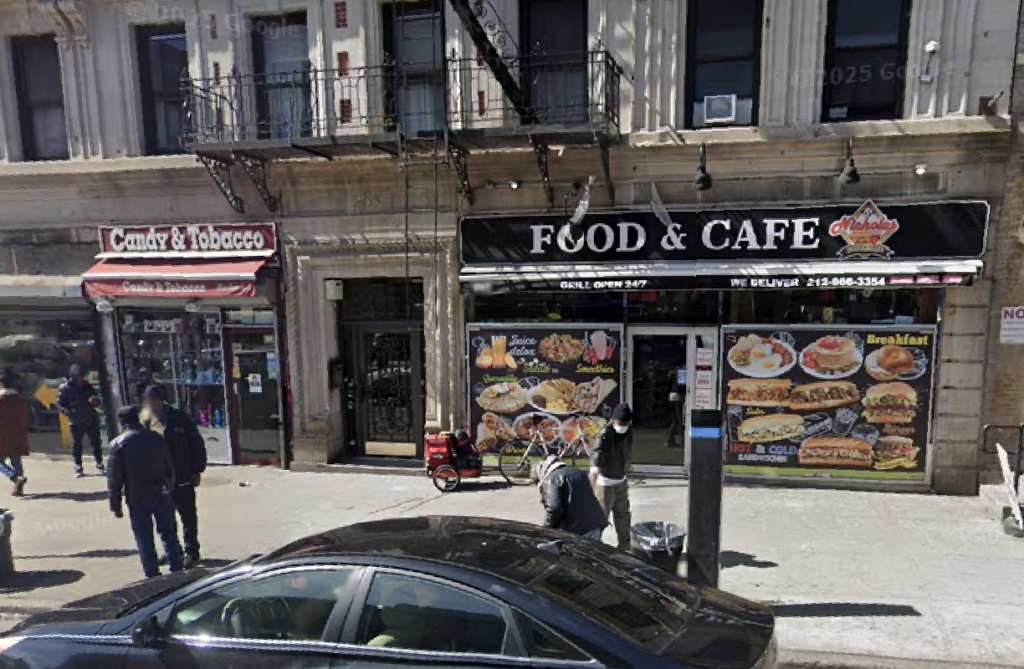
The foodscape around the 125th St A/B/C/D station in Harlem is dense, busy, and shaped by the movement of commuters, residents, students, workers, and shoppers. Food businesses are concentrated along 125th Street, with more activity near subway entrances and major intersections. The dominant food spaces are limited-service restaurants, fast food chains, delis/bodegas, coffee shops, street vendors, and takeout-oriented businesses, showing that this area is organized around speed, convenience, and constant pedestrian traffic.
A clear pattern is the mixture of national chains and independent neighborhood businesses. Chains like Chick-fil-A, Popeyes, Pizza Hut, Dunkin’, McDonald’s, and Whole Foods show the presence of corporate food systems and standardized service. At the same time, independent restaurants, soul food spots, halal carts, bodegas, and small markets reflect local culture, immigrant labor, and Harlem’s neighborhood identity. This creates a foodscape where corporate brands and community-based food spaces exist side by side.
The area reveals how food is connected to class, labor, race, culture, and urban change. Whole Foods and higher-end restaurants suggest gentrification and changing consumption patterns, while bodegas, fast food, and street vendors provide more affordable and accessible meals. Many businesses depend on visible service labor, such as cashiers, cooks, servers, delivery workers, and vendors, while hidden labor includes food prep, stocking, cleaning, waste removal, and app-based delivery coordination.
The cuisines include soul food, fried chicken, pizza, halal food, coffee, burgers, and groceries. English dominates most signs, but cultural food spaces also suggest multilingual and immigrant food traditions. The heavy presence of delivery apps, takeout windows, and mobile orders shows how digital platforms shape food exchange. Overall, this foodscape shows Harlem as a place where food reflects inequality, cultural identity, convenience, and neighborhood change.
Alisa Mosarrat


Leave a Reply
You must be logged in to post a comment.