Food service is one of the most grueling work environments according to existing and current employees. Besides the barely livable wage some make and the long stressful hours, many are food insecure. One tik toker by the username of @giovanniskitchen, documents his food on his lunch breaks. Usually they’re scraps of food or left overs from plates that got sent back and when he is lucky it’ll be a full meal on occasion. From his videos I’ve noticed that this is a norm for many service workers who are feeding their customers but don’t have the privilege to eat for themselves. https://www.tiktok.com/t/ZP8pScefM/
Author: Alisa Mosarrat
-
The Diet of A NYC line cook
-
Cooking At Home To Save Money
https://www.youtube.com/watch?v=cpCU78NMyjA
As the economy continues to take a turn for the worst especially in major cities, young adults along with others for centuries are cooking at home more often. This trend might indicate a recession however, I believe this skill building habit is good for us. Think about the average cost of a meal out in New York City. On the cheaper end it might run you $30-$50 at a restaurant but on average people spend upwards of $200 on meals and drinks. Meal-prepping is one that really stuck with gen-z as it’s cost efficient and convenient with busy schedules. Many students and even people with 9-5s participate to decrease cost of living. Meal-prepping isnt just a thing for “gym bros” but a lasting solution to the ever increasing cost of living in a major city.
-
Eating Out in NYC
Eating out in New York City has become increasingly unsustainable for many people because even basic meals now come with high prices, delivery fees, taxes, and tips that quickly add up. A simple lunch or coffee run can easily turn into a daily expense that becomes difficult to maintain over time, especially for students and young workers trying to save money. While NYC’s food culture encourages convenience and constantly trying new places, it can also normalize overspending and disconnect people from cooking for themselves. For many residents, learning how to cook at home, meal prep, or shop intentionally has become less of a lifestyle trend and more of a financial necessity.
https://www.brokenpalate.com/p/in-new-york-the-cost-of-dinner-has
-
Why Meal Prepping Is The Best Way To Eat In
https://www.youtube.com/watch?v=EG34nT4-cYM
Meal prepping has become one of the easiest ways for people to stay healthy while saving time and money throughout the week. Preparing meals in advance creates structure, reduces the temptation to constantly buy food outside, and makes healthy eating feel more realistic during busy days. For me, meal prepping also feels personal because it gives a sense of control and stability, especially during stressful weeks when everything else feels rushed. Even something simple like packing fruit, rice bowls, or homemade sandwiches ahead of time can turn eating into more of an intentional habit instead of a last-minute decision.
-
Food Scape Map 125th St ACBD Subway Stop
Subway Stop: 125th St A C B & D Trains
Harlem, New York City
GOOGLE MYMAP: MYMAP
Food System Map 5 minute radius from (subway station, line): 125th St ACBD Trains Researchers (initials): A.M Category Count Food Service (prepared meals or beverages) Restaurants – full service 7 Restaurants – limited service 14 Bar / Coffee / Beverage 6 Street Vendors – service (permitted) 4 Street Vendors – service (informal) 1 Total Service Establishments 32 Food Retail (food products or ingredients) Big Box Retailer 0 Supermarket 1 Market (small or specialty retailer) 4 Deli / Bodega 8 Street Vendors – retail (permitted) 2 Street Vendors – retail (informal) 1 Total Retail Establishments 16 Additional Indicators Chain establishments (all types) 12 Independent establishments (all types) 36 Street Vendors (total) 8 Total Food Businesses Identified 48 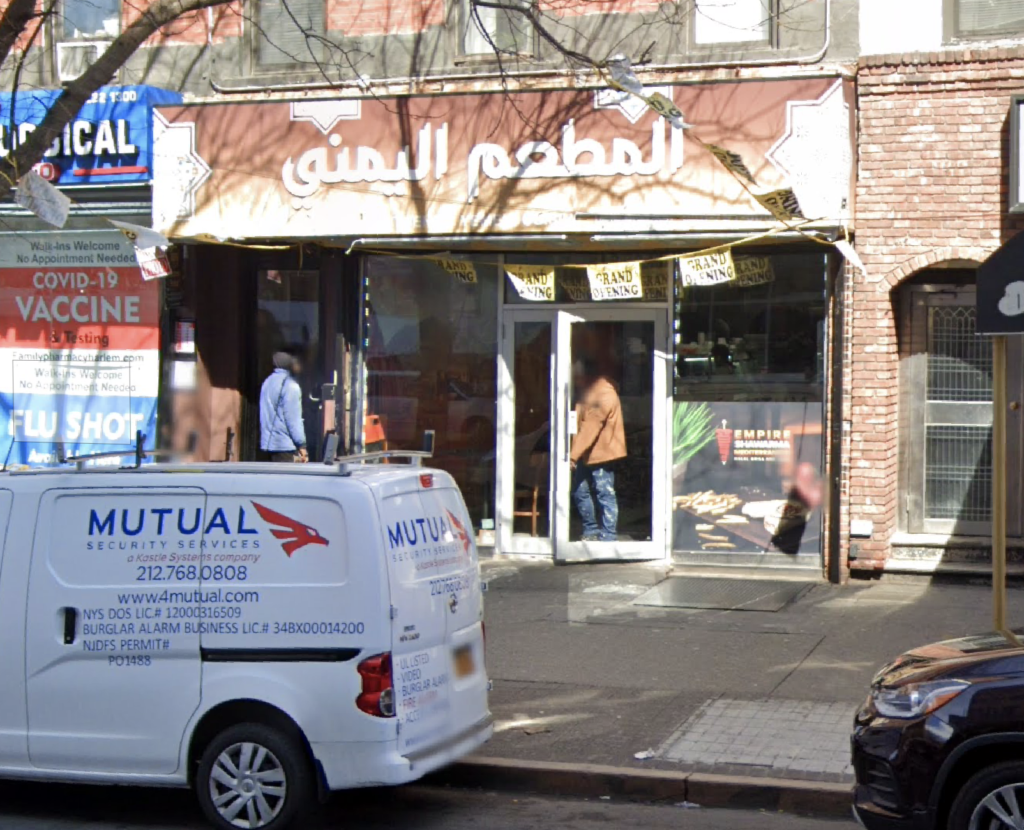
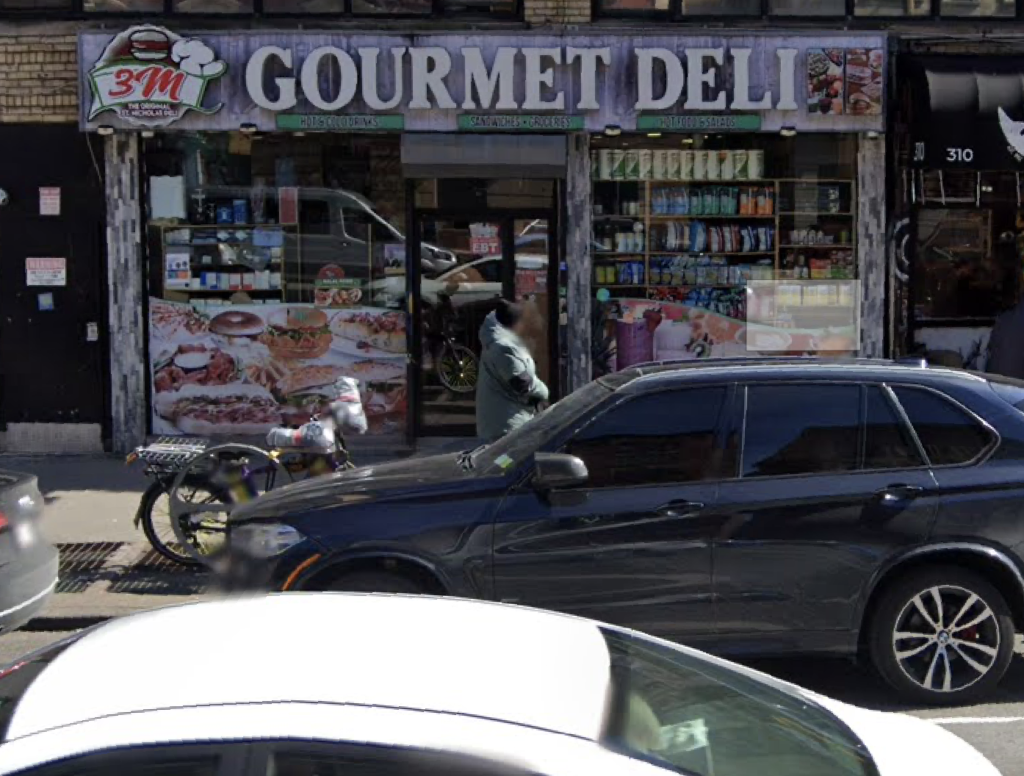
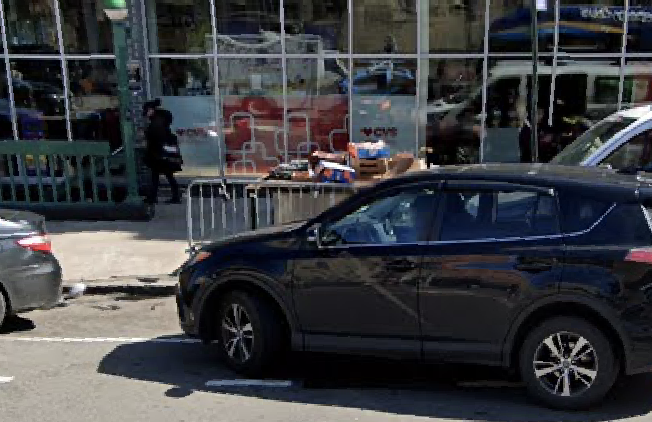
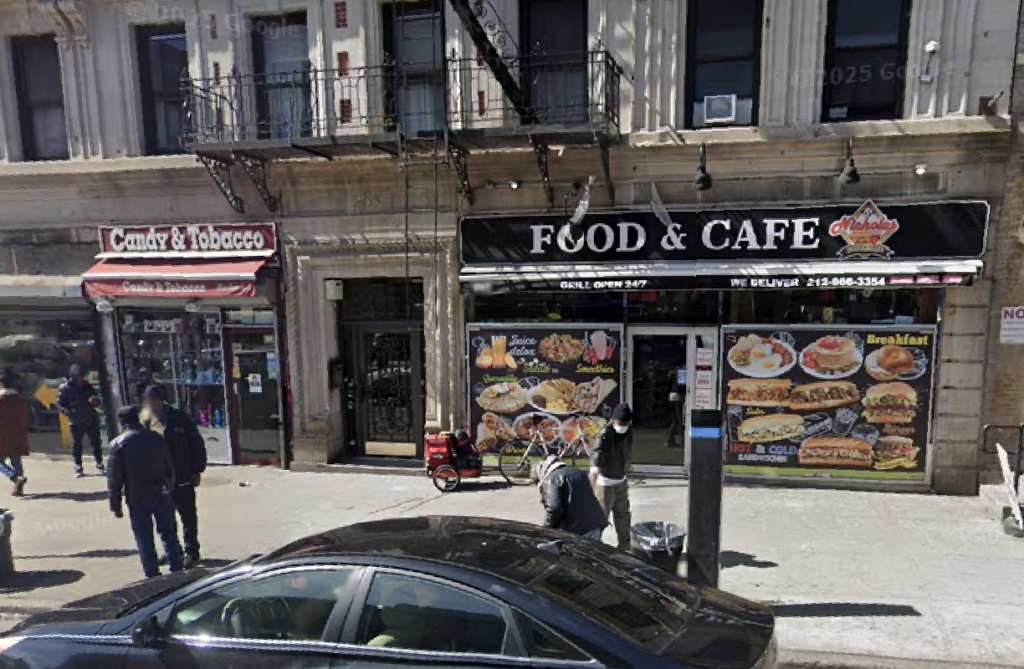
The foodscape around the 125th St A/B/C/D station in Harlem is dense, busy, and shaped by the movement of commuters, residents, students, workers, and shoppers. Food businesses are concentrated along 125th Street, with more activity near subway entrances and major intersections. The dominant food spaces are limited-service restaurants, fast food chains, delis/bodegas, coffee shops, street vendors, and takeout-oriented businesses, showing that this area is organized around speed, convenience, and constant pedestrian traffic.A clear pattern is the mixture of national chains and independent neighborhood businesses. Chains like Chick-fil-A, Popeyes, Pizza Hut, Dunkin’, McDonald’s, and Whole Foods show the presence of corporate food systems and standardized service. At the same time, independent restaurants, soul food spots, halal carts, bodegas, and small markets reflect local culture, immigrant labor, and Harlem’s neighborhood identity. This creates a foodscape where corporate brands and community-based food spaces exist side by side.
The area reveals how food is connected to class, labor, race, culture, and urban change. Whole Foods and higher-end restaurants suggest gentrification and changing consumption patterns, while bodegas, fast food, and street vendors provide more affordable and accessible meals. Many businesses depend on visible service labor, such as cashiers, cooks, servers, delivery workers, and vendors, while hidden labor includes food prep, stocking, cleaning, waste removal, and app-based delivery coordination.
The cuisines include soul food, fried chicken, pizza, halal food, coffee, burgers, and groceries. English dominates most signs, but cultural food spaces also suggest multilingual and immigrant food traditions. The heavy presence of delivery apps, takeout windows, and mobile orders shows how digital platforms shape food exchange. Overall, this foodscape shows Harlem as a place where food reflects inequality, cultural identity, convenience, and neighborhood change.
Alisa Mosarrat
-
How Latin Food is Vital to American Culture
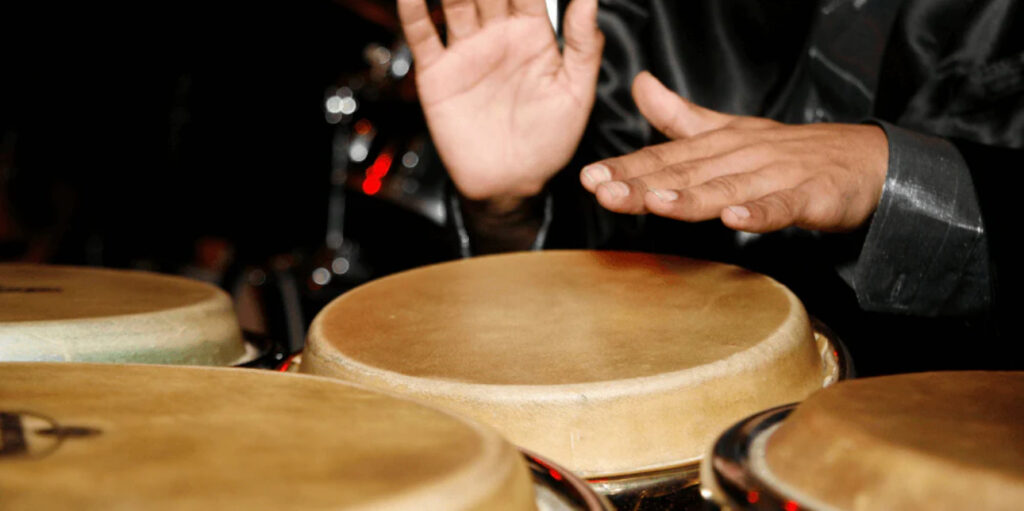
The article “Sabor, Sonidos, y Letras: How Latin American Immigrants Have Transformed the US Cultural Sphere” shows how Latin American immigrants have significantly shaped U.S. culture, making it more diverse but more so how impactful Latin food is on American culture. It highlights three major areas of influence: food, where dishes like tacos, ceviche, and empanadas have become mainstream; music, with genres such as salsa, reggaetón, and bachata gaining widespread popularity and language and literature, noting the growing presence of the Spanish language and the impact of Latin American authors on U.S. literature. These cultural contributions show how Latin traditions have become deeply woven into everyday American life.
Question: How does the integration of Latin culture affect the social image of Latinos/latinas over the years?

