Summary
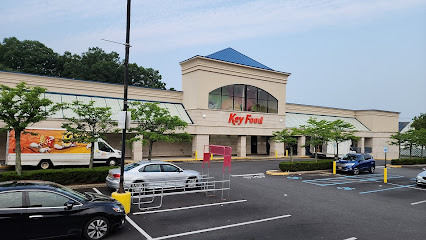
The picture above is of my local supermarket on Arden Ave, Key Food, which also happens to be my place of work. Key Food is one of the only supermarkets in my area that is close enough for people to quickly access emergency and everyday needs. Outside of Keyfood, the closest supermarket is about a 13-minute drive from where I live in Staten Island. This can be majorly inconvenient for people without reliable transportation, especially if they need to buy a lot of items. After reading Chapter 4 of Will Work for Food, I started thinking more deeply about the role retail stores like Key Food play in local communities. Even though Key Food is not as large or nationally recognized as grocery stores like Target or Walmart, it still has an important presence in Staten Island, with five locations spread across the island. This shows how smaller grocery chains can still have a major impact on neighborhoods by providing jobs, food access, and convenience to local residents.
I also think the area where I live influences the prices at the store. The most common complaint I receive from customers is how high the prices are for certain items. Over the years, my neighborhood has become predominantly white and has experienced some gentrification. I believe that because of this, prices at local supermarkets, like Keyfood, can sometimes be higher since businesses may expect residents in the area to spend more money. Overall, I believe that the change in neighborhoods by bringing in new businesses and wealthier residents can also make everyday necessities more expensive and also knock out smaller brands and vendors, ultimately making things harder for the longerstanding local residents.


Leave a Reply
You must be logged in to post a comment.