• Eating habits are highly influenced by social media today. Many people do not simply eat based on hunger or cultural tradition, but based on what is trending online. Influencers promote “what I eat in a day” videos, high-protein diets, green juices, gut health routines, and aesthetically curated meals that often become normalized as the “ideal” way to eat. This suggests that eating is not inherently personal; rather, it is socially constructed. When influencers label certain foods as clean, healthy, or superior, they transform how followers view their own bodies and food choices. Food becomes related to appearance, discipline, and even social status. Instead of eating primarily for nourishment, people may eat for aesthetics or validation. In this way, eating becomes a performance, especially when meals are photographed, filmed, and shared online.

    To add on, there is a contradiction in digital food culture. While many influencers promote expensive “healthy” lifestyles, this includes supplements, protein powders, organic groceries, and specialty products, which not everyone can afford. This creates a standard of what “healthy eating” should look like. In contrast, mukbang videos on platforms like TikTok often show a large amount of fast food and high-calorie meals. These videos gain attention because they are visually dramatic, accessible, and relatable. For some viewers, it may feel easier to connect with or watch excessive fast-food consumption than to replicate expensive health trends. Both the restrictive “clean eating” and excessive mukbang consumption shape how audiences understand normal eating behaviors.

    Not only that, influencers frequently profit from sponsorships, which connects eating directly to capitalism. Food trends are not just cultural; they are monetized. I wonder how much of what we eat is truly our own choice, and how much is shaped by digital trends, the economic inequality, and the invisible pressures of social media culture.
    Posted

    in

    by

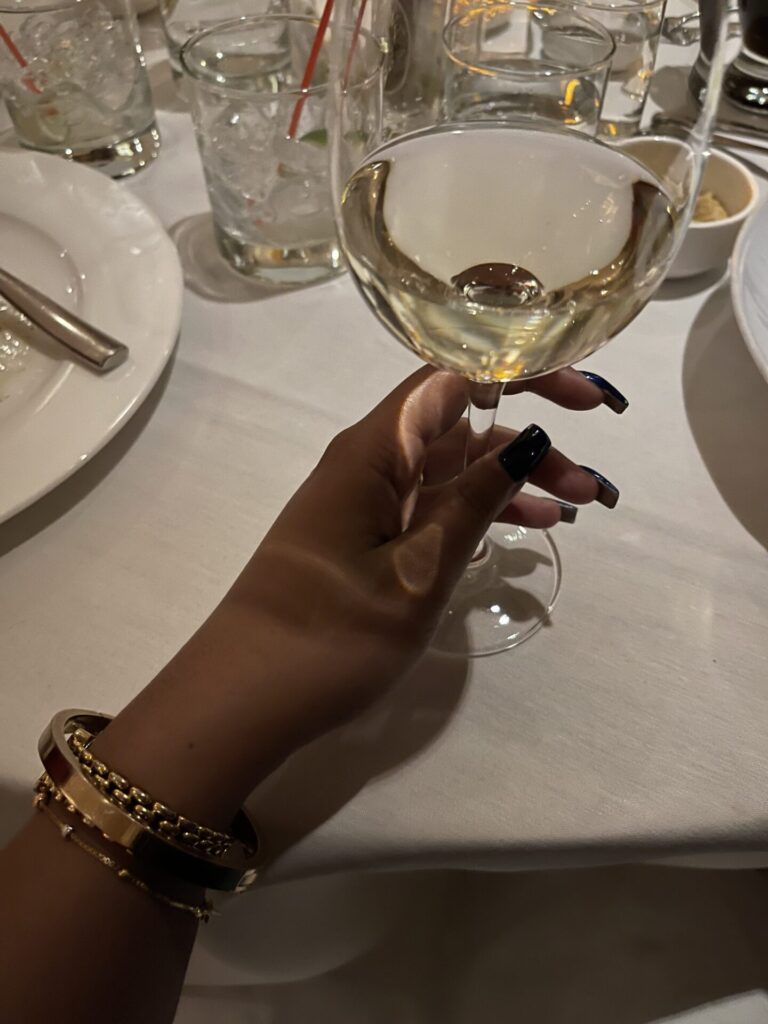
  • Choosing to eat out alone as a woman is a subtle but meaningful act of resistance to the gendered norms that shape restaurant spaces. Dining rooms have long been organized around assumptions of male independence or heterosexual coupledom, which means women are often expected to appear in relation to others rather than as autonomous subjects. Sitting down alone interrupts that script. It resists the idea that women must be accompanied, socialized, or accounted for to belong in public. In doing so, the solo diner confronts the pitying or suspicious gaze that often follows women who occupy space without a clear social anchor. What looks like an ordinary meal becomes a quiet assertion of the right to inhabit public space on one’s own terms.

    Question: If a woman can enter a restaurant freely but is still met with ‘pitying gazes,’ has the dining room actually been desegregated, or have we traded legal barriers for psychological ones?

    Opinion | Don’t Pity a Woman Eating Alone – The New York Times (we have a 4-year free membership to NYT! I highly recommend this article).

    Posted

    in

    by

    0 responses

    To reply, click:

    Party of 1: The Radical Act of Eating Alone

  • Posted

    in

    by

    0 responses

    To reply, click:

    Thanksgiving in the subway

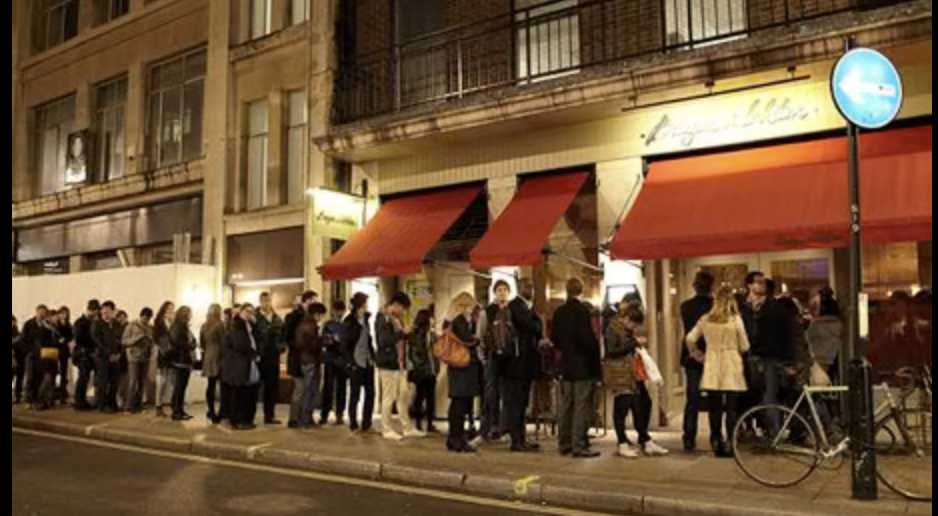
  • This Valentine’s Day reminded me that celebrating romance often depends on money, accesibility and time. As so many people wait in lines, others have a hard time even reserving a table days in advance, because many of us see Valentine’s Day as a day to get dressed up and eat in, showing how food traditions shape how we experience romance and relationships.

    Posted

    in

    by

    0 responses

    To reply, click:

    Valentine’s Day eating “in” ritual

  • Eating

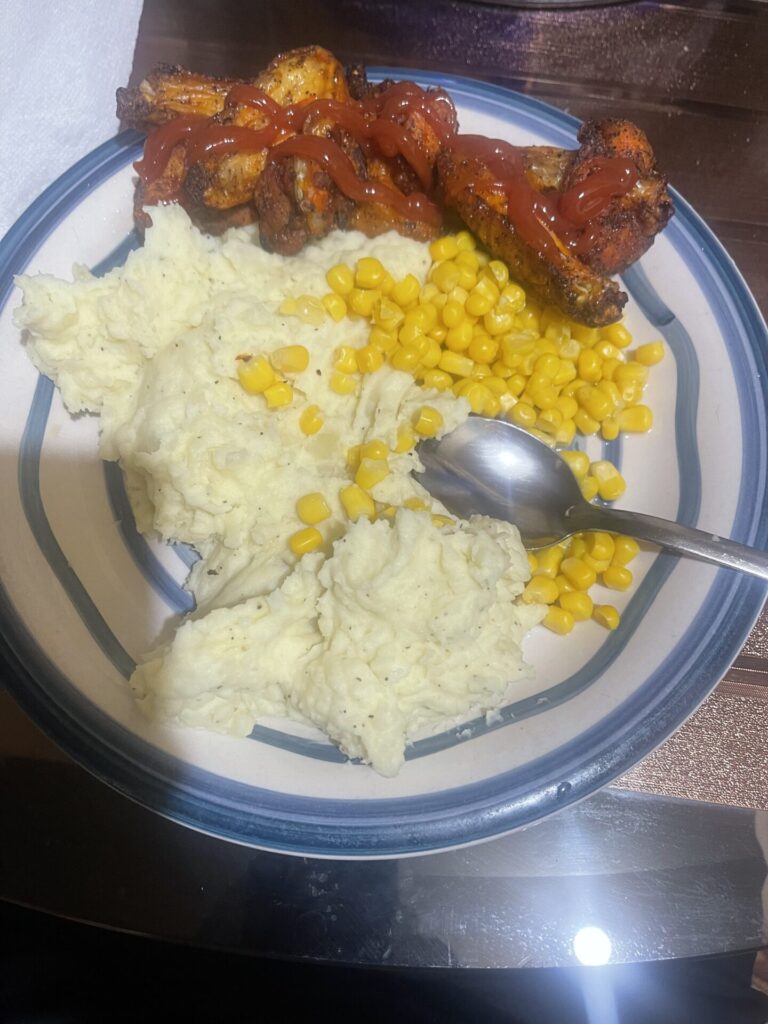
    – This a photo of what me and my father cooked together for dinner – we made chicken wings with cauliflower mashed potatoes with corn. This is something we usually make when we don’t want to make something over the top during our Sundays. This post matters to me because this is something i usually eat on a regular occasion whenever me or my dad don’t want to go out or order something. I would this matters sociologically as we spoke about we are what we eat because if we was to look at this from a sociological perspective one would say that this is something that is quick to make and this is something everyone eats based on who cooks it or how it is made.

    Posted

    in

    by

  • @strategybyro

    @Wonder is more than what it seems. Like talk about it and its founder @Marc Lore #wonder #wonderfood

    ♬ original sound – Strategy Sagas w/ Ro

    This TikTok talks about a new store that has popped up all over New York called Wonder. Wonder is a store trying to compete with other fast foods by controlling the food’s quality, timing, and delivery compared to others who try to control freshness. The CEO of Wonder isn’t a chef; he’s a businessman, which, to me, means his opinion and business model aren’t really about the food but money. The idea of Wonder can and will have catastrophic effects on how consumers eat. We might see higher delivery prices, fewer restaurants owned by the “small” people, and private equity controlling what’s left.

    Question: Does knowing the business/money aspect of how food companies run affect your dining experience? If so, how?

    Posted

    in

    by

    0 responses

    To reply, click:

    Wonder

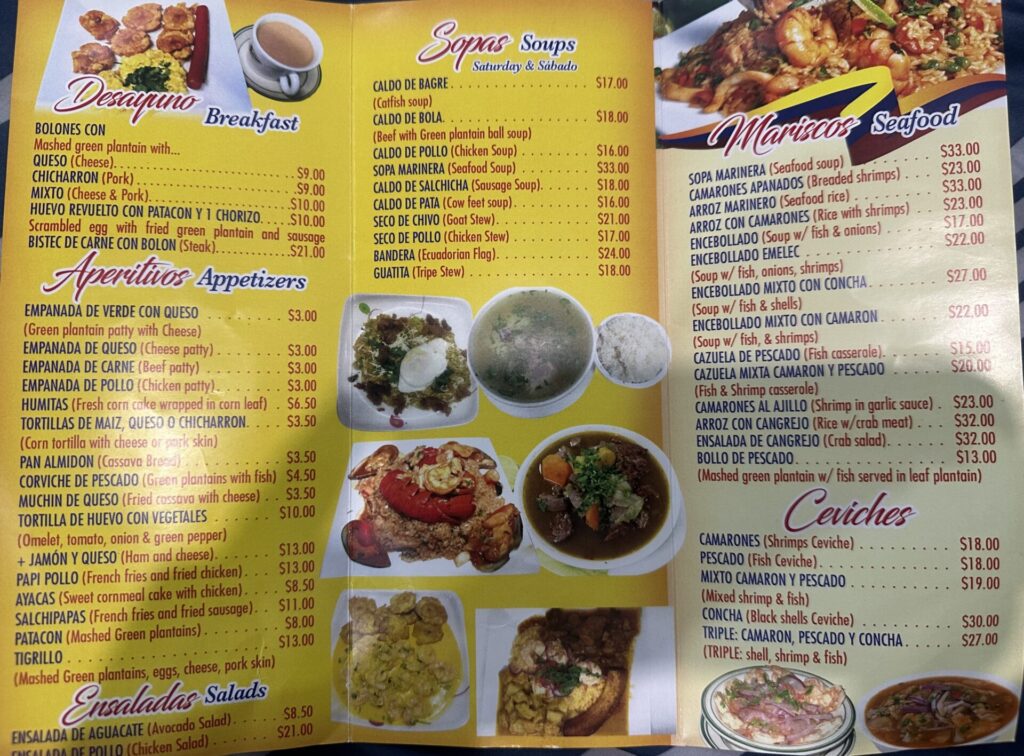
  • This menu features a variety of traditional Ecuadorian dishes, highlighting the rich flavors and cultural diversity of Ecuadorian cuisine. One of the most popular and special dishes on the menu is Encebollado de Pescado, a well-loved fish soup known for its unique and comforting flavor. It is made with fresh fish, yuca (cassava), pickled red onions, cilantro, and a flavorful fish broth. Encebollado is widely enjoyed in Ecuador and is often considered a national dish, commonly eaten for breakfast or lunch.According to the menu, Encebollado de Pescado costs $17.00, while variations such as Encebollado Mixto con Concha (fish and shellfish) cost $27.00, and Encebollado Mixto con Camarón (fish and shrimp) costs $22.00. Other seafood soups like Sopa Marinera are priced at $33.00. Breakfast items range from about $9.00 to $21.00, appetizers from $3.00 to $13.00, and ceviches range between $18.00 and $30.00, showing a range of options for different budgets.Overall, the menu reflects how Ecuadorian food combines local ingredients such as plantains, seafood, yuca, and fresh herbs to create dishes that are both affordable and culturally significant.

    How does a traditional dish like encebollado reflect Ecuador’s coastal culture, economy, and the importance of seafood in everyday life?


    Posted

    in

    by

    0 responses

    To reply, click:

    Ecuadorian Menu

  • In the YouTube video, “$6 Vs. $25 Chicken Wings,” Andrew, Steven, and Adam, compares the contrasting price and quality of chicken wings to ultimately decide which chicken wing they ate was their favorite at the end of the video. This video is not them just doing a simple food review, but rather, how the food we eat can signal status. Through a sociological lens, the video illustrates how food is used to express one’s identity, maintain social status, and adapt in social spaces. The chicken isn’t being eaten to satisfy their hunger, it’s to display the status, the labor, and the craft.

    Question: How does the price and quality of the food we eat shape our identity and lifestyle?

    Posted

    in

    by

    0 responses

    To reply, click:

    $6 vs. $25 Chicken Wings

  • Screenshot

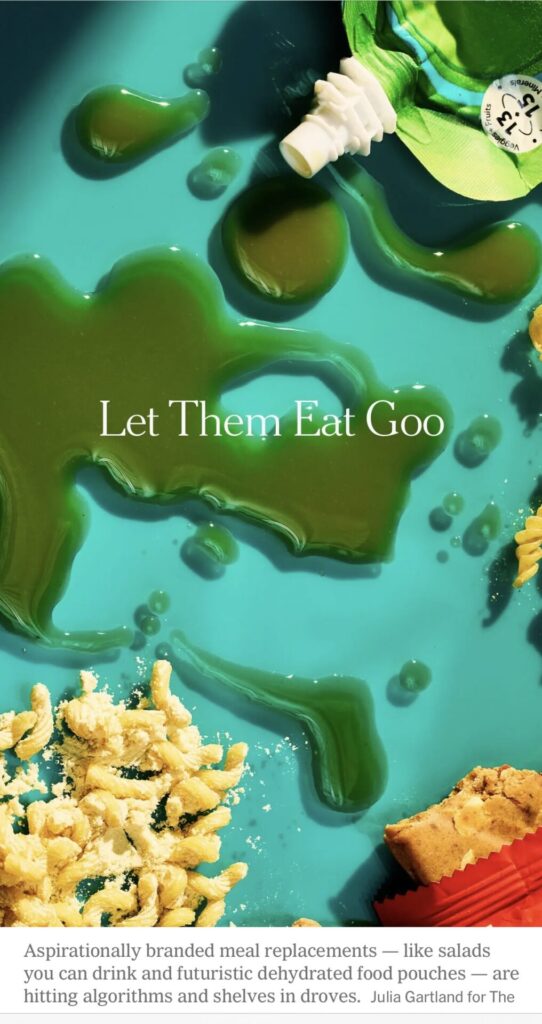
    This article discusses meal-replacement products that are being marketed to a segment of the millennial audience that is “overwhelmed (and wellness-obsessed.)”  My take away is this is a example  of the dehumanizing of eating. Marketers/ ‘food’ companies are catering to a  segment of  Americans who grew up in a home where  participating in/creating  meal time meals was non- existent leaving them no positive memories or fundamental skills to have  a healthy, balanced (and joyful) relationship with food to build upon as an adult. In addition, “Fans of these next-generation meal replacements said that, in the overstimulating landscape of late-stage capitalism, it feels good to streamline mealtime” shows that these consumers have little understanding of the relationship between these meal-replacement products and capitalism.

    Are there other ways that these meal- replacement products dehumanize eating?  

    https://www.nytimes.com/2026/02/02/dining/food-pouches-soylent.html?unlocked_article_code=1.JVA.9NI7.Z69DfXNVhc0G&smid=nytcore-ios-share

    Posted

    in

    by

    0 responses

    To reply, click:

    Let Them Eat Goo

  • Stress eating is when people eat to cope with emotions rather than actual hunger. The video explains that stress releases hormones that make you crave sugary or fatty foods because they give quick comfort. It also says noticing your triggers and doing something else, like taking a walk, can help break the habit.

    Posted

    in

    by

    1 response

    To reply, click:

    Stress Eating

  • In the article “Bad eating habits: When, what, and how often you eat matters” by UC Davis Health dietitian intern Korrie Tugal( June 22, 2023).

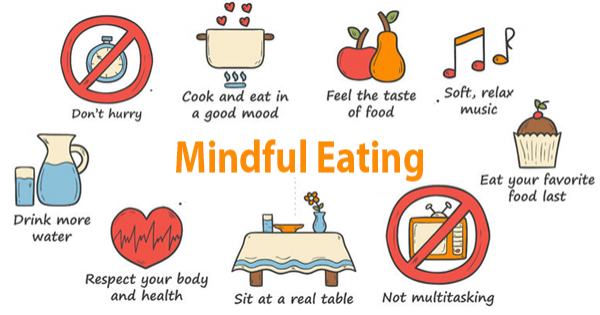
    This article explains that everyone has eating habits. It matters sociologically because people from different cultures eat at different times, and how it affects the function of the body, and the importance of eating on time. This article illustrates how some people “eat three meals a day” while others “snack throughout the day”. It gives examples of how everyday situations affect our lives and health, such as work and family, ect, and how each day can be different from the last. The authors explain how these situations can lead to “unhealthy habits,”  like “skipping meals”,  or “stress eating” fast eating, and “mindless eating,” and give some clear examples of consequences that affect your sleep patterns and reduce your sleep duration. Another way that affect your body are “weight gain, increased blood pressure, and increased risk of heart disease, indigestion, heart burn, and diabetes”. In the mental health affect are; “dizzy and irritable, and overeating” because you’ll be thinking about satisfying that urge to eat. And can lead to consuming more “processed foods” with “excessive levels of sugar, sodium, and fats,” which can cause the diseases already mentioned in this post. 

    Improving these habits are tips: “eat 2 or 3  hours” before bed time, plan your food for the week, add vegetables and fruit. “Meditation, exercise and managing stress levels”. It is important to eat with people around the table  family and friends and the importance of drinking water.   

    CQ- Which situation in your daily life affects your eating habits or your health? Have you noticed? Have you ever skipped a meal? And how do you think your body reacts?

    After reading this post, have you identified any eating habits that might affect your mental and physical health? And how will you change them?Food and Society (SOC 325)

    Posted

    in

    by

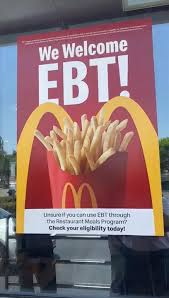
  • Restaurant Meals Program (RMP)

    Recently the government came up with the Restaurants Meals Program where individuals who don’t have a place to store or cook their food can go to different restaurants and eat. In my neighborhood there’s different fast food restaurants including McDonald’s and Sonic which are a part of this program. Fast food has been a big part of society even though the food isn’t necessarily healthy.

    Question- Why do people prefer fast food ? Also, how has fast food became a staple food ?

    Posted

    in

    by

    0 responses

    To reply, click:

    Restaurant Meals Program

  • This video talks about the differences between cultures regarding what kitchen appliances they use. It goes over how a lot of kitchen appliances aren’t actually mandatory, and how different people will choose to not use appliances that they did not grow up using despite the benefits that they provide.

    Why haven’t more western cultures started using rice cookers?

    Posted

    in

    by

    1 response

    To reply, click:

    Should we use Rice Cookers?

  • As someone who eats fast, I came across this video and realized how stupid I am for eating always so fast. In the video it shows how eating to fast can lead to your body giving your brain a lot missed signals about your current status on if you are full and if the food that you eat actually was digested properly. In a sociological standpoint so many people eat so fast and probably assume it is such a good habit or a flex but truth be told it is very much a disadvantage and in many situations can make people gain more weight.

    Question : How much of digestive problems from fast eating are caused by personal habits versus modern lifestyle pressures that encourage eating quickly?

    Posted

    in

    by

    0 responses

    To reply, click:

    Eating to fast

  • This video illustrates the concept of reproductive labor by showing how essential food work, especially when carried out by women of color, is often described as “tradition,” “duty,” or religious expectation instead of being recognized as real economic activity. This framing supports sociological arguments that the so‑called private sphere is a political space where patriarchal systems depend on women’s ongoing exhaustion to sustain households, culture, and social relationships. The pressure to perform flawlessly in the kitchen without support or autonomy reflects Rajeev Patel’s argument that women are central to the food system, yet denied meaningful sovereignty. By presenting this dynamic as a form of “weaponized religion” or culture, the video reveals how religion and culture are used to extract value from women without compensation, agency, or acknowledgment. It ultimately shows that the home functions as a site of labor exploitation that is just as consequential as the industrial farm or factory.


    Question: If the “warmth” of a culture relies on the invisibility and exhaustion of women’s labor, can we view “hospitality” not just as a social virtue, but as a mechanism of patriarchal control that preserves male status at the expense of female agency? Furthermore, how does the “sacred” nature of food work in religious or cultural contexts make it harder for women to organize or demand “sovereignty” compared to wage laborers in the public sphere?

    @whodoibecome

    Why is “simplicity” only encouraged when women’s labor isn’t what’s funding the meal? If hospitality disappears without women cooking, you need to sit down and think about the hypocrisy of it all. Religion and culture have always been weaponised to exploit women, to keep them subjugated and tired, to treat them not as people, but utility. #hospitality Exploitation of women’s labor | women’s unpaid labor | men’s hypocrisy | cultural burden of hospitality | culture is patriarchy | misogyny | weaponizing religion.

    ♬ original sound – whodoIbecome

    Posted

    in

    by

  • NY Times Video with a lunch cook at NYC’s largest middle school, I.S. 61. This video explores how 2,000 or more students get fed every day at a middle school in one of the largest public school systems in the country. She discusses how students prefer fast food options like pizza. This also plays into the fact that Ruth cooks for thousands of students a day, but her work often goes unrecognized —she also speaks Spanish and raises the question of who is doing this labor? Additionally, providing school breakfast and lunch is a matter of providing food for children who may not have food secure households.

    When we think of cooks and dining, we often forget about schools. What do we remember from our school lunches? Was it healthy? What policies go into school lunches and providing a filling, nourishing meal presumably for very cheap?

    Posted

    in

    by

    1 response

    To reply, click:

    How to Feed NYC’s Largest Middle School

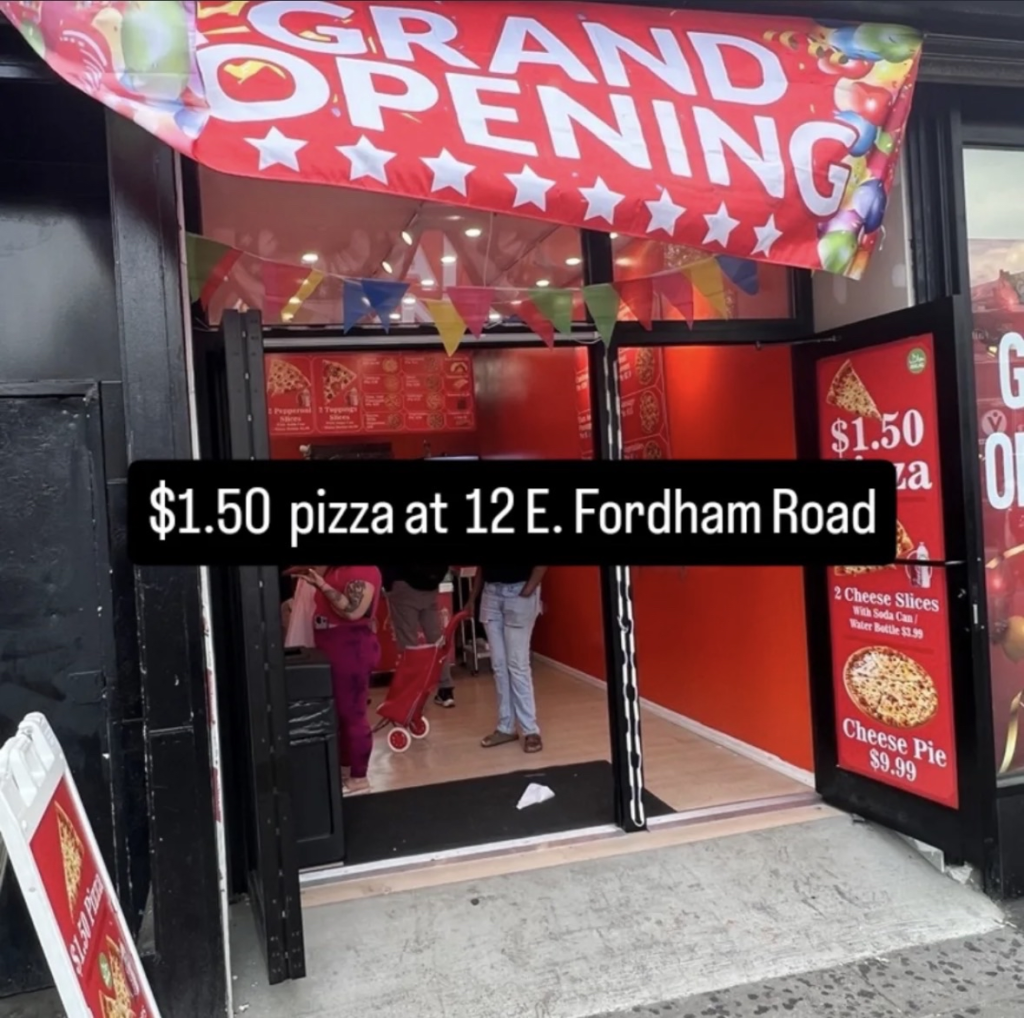
  • This is a local pizza spot in Fordham road and I am always there for a quick slice. The slice can sometimes be my breakfast or lunch but the main point is it saves me time and a lot of money. This can be seen sociologically as a way of humans trying to save time or even a quick snack that doesn’t require a big plan for just some food.

    Question : How do inexpensive, fast food options like $1.50 pizza slices shape people’s daily routines, health choices, and economic decisions, and what does their popularity reveal about time pressure, inequality, and survival strategies in life?

    Posted

    in

    by

  • This video follows a chef who uses his restaurant to carry on the food passed down by his grandmother. He talks about the process of sourcing food for his restaurant and how the history of North Korea has impacted its own cuisine.

    Can food be used as a way to spread awareness about an issue?

    Posted

    in

    by

  • https://mayorgacoffee.com/blogs/news/latin-american-impact-us-cultural-sphere?srsltid=AfmBOoq_7JGRVgl8wHaV1T7XraQAjJ1-G98Ocgo-C0JIj7PFCfmWLtwj

    The article Sabor, Sonidos, y Letras: How Latin American Immigrants Have Transformed the US Cultural Sphere shows how Latin American immigrants have significantly shaped U.S. culture, making it more diverse but more so how impactful Latin food is on American culture. It highlights three major areas of influence: food, where dishes like tacos, ceviche, and empanadas have become mainstream; music, with genres such as salsa, reggaetón, and bachata gaining widespread popularity and language and literature, noting the growing presence of the Spanish language and the impact of Latin American authors on U.S. literature. These cultural contributions show how Latin traditions have become deeply woven into everyday American life.

    Question: How does the integration of Latin culture affect the social image of Latinos/latinas over the years?

    Posted

    in

    by

    0 responses

    To reply, click:

    How Latin Food is Vital to American Culture

  • Posted

    in

    by