my annotated google map: https://www.google.com/maps/d/edit?hl=en&mid=1Zpw-VJGMmcQkrfzeMNKI_0_s-d5RgWk&ll=40.642494592567004%2C-74.0765545188399&z=18
my food scape table:
| Food System Map | |
| 5 minute radius from (subway station, line): St George, Staten Island Railroad | |
| Researchers (initials): Arianna Duran | |
| Category | Count |
| Food Service (prepared meals or beverages) | |
| Restaurants – full service | ~ 8 |
| Restaurants – limited service | ~ 14 |
| Bar / Coffee / Beverage | ~ 6 |
| Street Vendors – service (permitted) | ~ 1 |
| Street Vendors – service (informal) | 0 |
| Total Service Establishments | 29 |
| Food Retail (food products or ingredients) | |
| Big Box Retailer | 0 |
| Supermarket | ~ 1 |
| Market (small or specialty retailer) | ~ 3 |
| Deli / Bodega | ~ 5 |
| Street Vendors – retail (permitted) | 0 |
| Street Vendors – retail (informal) | 0 |
| Total Retail Establishments | 9 |
| Additional Indicators | |
| Chain establishments (all types) | ~ 9 |
| Independent establishments (all types) | ~ 30 |
| Street Vendors (total) | ~ 2 |
| Total Food Businesses Identified | 42 |
Foodscape description:
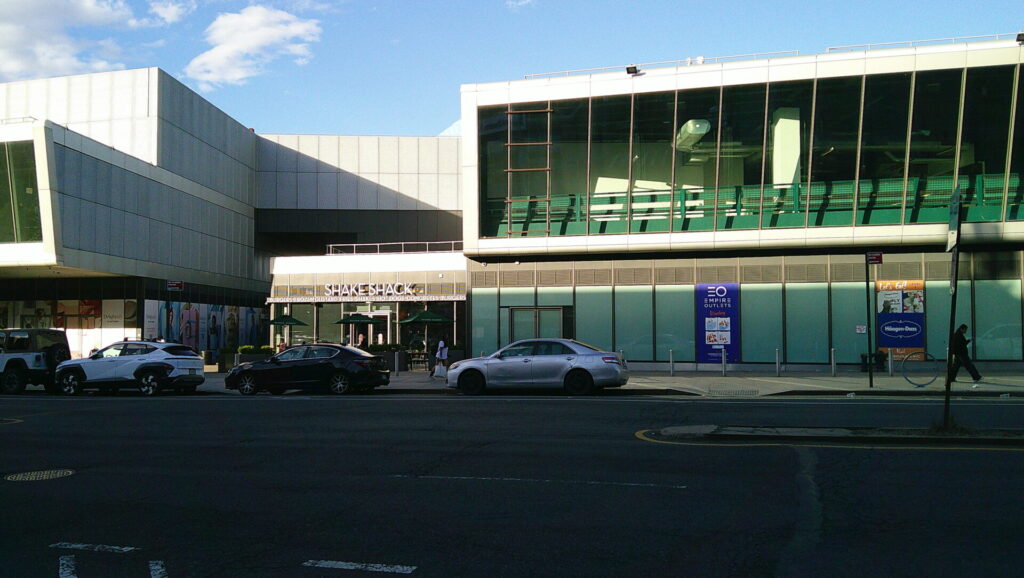
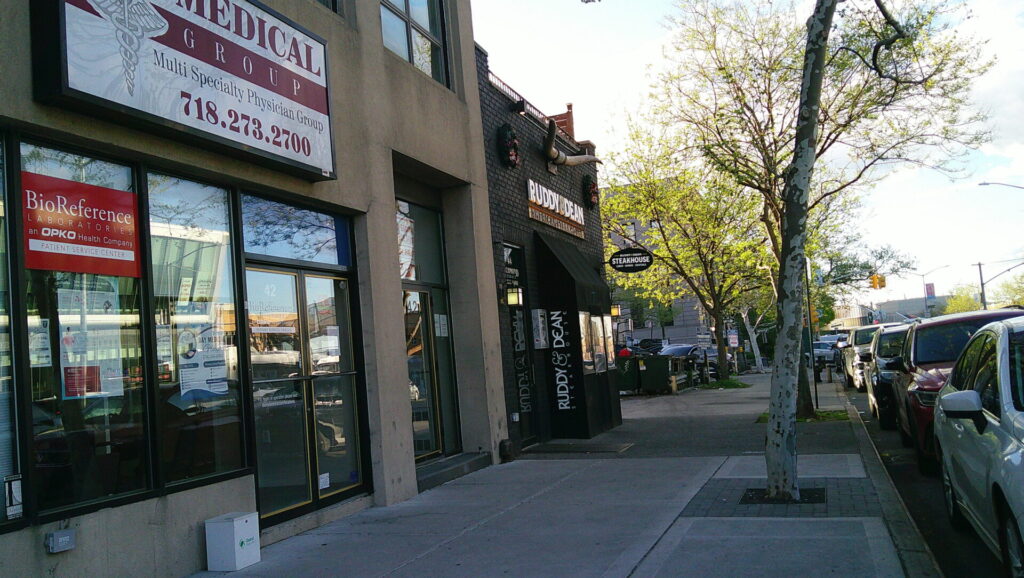
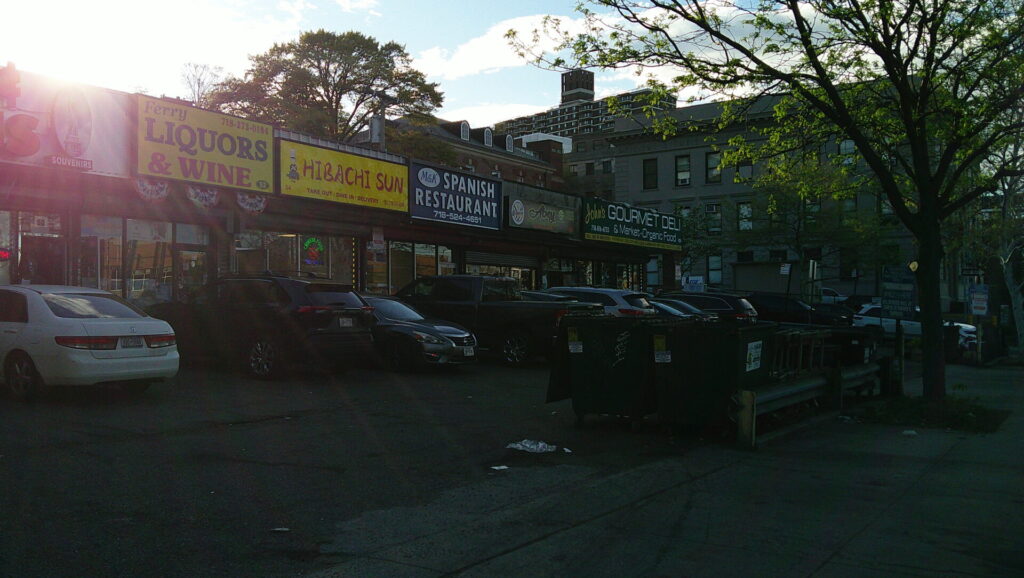
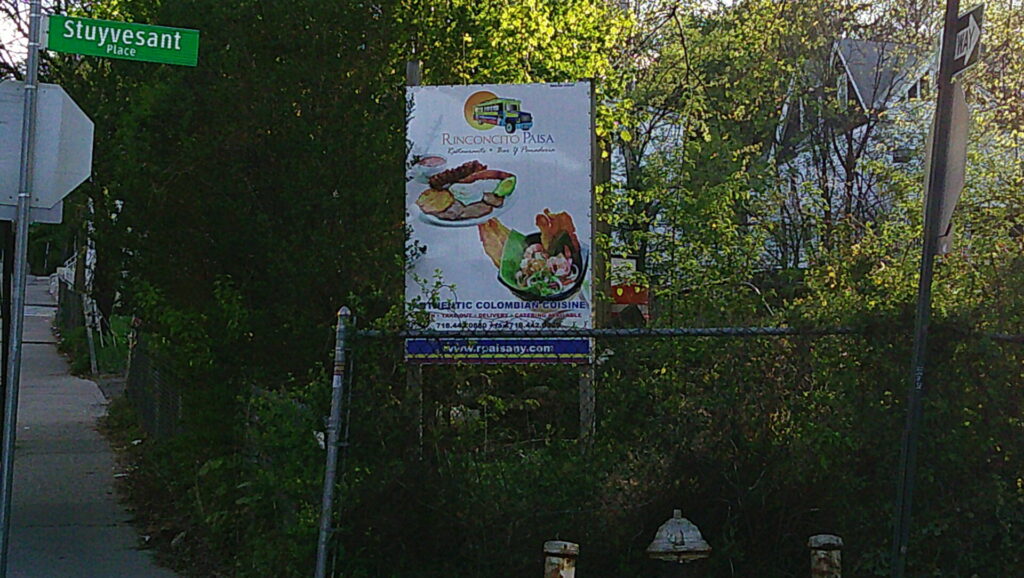
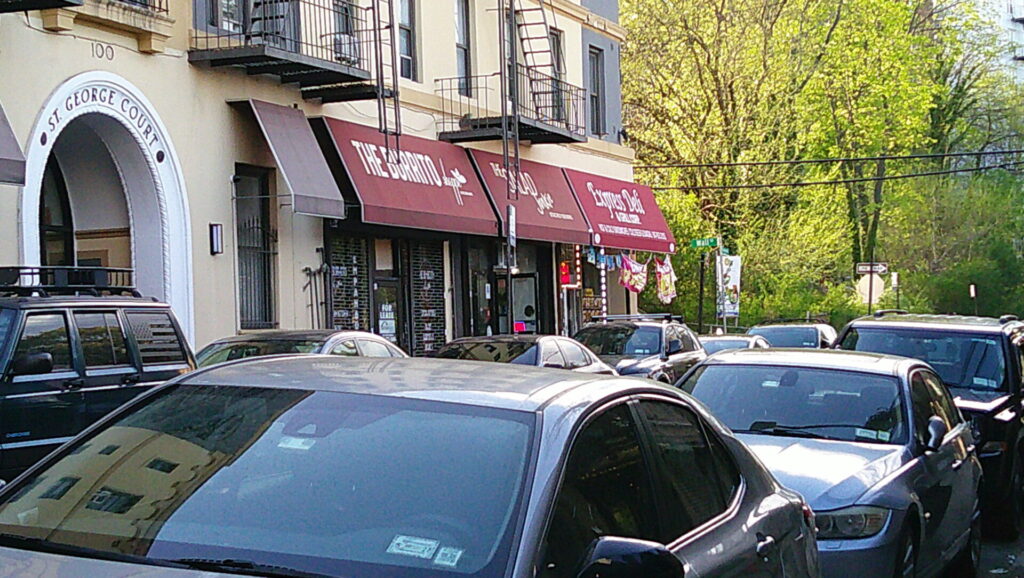
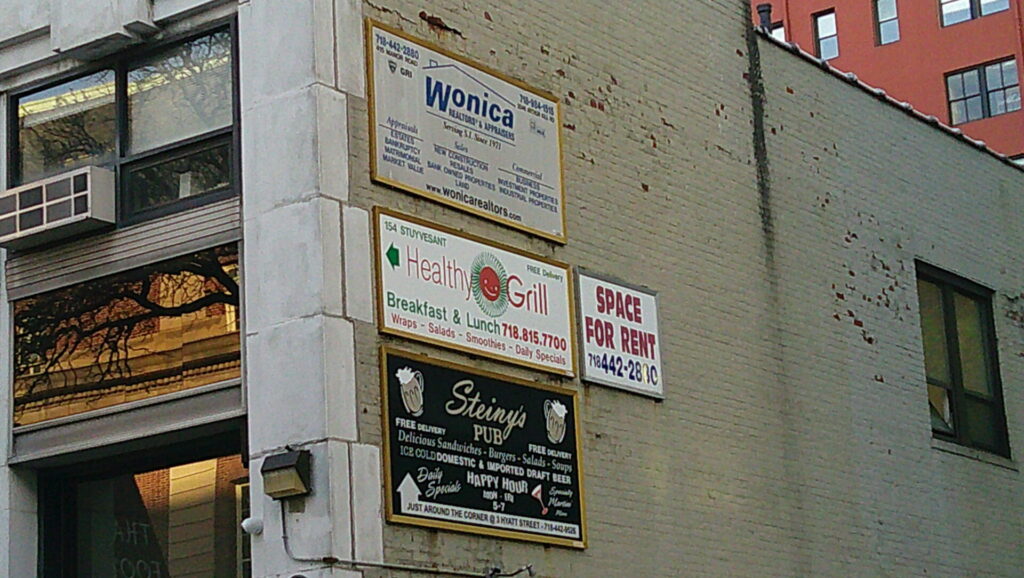
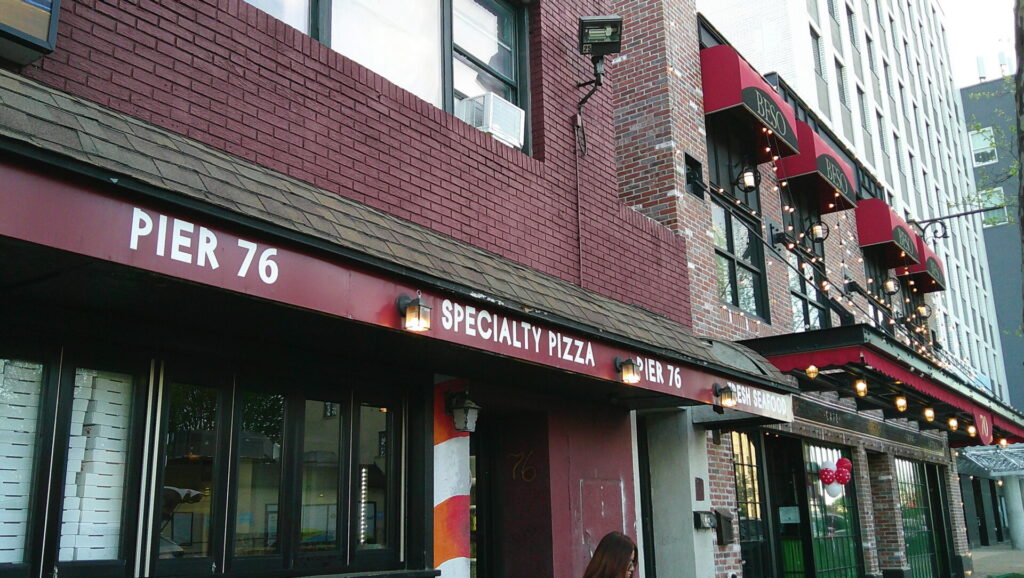
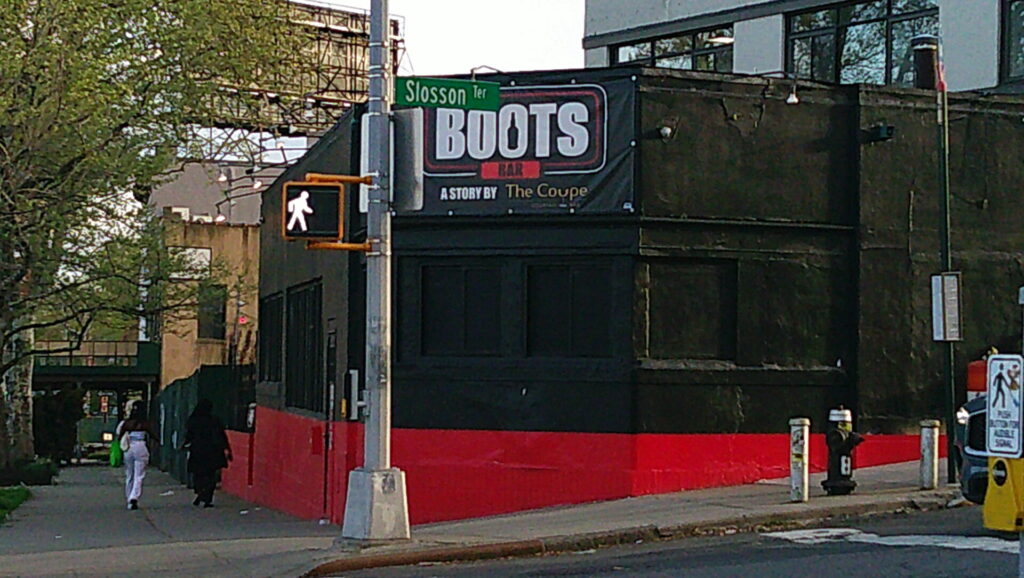
The foodscape surrounding the St. George train stop reflects its role as a major transportation hub and point of constant movement. The moment you get off the train stop, you are already inside the ferry terminal. The number of food establishments and the types of food establishments are heavily influenced by commuter traffic from the Staten Island Ferry, the bus platforms, and the railroad. These businesses prioritize speed, convenience, and relatively low prices, which align with the needs of commuters who are eating on the go instead of sitting down for an entrée. However, once you’re out of the terminal and in the neighborhood within a 5–10 minute walking radius from the train stop, we are able to see some more culture. A clear pattern in the neighborhood is the clustering of chain establishments near the ferry terminal and main streets like Richmond Terrace and Bay Street. Food chains like Starbucks, Dunkin, and Subway succeed because they are highly visible and consistently meet customer expectations, appealing to commuters, native Staten Islanders, and tourists. At the same time, independent restaurants are slightly more scattered among the streets, where rents may be lower and there is less pressure to compete directly with these popular food franchises. These independent food spots usually offer Mexican, Thai, Turkish, Caribbean and African cuisine, reflecting the broader diversity of Staten Island and the active presence of immigrant communities. Another pattern is the relatively small number of full-service restaurants compared to quick-service establishments. This shows that St. George is a fast-paced, transit-oriented space. Food retail options like delis and bodegas are present and heavy and serve local workers and residents. When it comes to super markets and food retail, the numbers are very limited, indicating that the immediate area is less residential and more commercial. Overall, the neighborhood’s foodscape is organized around accessibility, convenience, and flow of people, demonstrating how urban food environments are directly shaped by transportation infrastructure and daily mobility patterns.


Leave a Reply
You must be logged in to post a comment.