Category: Posts

  • Super Bowl SNACK Prices

    https://www.usatoday.com/story/sports/nfl/2026/02/08/super-bowl-60-food/88575220007

    This article provides a menu and prices of the Super Bowl 2026 Concessions. It portrays how the food prices have gone up throughout the years , especially at large public events. Traditional stadium items are at a higher price than other places like your neighborhood bodega, which shows inflation and higher operating costs. Global flavors have become mainstream in America which we can see in the Super Bowl menu items such as bulgogi cheesesteak , spicy pork noodles and Chinatown dog. We also see how luxury prices have been normalized in areas meant for large audiences , for example the $180 LX Burger.

    Q: Does extreme food price differences at sporting events an example of inclusive choice or economic inequality being normalized in food culture?
  • Sysco (Food Distributor)

    @moreperfectunion

    Are restaurants starting to taste the same? Food distributor Sysco has been on a relentless acquisition spree, becoming one of the largest companies in food service. This consolidation means higher prices for mass-produced food made under grueling conditions. #workersrights #corporategreed

    ♬ original sound – More Perfect Union

    This TikTok does a good job at explaining Sysco and its impact on local restaurants. The most interesting part is the local restaurateur being interviewed and how she uses local farms and people to make her dishes. This video highlights how “farm-to-table” and other labels can sometimes be misleading.

    Question: How does the monopoly Sysco has on food distribution affect small/local distribution/restaurants? How can we counteract their impact?

  • US vs UK McDonald’s 2020 vs 2024 | Food Wars | Insider Food

    The YouTube video above compares the aspects of a McDonalds in the US to a McDonalds in the UK and how they changed from the years 2020 to 2024. The comparisons range from what food choices are there, what they are made of and how much prices have increased over the years.

    Question: What can the comparisons made between the US and UK as well as other countries, tell us about the health and food regulations that we have here in the US?

  • How do the values ​​and norms you learn from your parents relate to this society, where hatred, discrimination, and mistreatment go hand in hand with historical  knowledge?


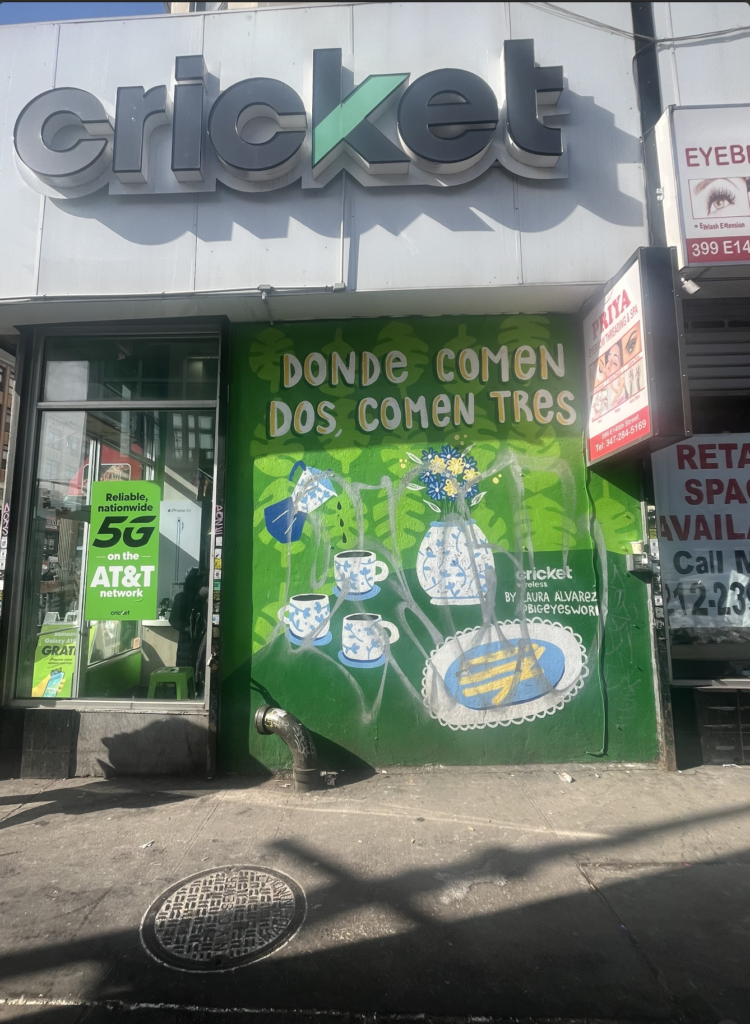
    While I was walking to catch trains 2 and 5, located on Third Avenue in the south Bronx, I saw a mural created by Laura Alvarez with the saying “DONDE COMEN DOS, COMEN TRES” translated to English as “where two eat, three can eat to.”  It matters sociology because it shows the “social structure” of “giving in the comunity”. Doing some research to find the author  quote is Anonymous. 

    I found articles from Dominican Writing by Carolina Abreu that use the quote and show It describes a “social structure” of personal relationships where the children prepared the house by cleaning and helping their mother in the kitchen, and the children would steal fried plantains like pay to help clean. It also describes how their mother “cooked to feed the neighborhood” and how they set the tables for twelve people, but more always joined, sometimes up to “eighteen”. It also describes how their mother never refused to provide them with food at home, because, as the saying goes,  “where two eat, three can eat to.”  If the mother had enough food at home, she also had friends and family to eat at her table; this is linked to the culture, norms, and values ​​that many people hold.Food and Society (SOC 325

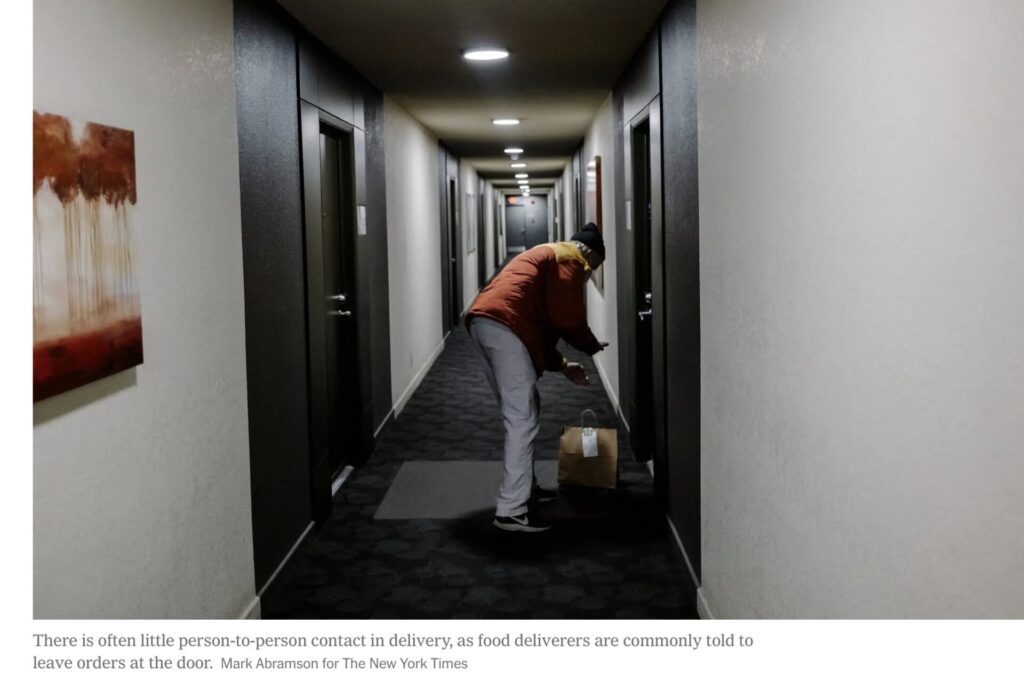
  • Freedom With a Side of Guilt: How Food Delivery is Reshaping Mealtime

    Screenshot

    Freedom With a Side of Guilt: How Food Delivery Is Reshaping Mealtime

    This is a fascinating article that discusses the delivery app service from multiple stakeholders’ viewpoints and its effect on how we think ( or don’t think ) about how we get our daily food.
    How does this article relate to what Minkoff-Zern & Mares say about the ‘essential workers’?

  • History of the NY Slice

    This article breaks down the history of how the classic NY slice came to be. It began with Italian immigrants in the late 19th and early 20th centuries. They brought over their Neapolitan-style pizzas, which were much smaller and had a different dough. But this was not sustainable with the ingredients available here in the city at the time, and further, the demand for a cheaper, quicker “slice” began. Lombardi’s, in Little Italy, began this trend and used a coal oven for its pizzas. The result was a thinner, crispier slice. Later, the invention of gas ovens furthered this trend, and here began the crispy, foldable slice we now associate with NY pizza. The affordability and portability of this slice, meant to be eaten by hand while commuting rather than with a fork like Neapolitan pizza, were revolutionary and appealed to busy NYers.

    Question: What other forces (cultural, economic, and political) played a role in other classic New York foods, for example, the bacon egg and cheese or pastrami sandwiches?

  • Food in Italy vs. America: Why Eating Abroad Feels Better

    This video highlights food in Italy and America and explains why Americans often report feeling better after eating abroad. It explores differences in food quality, ingredients, and processing methods in the United States. Overall, demonstrates that using simpler, more natural substances may significantly affect how people feel.

    Question: Do you think America could change its food system to be more like Italy’s?

  • Women and segregation in restaurants

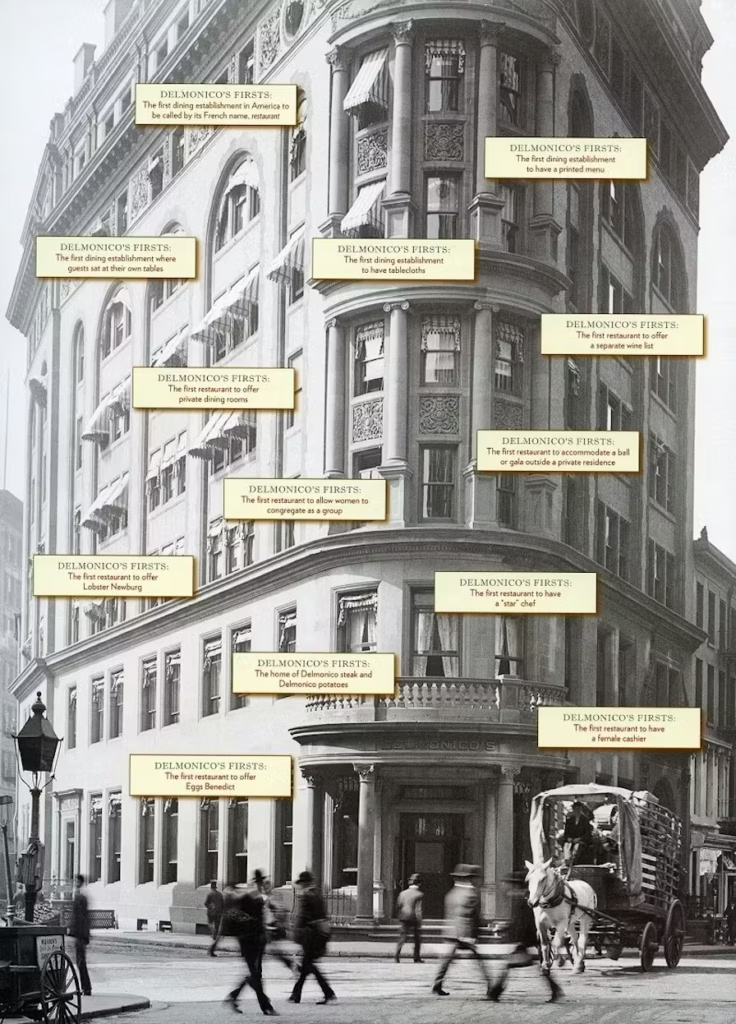
    https://www.atlasobscura.com/articles/delmonicos-womens-lunch

    Delmonico’s was the first restaurant to introduce fine-dining to NYC, but it was also a place where women made a political statement. At that time, women weren’t allowed in these establishments without an accompanying male or without the assumption of them being prostitutes. Delmonico’s allowed women to come and dine during lunch.

    Question- How has the importance of fine-dining restaurants impacted NYC ?

  • Sandy Ground: The Forgotten Black Oystermen

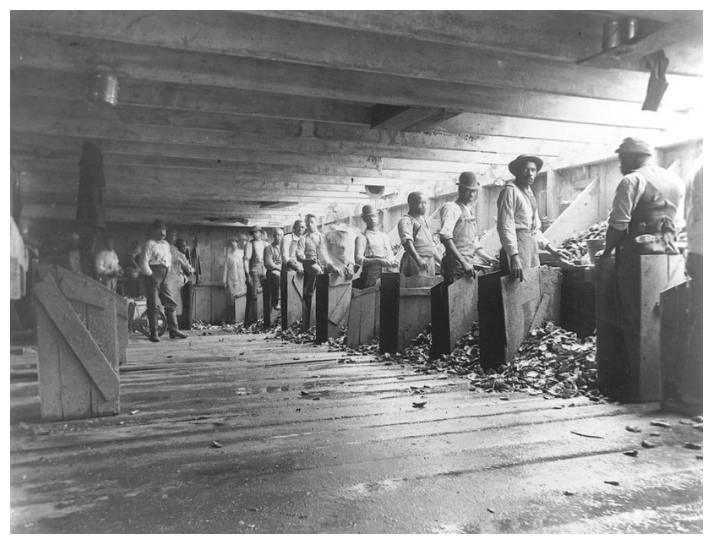
    Sandy Ground represents a critical historical era in the New York City food system where Black communities leveraged the oyster industry to achieve economic autonomy and land ownership. By migrating from restrictive political environments in Maryland to the rich oyster beds of Staten Island, these watermen transformed “sandy ground” into a self-sustaining hub of Black intellectual and social life. This history highlights how food-based labor can serve as both a tool for resistance and a foundation for self-determination within a community.

    Question: How did racialized labor in the oyster industry shape access to land, autonomy, and community formation for Black workers in early New York City, and what does this reveal about the relationship between food work and social mobility?

  • Tutorial Post 1: Youtube or TikTok

    Videos from the YouTube or TikTok platforms work best with WordPress (the software this site is made with). When adding a YouTube or TikTok video to your post, remember to include a title (posts without titles cannot be viewed, commented on, or graded), and make sure the post begins with the video embedded at the top. To embed the video, first confirm that you are logged in to CUNY Academic Commons, then click the ➕ Add block, select Embed, paste the YouTube/TikTok link, and click Embeddo not paste the link as plain text. For longer videos, include a timecode (00:00) directing us to the relevant section. After the video, write one short paragraph explaining what the video shows and why it is sociologically important, and end with one critical sociological question to invite discussion. Before publishing, make sure you select the relevant section tags (Access, Cooking, etc.) and click Publish.

  • Tutorial Post 2: News, Articles, or Other Media Links

    ICE Took Half Their Work Force. What Do They Do Now?

    Journalism, essays, academic articles, and other web-based media (including videos from sites that don’t support embedding on WordPress like Facebook/Instagram) are also appropriate for posts. When using an article or media link, make sure your post includes a title (posts without titles cannot be viewed, commented on, or graded), and that the post begins with a visual—such as a featured image from the article, a relevant photo, or an embedded media element. To add a visual, click ➕ Add block and select Image, then upload an image or insert one using a URL.

    Directly below the image, include a link to your source. Do not paste long URLs as plain text, as they can break the site layout, especially on mobile. Instead, write or paste the article title, highlight the text, and use the link icon in the editor (🔗) to create a clickable link. After the visual, write one short paragraph explaining what the article or media is about and why it matters sociologically, and end with one critical sociological question to invite discussion. Before publishing, select the relevant section tags and click Publish.

  • Tutorial Post 3: Documentary Photos and Screenshots (What You See in the Streets or Online)

    For your weekly posts, you may want to document parts of the food system you observe yourself—on the street, in stores, in restaurants, at markets, while moving through the city, or things you encounter online in everyday life (apps, ads, menus, delivery platforms, Google Street View imagery, social media interfaces, etc.). Your post must include a title (posts without titles cannot be viewed, commented on, or graded), and must begin with an image at the very top of the post. This image should be a photo you took yourself or a screenshot you captured. To add the image, click ➕ Add block, select Image, and upload the photo or insert it using a URL. If the image connects to an online source (for example, a website or platform), include a short clickable link below the image using linked text rather than pasting a long URL.

    After the image, write one short paragraph describing what you observed and why it matters sociologically. Be sure to clearly communicate the context of the image—where it was taken, what is happening, and what drew your attention to it. When documenting people or workplaces, follow basic privacy and ethical best practices: avoid identifying individuals by name, faces, do not photograph people in vulnerable situations, and focus on spaces, practices, signs, interfaces, or patterns rather than individuals whenever possible.

    End with one critical sociological question that invites discussion. Before publishing, select the relevant section tags and click Publish.